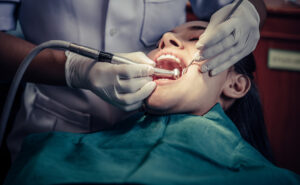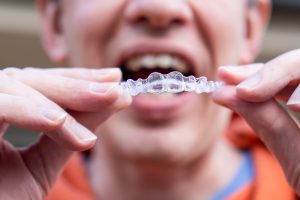
Cracked teeth can cause pain, sensitivity or discomfort, although symptoms vary between patients. A dentist can assess the location and extent of the crack, the condition of the dental pulp and the amount of remaining tooth structure before discussing whether monitoring or treatment is appropriate. This article explains common causes and symptoms of cracked teeth and how treatment options may vary according to the clinical findings.
Causes of cracked teeth
1. Teeth grinding and clenching
Grinding and clenching can place repeated forces on the teeth and may contribute to tooth wear, chipping or fractures in some patients. If bruxism is suspected, a dentist can assess the teeth, bite and jaw symptoms and discuss whether a splint or another management approach may be appropriate.

2. Eating hard foods
Biting hard objects such as ice can place concentrated forces on teeth and may contribute to fractures, particularly where a tooth is already weakened.
3. Poor oral hygiene
Plaque accumulation can contribute to tooth decay and gum inflammation. Where decay removes enough tooth structure, the affected tooth may become more susceptible to fracture. Routine oral care generally includes brushing twice daily with fluoride toothpaste and cleaning between the teeth.
4. Chewing on pencils
Using teeth to chew hard non-food objects such as pencils may place additional forces on the teeth and should be avoided.
5. Teeth whitening treatments
The claim that whitening weakens enamel and makes teeth prone to cracking is too broad and potentially misleading. Remove the external link as well.
6. Trauma
Dental trauma from a fall, sporting injury or blow to the mouth can cause chips, cracks, fractures or other injuries to teeth. The urgency of assessment depends on the type of injury and symptoms present.
7. Changes to Teeth Over Time
Teeth can accumulate wear, restorations and structural changes over time. These factors, together with bite forces and previous dental treatment, may influence susceptibility to fracture.
Types of tooth cracks
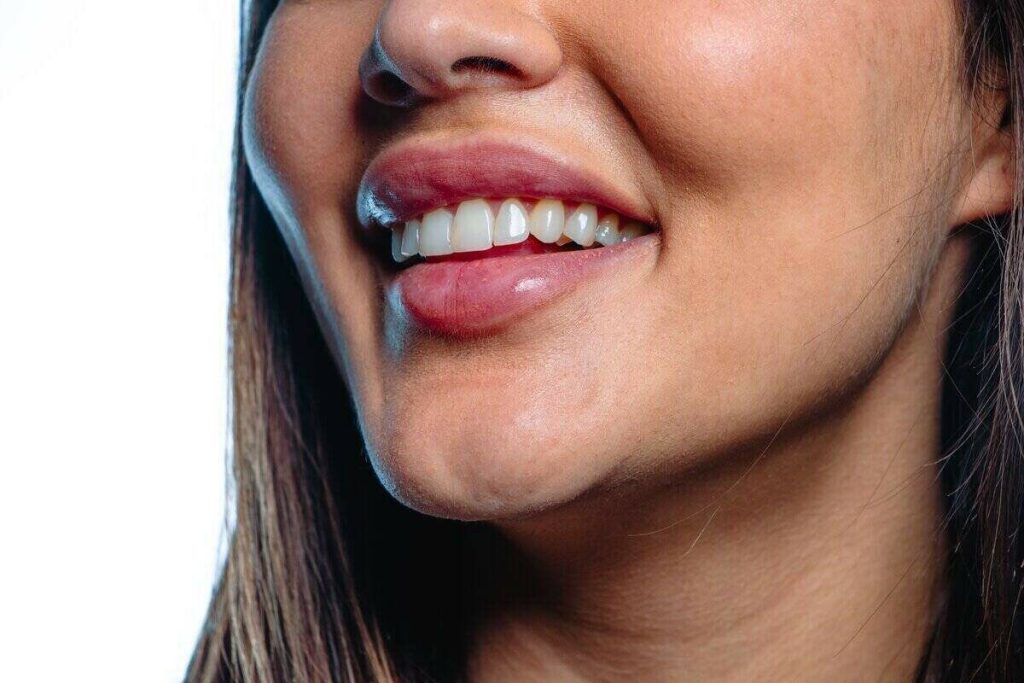
Craze lines
Craze lines are superficial lines affecting enamel and often do not cause symptoms. A dentist can assess whether a visible line is limited to enamel or represents a deeper structural crack. Treatment is not automatically required.
Fractured cusp
A fractured cusp involves loss or cracking of part of the chewing surface of a tooth. Symptoms vary, and management depends on the amount of remaining tooth structure, pulp condition and extent of the fracture.
Split tooth
A split tooth involves a crack that separates portions of the tooth. Whether any part of the tooth can be retained depends on the location and extent of the split and the surrounding tooth structure.
Vertical root fracture
A vertical root fracture is a fracture involving the root of a tooth. These fractures can sometimes be difficult to identify and may require a combination of clinical examination and dental imaging. Management depends on the tooth involved and the extent of the fracture.
Cracked tooth symptoms
Pain or discomfort
A cracked tooth may cause pain or discomfort during biting or chewing. Symptoms vary according to the location and extent of the crack and can also occur for other dental reasons.
Sensitivity
Some cracked teeth may be sensitive to hot or cold temperatures. Temperature sensitivity can also have other causes, so this symptom alone does not confirm a crack.
Swelling
Swelling near a tooth can have several causes, including infection or inflammation, and should be assessed if it persists, worsens or occurs with other concerning symptoms.
Difficulty chewing
Difficulty chewing may occur with a cracked tooth but can also have other dental or jaw-related causes. Persistent symptoms can be assessed by a dentist.
Visible damage
Some cracks are visible during examination, while others can be difficult to identify. Dental assessment may involve visual examination, magnification, transillumination, bite testing and imaging where appropriate.
What will the dentist do for cracked tooth treatment?
Management of a cracked tooth depends on the location and extent of the fracture, pulp condition, remaining tooth structure and other clinical findings. Not every type of crack can be managed in the same way.
Root canal treatment
If the dental pulp is irreversibly inflamed or infected and the tooth is otherwise suitable for treatment, root canal treatment may be considered. Further restorative treatment depends on the amount and condition of the remaining tooth structure.
Dental bonding/ Dental filling
For selected minor fractures or areas of damaged tooth structure, dental bonding or a dental filling may be considered depending on the clinical findings.
Dental crowns
A dental crown may be considered where the crack pattern and remaining tooth structure are suitable for a full-coverage restoration.
Dental veneers
Dental veneers may be considered for selected front-tooth concerns where the crack pattern and remaining tooth structure are suitable. Veneers are not appropriate for every cracked tooth.
Tooth extraction
Tooth extraction may be considered where a cracked tooth cannot be predictably restored. Tooth replacement is a separate decision and may involve an implant, bridge, denture or leaving the space unrestored depending on the individual clinical circumstances.
The appropriate management approach depends on the specific type of crack and the findings from the dental assessment.
Arrange an Assessment for a Cracked Tooth
Treatment options depend on the type and extent of the crack, symptoms, pulp condition and remaining tooth structure. If you have persistent pain when biting, sensitivity, swelling or a visibly damaged tooth, schedule an appointment for a dental assessment.