Dental Implant Clinic in Melbourne & Bundoora
Damaged or missing teeth? Dental implants may be one replacement option.
(The eligibility will depend on your individual needs and circumstances)
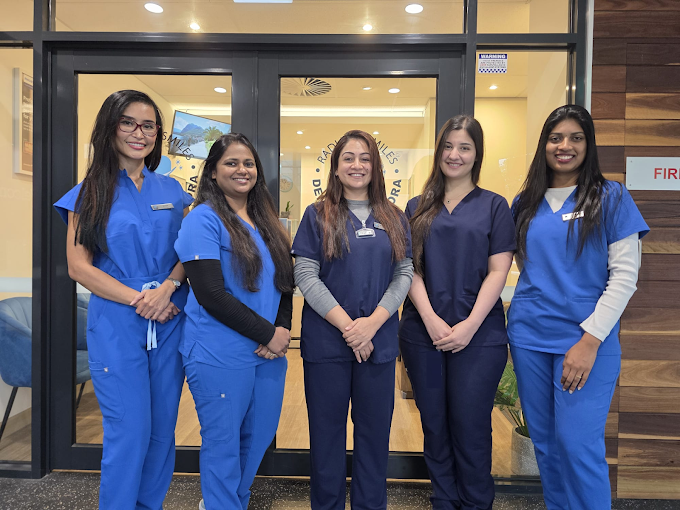
Dr. Chandni Passi is a warm, caring dentist with over 12 years of experience. Dr Chandni earned her Bachelor’s in Dental Surgery in 2010 and her Master’s in Oral and maxillofacial Surgery in 2015. Both the degree were completed in India. In 2019 she completed her ADC exams and became a licensed dental practitioner in Australia.
Dr Passi has undertaken additional training in dental implant treatment through courses in Australia and internationally.
Dr. Passi provide high-quality, patient-centered care in a warm, caring, and comfortable environment. She takes the time to understand each patient’s unique needs and goals, ensuring that they feel informed and supported throughout their dental journey.
Dr Chandni Passi, Principal Dentist
“Book your complimentary dental implant consultation to discuss your options and whether dental implants may be suitable for you.”
Dental implants are one option for replacing missing teeth. Unlike some other tooth replacement options, an implant can support a restoration without relying on adjacent teeth for support.
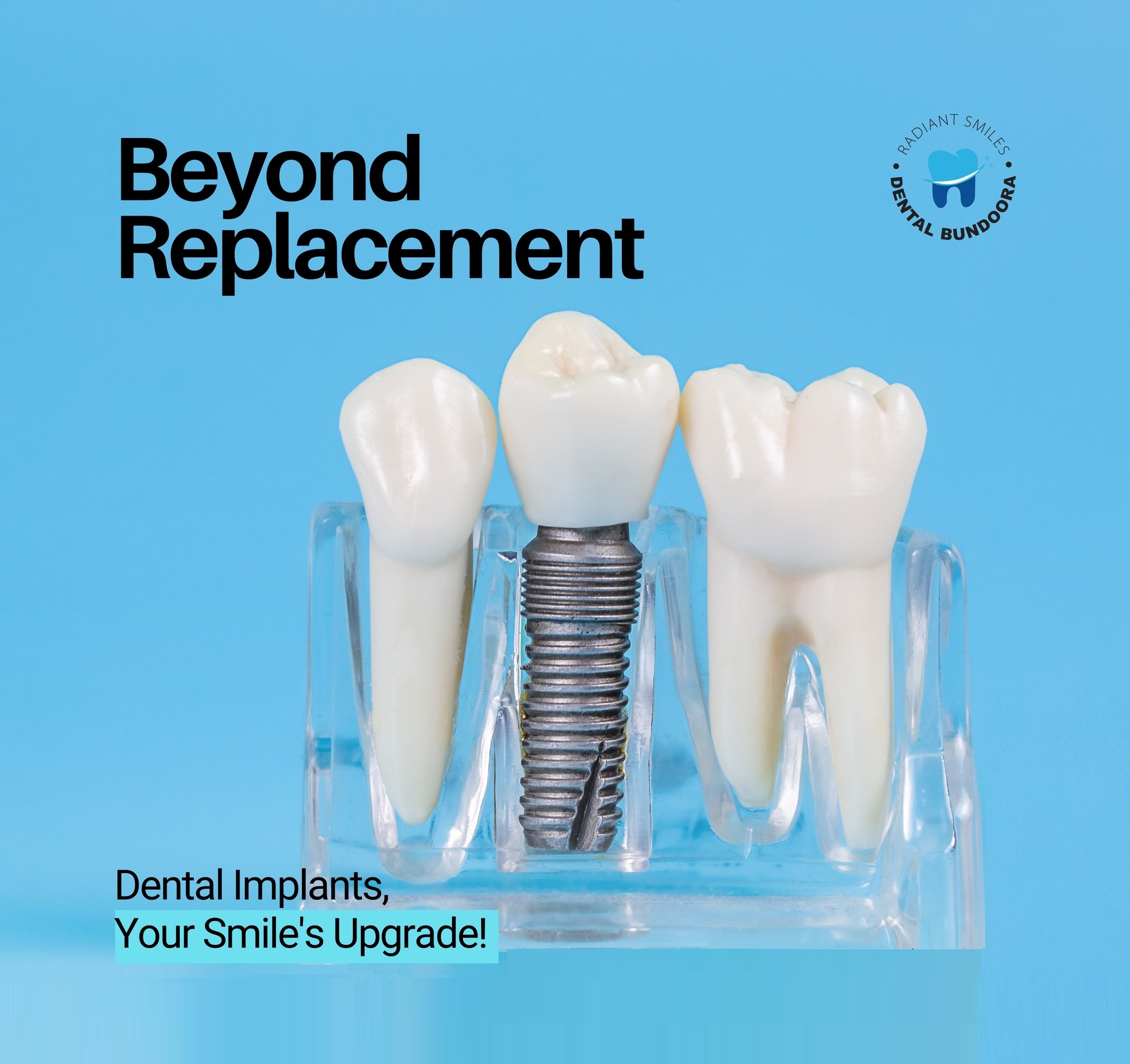
A dental implant is a small titanium fixture placed into the jawbone. During healing, the surrounding bone can integrate with the implant surface through a process known as osseointegration. A dental restoration can then be attached to the implant.
Each dental implant procedure requires careful planning. Suitability depends on factors such as oral health, available bone, medical history and the location of the missing tooth or teeth. Your dentist can discuss implants alongside other appropriate tooth replacement options.
Here are some key points about implants:
Dental implants are artificial tooth roots made of titanium that are surgically placed into the Jawbone. They provide a strong foundation for fixed or removable replacement teeth designed to match your natural teeth.
Dental implants integrate with the surrounding jawbone through a process called osseointegration. Once sufficient healing has occurred, the implant can support a dental restoration such as a crown, bridge or implant-supported denture.
For successful dental implants, strong and healthy bone is crucial for support. Factors like sinus structure, age, smoking history, diet, and overall health influence candidacy. A thorough medical screening helps identify potential risks. Weak bone density, possibly due to factors like smoking or tooth loss, might require a bone graft. A CBCT scan assesses oral anatomy and bone density to ensure safe implant placement.
During assessment, we tailor implant options to your needs. Every case is unique, requiring individualized treatment. If your case is complex, we may refer you to a specialist for implant placement.
The lifespan of a dental implant varies between patients. Factors such as oral hygiene, gum health, smoking, general health, bite forces and ongoing dental care can influence longevity. The crown or other restoration attached to the implant may also require maintenance or replacement over time.
Dental implant placement is commonly performed using local anaesthetic. Some discomfort, swelling or tenderness can occur after the procedure, and recovery varies between patients. Your dentist will provide after-care instructions and discuss what to expect based on your individual treatment.
The entire process can take couple of months which includes initial consultation the surgical plate placement of the implant and a healing period of 3 to 6 months for the implant to fuse with the bone. Afterwards the custom made crown is placed.
Dental implant outcomes vary between patients. Factors including general health, smoking, oral hygiene, available bone, implant location, healing and ongoing maintenance can influence the outcome of treatment.
Yes. Dental implants can fail to integrate or may develop complications after placement. Factors can include infection, insufficient bone, smoking, certain health conditions and inadequate oral hygiene. Your dentist will discuss relevant risks as part of the assessment and consent process.
Some insurance plans may partially cover the cost of dental implants but this varies by plan. It’s recommended to check with your insurance provider or speak to your dentist about financing options.
Dental implants may be used to support certain full or partial dentures. Whether this is appropriate depends on factors such as available bone, oral health, medical history and the type of denture required.
Implant-supported restorations are designed to replace missing teeth and support functions such as biting and chewing. Their appearance and feel vary according to the restoration, implant position, surrounding teeth and individual oral anatomy.
After the initial implant surgery you’ll need to eat soft foods for a short while. Once fully healed it’s best to avoid eating on that side with the implant. However once the crown is placed you can enjoy your favourite foods as usual.
Read more: All-on-4 vs. All-on-6 Dental Implants
DENTAL IMPLANTS FROM ONLY $35 PER WEEK
Missing or severely damaged teeth can affect biting and chewing and, depending on their location, may also affect speech. Tooth loss can also lead to changes in the surrounding bone and neighbouring teeth over time.
At Radiant Smiles Dental Bundoora, dental implants may be considered for replacing one or more missing teeth. Treatment suitability depends on your oral health, available bone, medical history and individual treatment needs.
If you’re in Bundoora, Greensborough, Watsonia, Macleod, Mill Park, Reservoir, Thomastown, Eltham, Lalor, Rosanna, or surrounding areas, our team is here to help. Book a complimentary consultation at our Bundoora Dental Clinic to discuss your tooth replacement options and whether dental implant treatment may be suitable for you.
All-on-4 is a dental implant approach used to replace a full arch of missing teeth using four implants to support a prosthesis. It may be considered for some patients with extensive tooth loss, depending on their oral health, available bone and individual treatment requirements.
All-on-6 is a dental implant technique similar to All-on-4 but involves the placement of six implants to support a full set of artificial teeth. This method provides additional support and stability, making it an excellent choice for patients with good bone density or those seeking extra security and longevity from their implants.


Support
Copyright © 2025 Radiant Smiles Dental Bundoora, All rights reserved. Dental marketing by Practice Boost