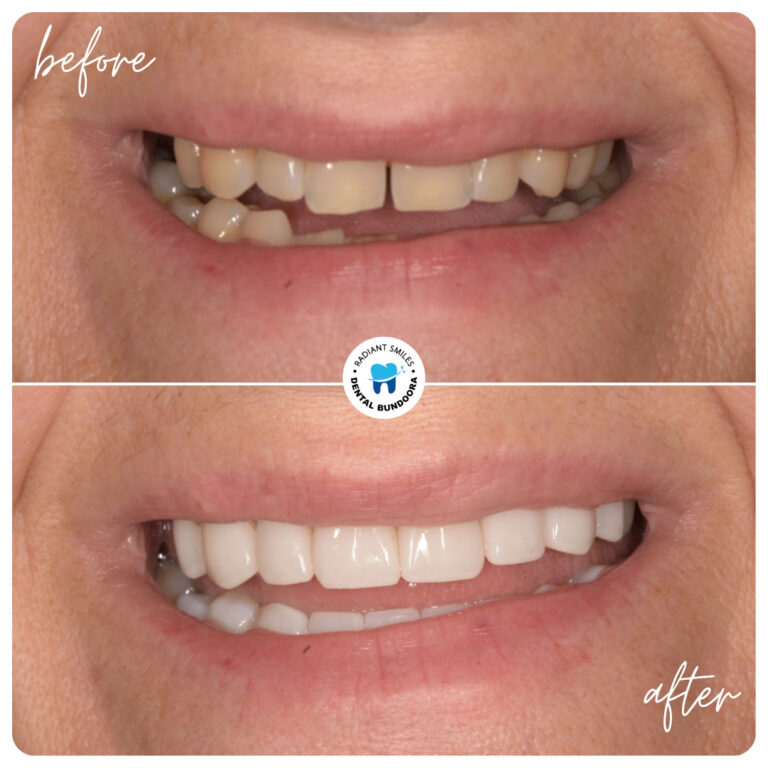
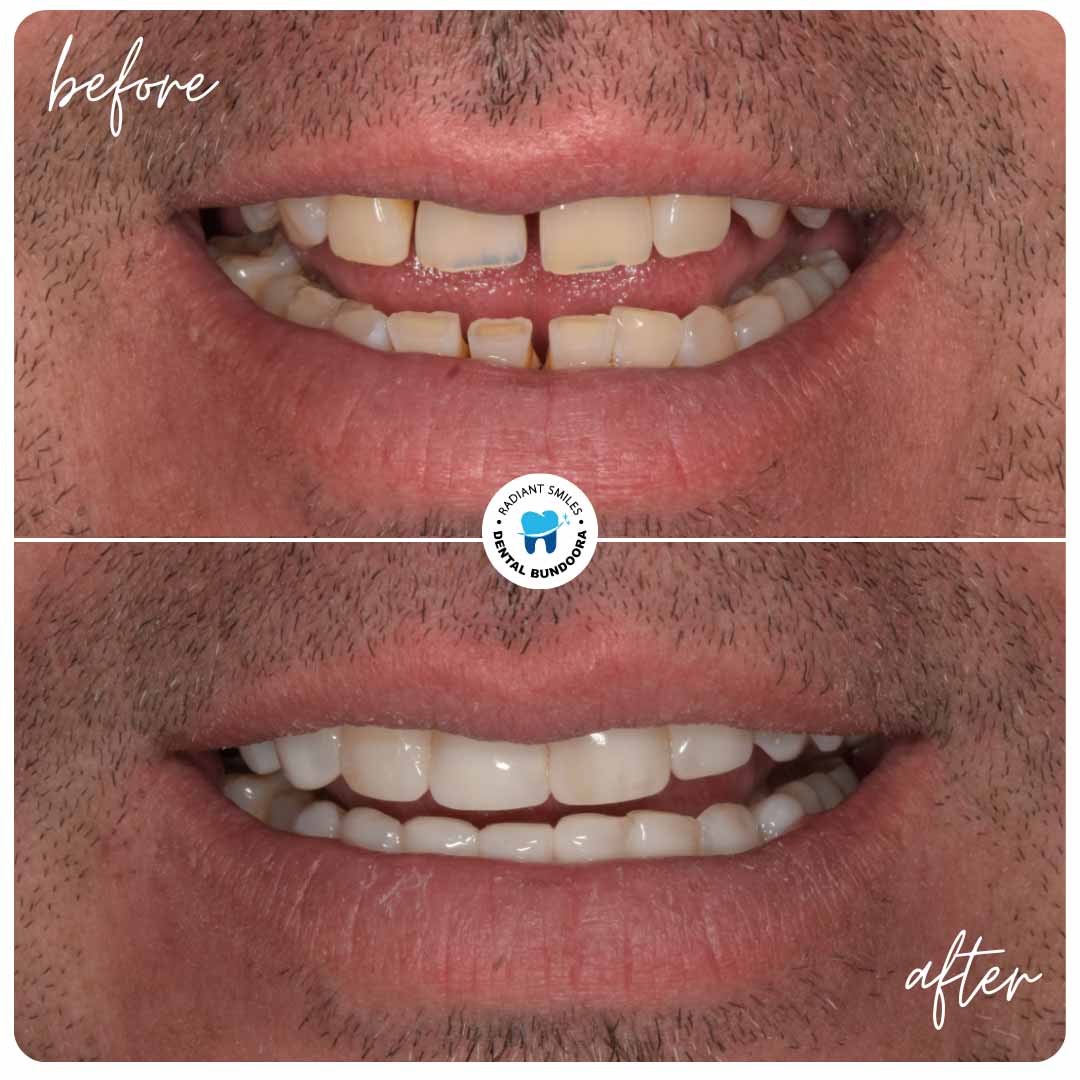
Dental Veneers in Melbourne & Bundoora
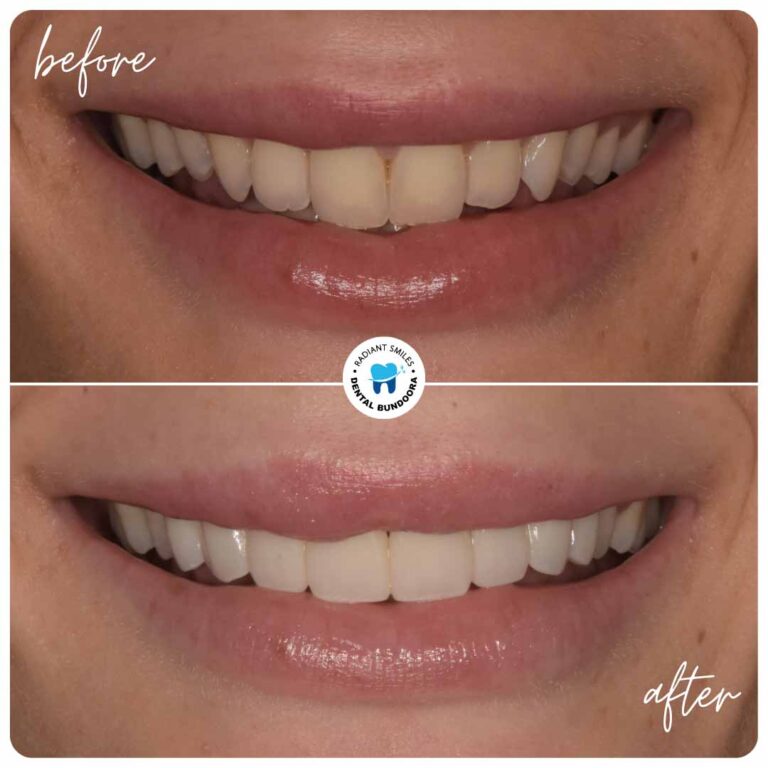
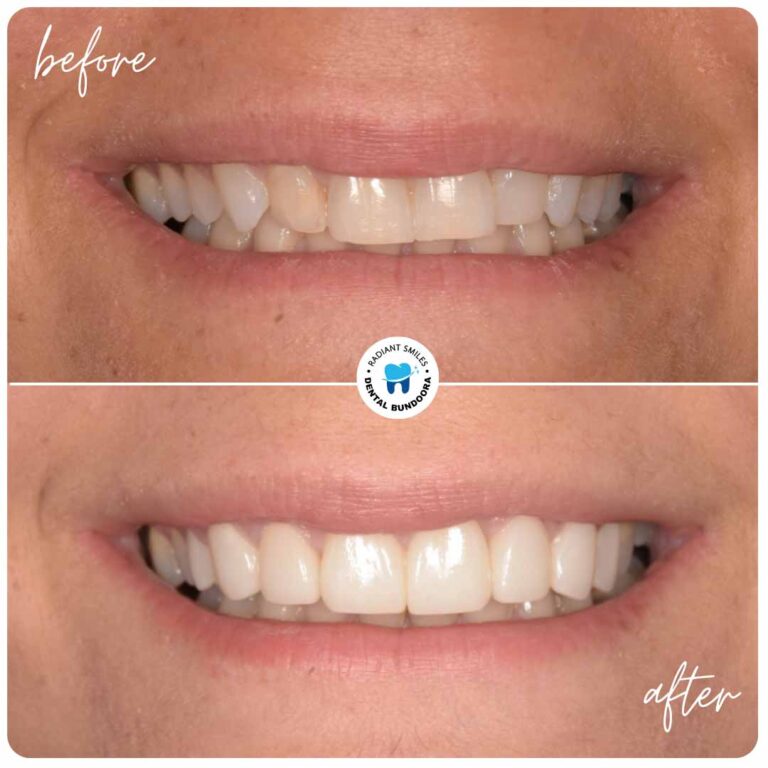
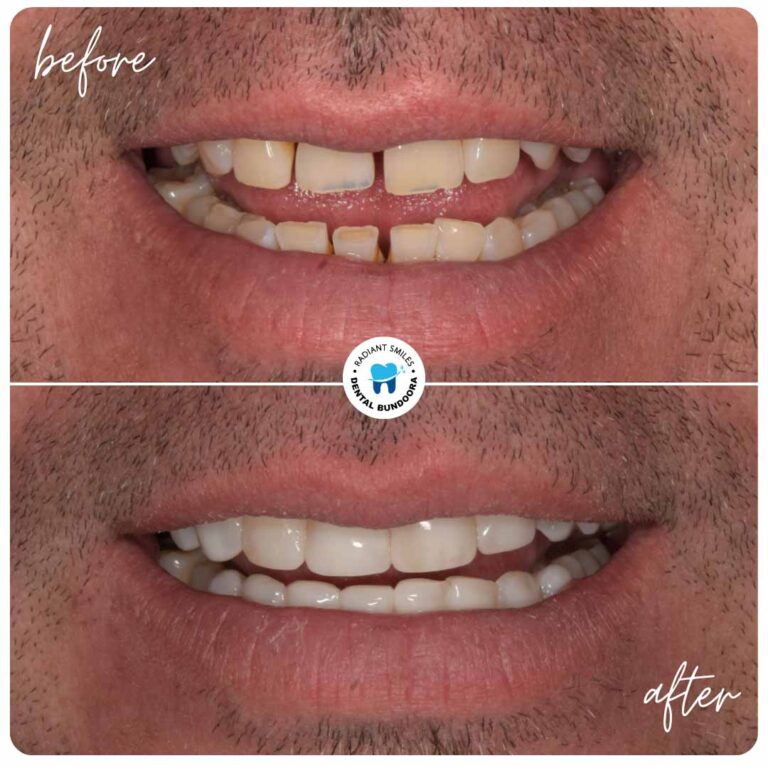
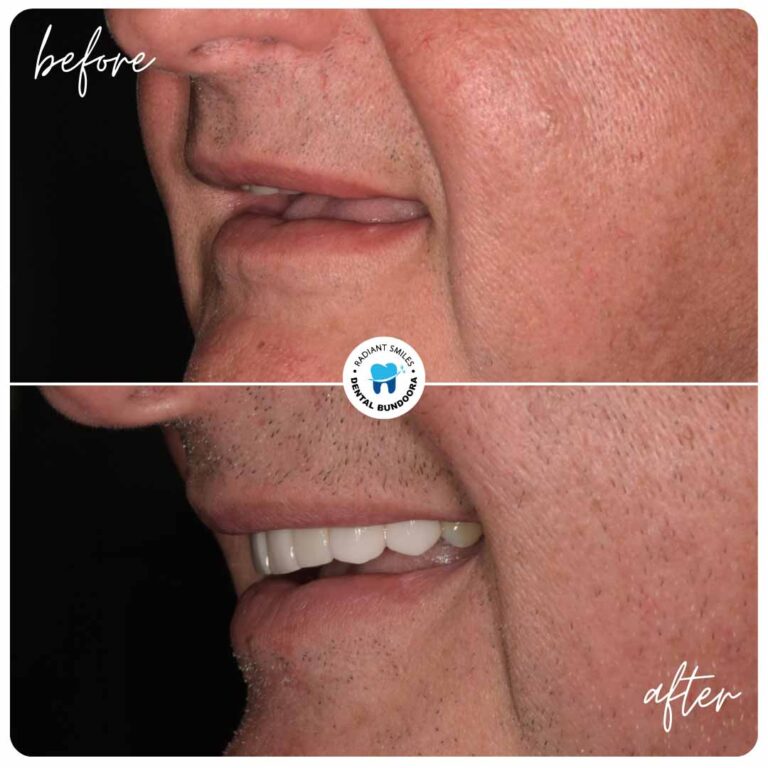
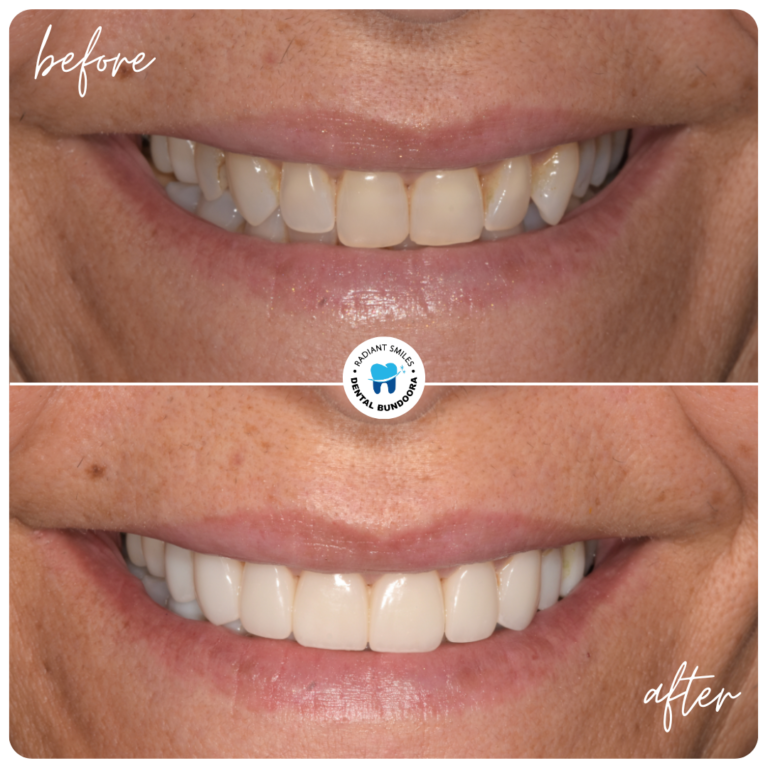
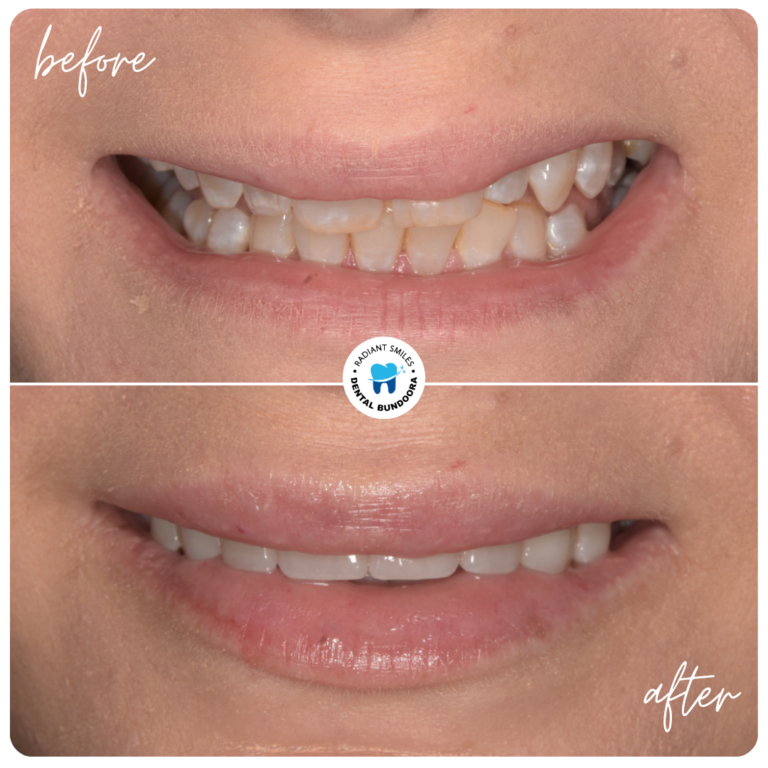
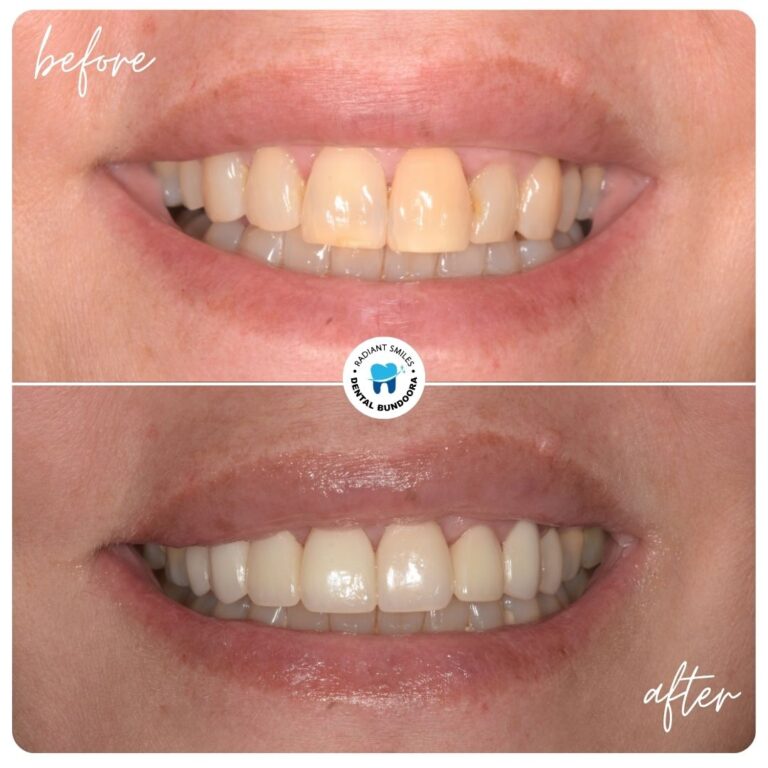
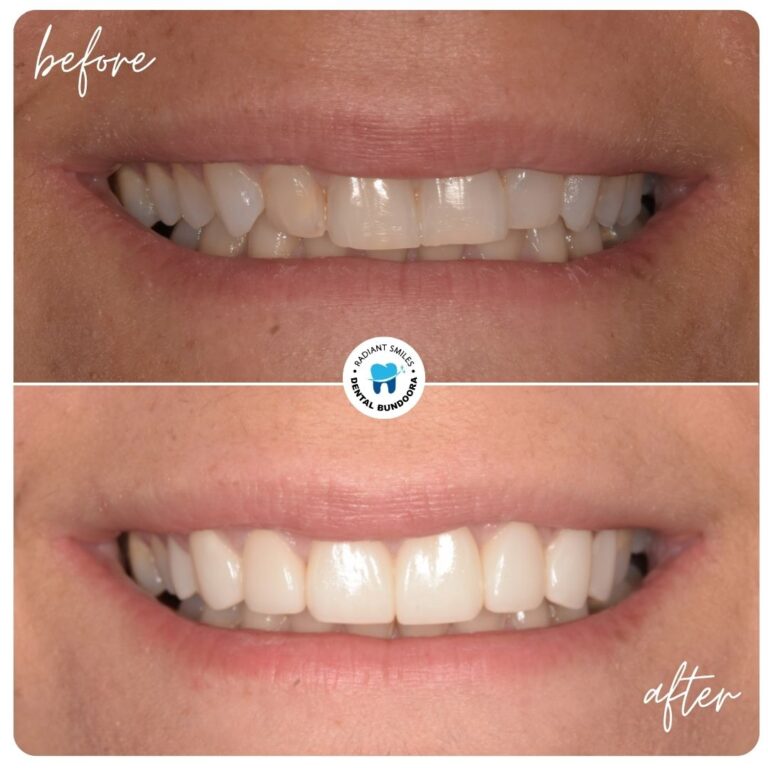
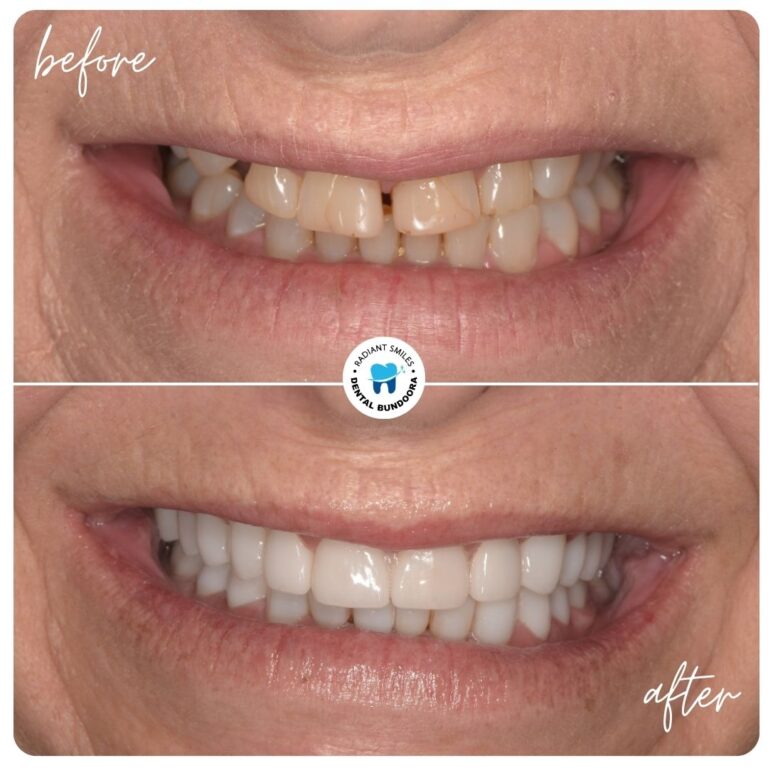
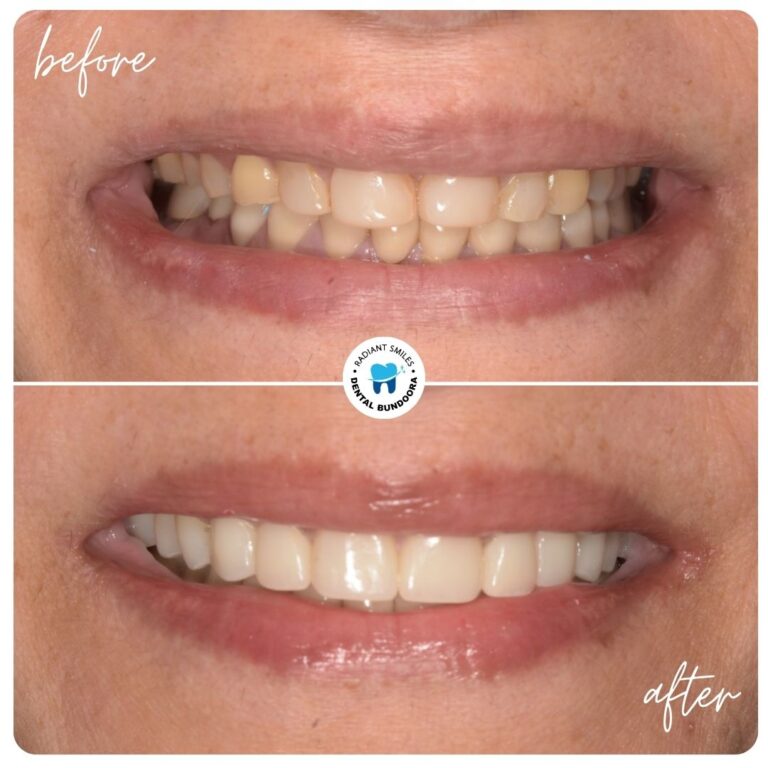
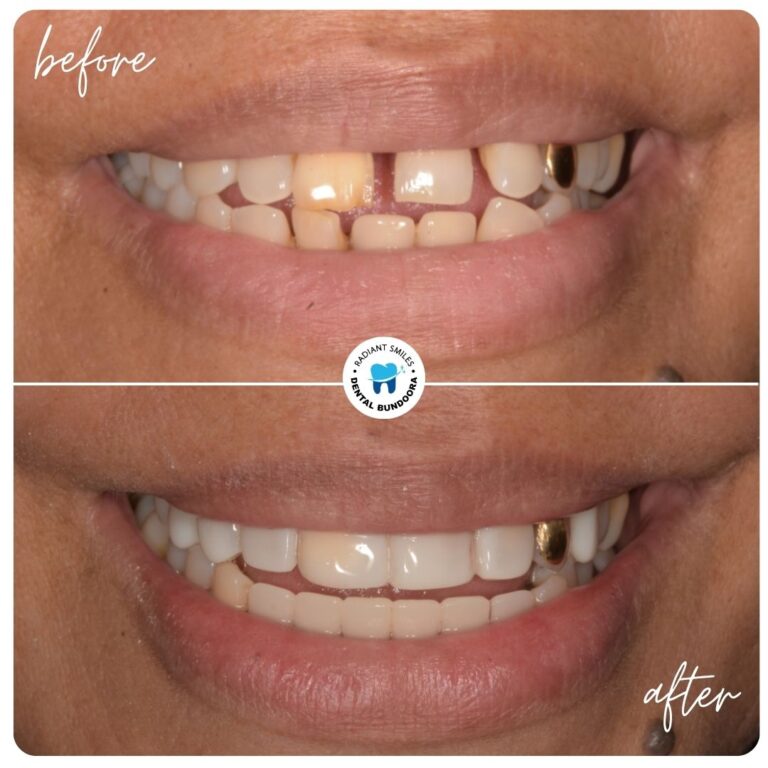
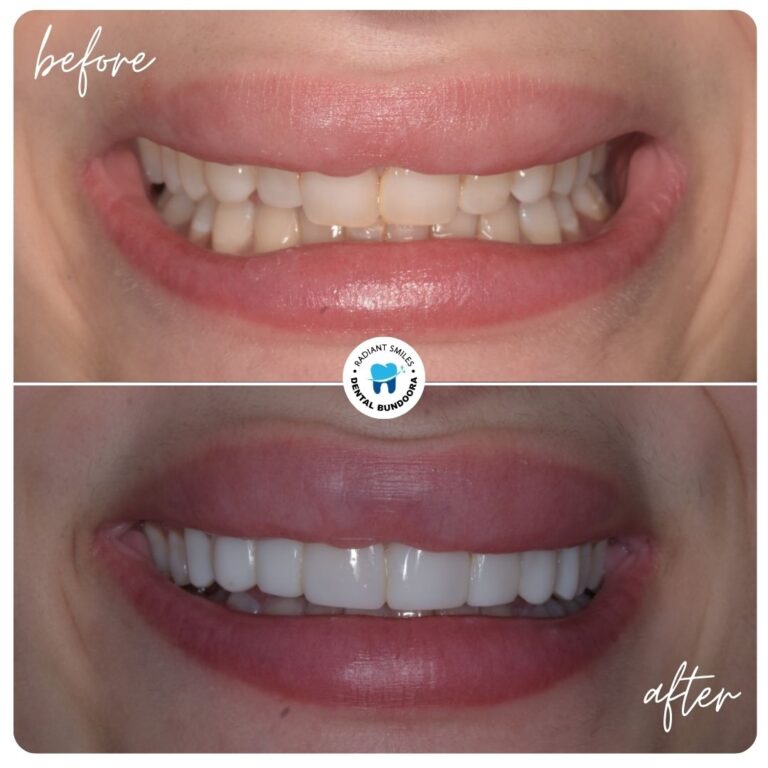
At Radiant Smiles Dental Bundoora, we offer custom porcelain and composite veneers for suitable patients who would like to change the colour, shape, size or appearance of selected teeth.
Dr. Chandni Passi is a compassionate and dedicated dentist with over 12 years of experience in the field. She earned her Bachelor of Dental Surgery in 2010 and furthered her expertise by completing a Master’s degree in Oral and maxillofacial Surgery in 2015. Both the degree were completed in India. In 2019 she completed her ADC exams and became a licensed dental practitioner in Australia.
Dr Passi has developed a strong interest in cosmetic dentistry, including dental veneers. She has undertaken additional training through courses in Australia and internationally to further develop her knowledge and clinical skills in this area.
At Radiant Smiles Dental Bundoora, Dr. Passi is committed to providing high-quality, patient-centred care in a welcoming and comfortable environment. She takes the time to understand each patient’s unique needs and goals, ensuring they feel informed and supported throughout their dental journey.
Dr Chandni Passi, Principal Dentist
“Book your complimentary veneer consultation to discuss your treatment goals, available options and whether veneers may be suitable for you.”
Dental veneers may be considered for some adults with healthy teeth and gums who would like to change particular aspects of the appearance of their teeth.
To be eligible for porcelain veneers, your teeth and gums should be in good overall health. If you have active gum disease, untreated decay, or severe teeth grinding, our Bundoora cosmetic dentists may recommend other treatments before proceeding with veneers.
Not sure if veneers are right for you? Book a consultation at Radiant Smiles Dental Bundoora today!
Porcelain veneers are thin ceramic restorations made to cover the front surface of selected teeth. They are fabricated outside the mouth and bonded to prepared tooth surfaces.
Porcelain veneers may be suitable for some patients with healthy teeth and gums who wish to change the appearance of selected teeth. The number of veneers required varies according to the teeth involved, the patient’s bite and the agreed treatment plan.
Composite veneers are made from tooth-coloured resin material applied directly to the tooth surface. Depending on the treatment required, they may be completed in fewer appointments than porcelain veneers.
Your dentist can discuss the differences between porcelain and composite veneers and help you consider which option may be appropriate based on your teeth, treatment goals, expected maintenance and budget.
Choosing between porcelain and composite veneers comes down to your goals, budget, and lifestyle. Here’s a quick comparison:
Factor | Porcelain Veneers | Composite Veneers |
Material | Dental ceramic | Composite resin |
Stain Resistance | Generally more resistant to staining | More susceptible to staining over time |
Maintenance | May chip, fracture or require replacement | May stain, wear, chip or require repair |
Cost | Generally higher initial cost | Generally lower initial cost |
Treatment Time | Usually requires multiple appointments | May require fewer appointments |
Tooth Preparation | May require enamel preparation | Amount of preparation varies according to the case |
Both materials have advantages, limitations and potential risks. Your dentist can discuss which option may be appropriate after assessing your teeth and oral health.
Dental veneers are a cosmetic option suitable for patients aged 18 and above. Individuals who grind their teeth excessively may not be eligible, as the pressure could lead to veneer damage. Your teeth and gums must be in good health before considering any cosmetic procedures. If you have active gum disease or tooth decay, you may not be a candidate for veneers.
The amount of tooth preparation and the experience of discomfort vary between patients and depend on the type of veneer and treatment required. Local anaesthetic may be used where appropriate. Some patients may experience temporary tooth sensitivity or discomfort during or after treatment.
The lifespan of veneers varies between patients. Porcelain and composite veneers can chip, fracture, stain, loosen or require replacement over time. Factors such as bite forces, teeth grinding, oral hygiene, diet and ongoing dental care can influence their longevity.
Teeth grinding or clenching can increase the risk of veneer damage. Your dentist will assess your bite and the severity of grinding before recommending veneers. A protective night guard may be recommended in some cases, although this does not eliminate the risk of damage.
The cost of veneers depends on factors including the material used, number of teeth treated and complexity of treatment. Payment options are available subject to eligibility and applicable terms and conditions. A personalised treatment plan and fee estimate can be provided after assessment.
Yes. Patients from surrounding suburbs including Bundoora, Reservoir, Greensborough, Watsonia, Macleod, Rosanna, Mill Park, Thomastown, Lalor and Eltham attend the clinic for dental care, including veneer consultations and treatment where clinically appropriate.
If you are considering porcelain or composite veneers, a dental assessment can help determine whether they may be suitable for your teeth. The dentist can discuss the available materials, amount of tooth preparation required, potential risks, maintenance and alternative treatment options.
Our dental clinic in Bundoora provides individual cosmetic dental consultations based on your oral health, treatment preferences and clinical findings. Treatment outcomes vary between patients, and your dentist will discuss what may reasonably be expected in your individual case.
In preparing the teeth for the reception of cosmetic veneers, either made of porcelain or composite resin, it may be necessary to reduce or roughen the surface of the tooth to which the veneer(s) may be bonded. This preparation will be done as conservatively as possible, but once this is done, the patient is committed to veneers or crowns for the duration of life. If the veneer covering breaks or comes off, the uncovered tooth may become susceptible to decay if the veneer is not replaced in a timely manner.
Through the process of modifying teeth to accept veneers, there is the possibility of the development of tooth sensitivity which may last for days or months following tooth preparation. In most cases, this sensitivity will alleviate over time but in rare instances is permanent.
Chipping, breaking or loosening of the veneer may occur any time following placement. Many factors may contribute to this happening such as: chewing of excessively hard materials; changes in occlusal (biting) forces; traumatic blows to the mouth; failure of the bond between the veneer and tooth; and other such conditions over which the dentist has no control.
Since the veneers may be wider and/or longer than the natural teeth they are covering, a difference in speech may be evident. Many times, the patient will adapt to the change and speech returns to normal very shortly after placement. The veneers may need to be adjusted to alleviate problems with speech.
Sensitive or allergic reactions to anesthetics or materials used in the procedure.
Every attempt possible will be made to match and coordinate both the form and shade of veneers, which will be placed to be cosmetically pleasing to the patient. However, there are some differences, which may exist between that which is natural and that which is artificial making it impossible to have the shade and/or form perfectly match your natural dentition. Once veneers are bonded to place on the teeth, should the patient desire any changes later a fee may be assessed to cover any extensive adjustments or remakes.
It is impossible to place any specific time criteria on the length of time that veneers should last. Once the tooth structure is prepared for veneer placement, the patient is committed to veneers for life. Should the veneers become damaged, leaky, or stained, they will need to be replaced.
Veneers are susceptible to staining just like natural teeth. Composite resin veneers tend to stain more readily than porcelain. The veneers may need to be replaced if excessive staining, marginal leakage, or chipping occurs. Every attempt to avoid stain inducing foods and drinks should be avoided.
An acrylic laboratory-fabricated night guard may be recommended to help reduce the risk of veneer damage associated with nighttime clenching or grinding.
Support
Copyright © 2025 Radiant Smiles Dental Bundoora, All rights reserved. Dental marketing by Practice Boost