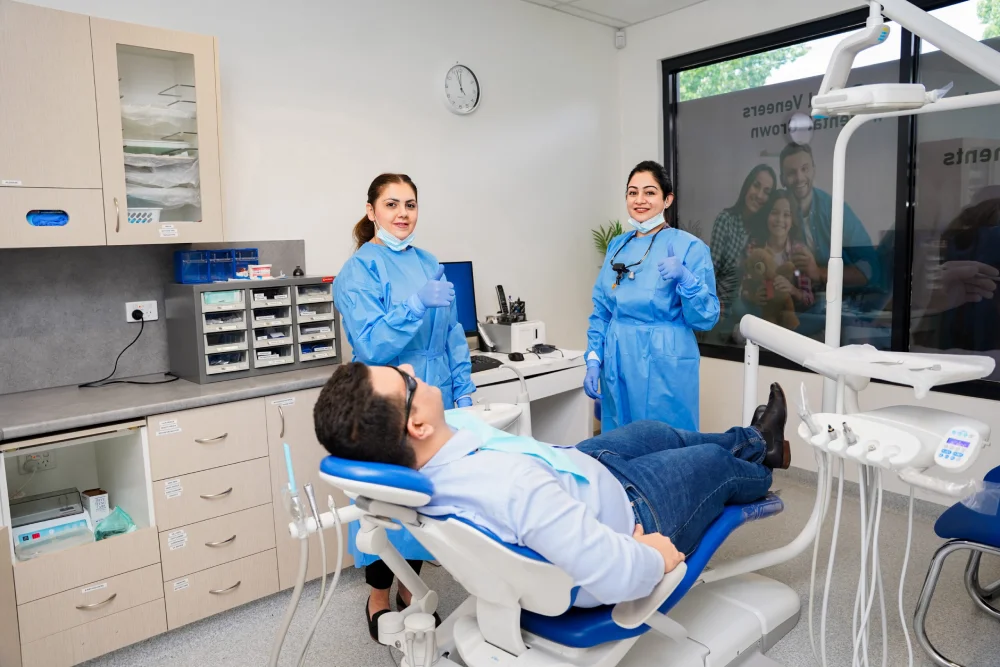
Root Canal Bundoora
At Radiant Smiles Dental Bundoora, we provide root canal treatment to manage infection or inflammation inside a tooth and help preserve the natural tooth where appropriate. Local anaesthetic is commonly used during treatment, and the procedure is planned according to the condition of the tooth and surrounding tissues.
Root canal treatment may help manage infection and preserve a natural tooth where appropriate.
Root Canal Treatment for Infected or Damaged Teeth in Bundoora
When infection or inflammation reaches the pulp inside a tooth, root canal treatment may be recommended to remove the affected tissue and help preserve the tooth where possible. At Radiant Smiles Dental Bundoora, Dr Chandni Passi and our dental team provide root canal treatment based on the condition of the tooth, surrounding tissues and individual clinical findings.
Root canal treatment involves removing infected or inflamed pulp tissue, cleaning and disinfecting the root canal system, and sealing the tooth. A filling or crown may then be required to restore the tooth, depending on how much tooth structure remains.
Is Root Canal Treatment Suitable for Me?
What Root Canal Treatment Is Intended to Do
Root canal treatment may be recommended to manage infection or inflammation inside a tooth and, where possible, preserve the natural tooth. Depending on the individual case, treatment may:
- Remove infected or inflamed pulp tissue from inside the tooth
- Reduce symptoms associated with the affected tooth
- Allow the tooth to remain in place where it can be successfully restored
- Support chewing function once the tooth has been appropriately restored
- Avoid extraction in some cases
When Is Root Canal Treatment Needed?
Root canal therapy is often recommended when the inner part of your tooth, known as the pulp, becomes inflamed or infected. This can be caused by:
- Deep decay reaching the pulp
- Cracks or chips that expose the inner tissue
- Severe or lingering sensitivity to heat, cold, or pressure
- Pain when chewing, swelling, or recurring gum pimples
- Infection visible on X-rays at the tip of the root
Treating an infected or inflamed tooth may improve the likelihood of preserving the natural tooth, depending on the extent of damage and whether the tooth can be successfully restored.
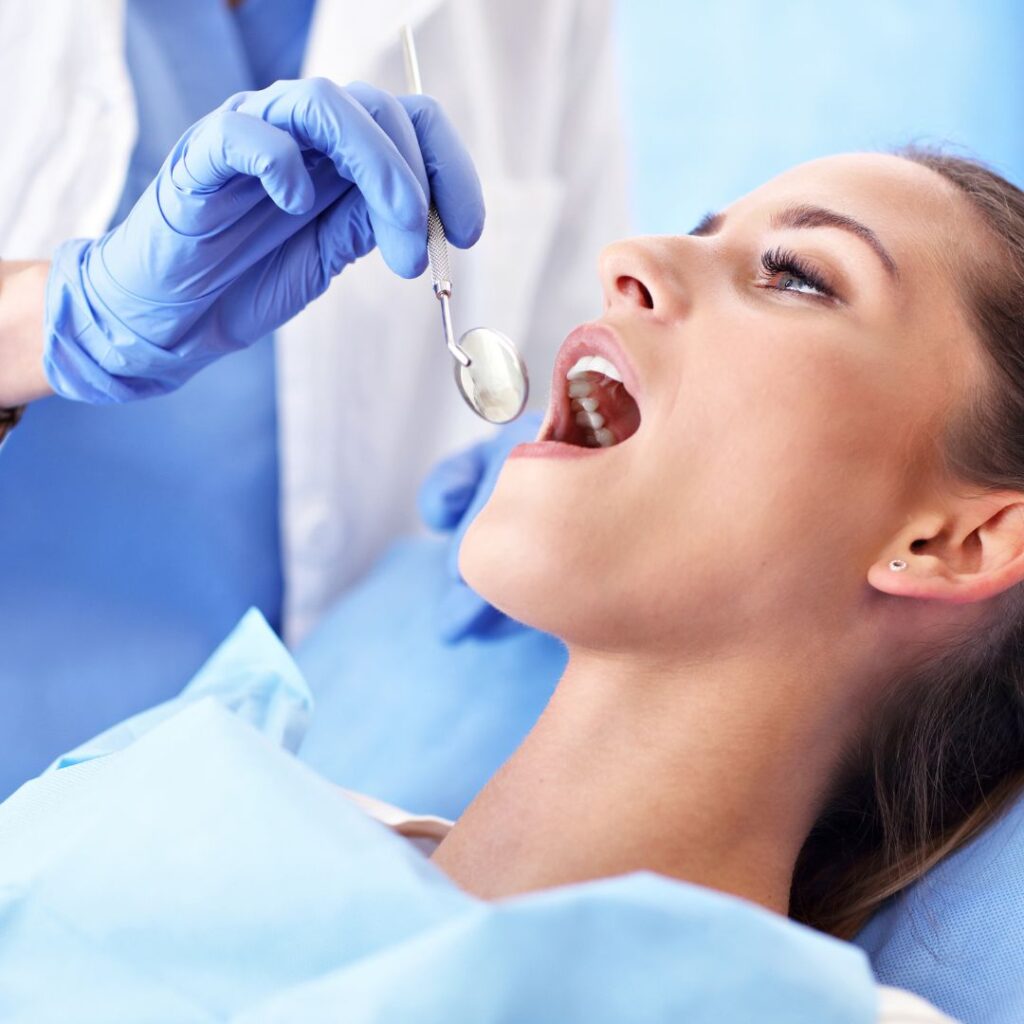
What to Expect During Your Root Canal Treatment
- Consultation & Diagnosis
We examine the tooth, take X-rays where clinically indicated and discuss whether root canal treatment may be appropriate. - Numbing & Isolation
Local anaesthetic is commonly used before treatment, and a rubber dam may be placed to isolate the tooth during the procedure. - Pulp Removal & Cleaning
We open the tooth, remove the pulp, and clean the canals with precise files and disinfectants. - Filling & Sealing
The cleaned canals are filled and sealed with appropriate dental materials to reduce the risk of reinfection. - Restoration
A filling or crown may be placed to restore the treated tooth and provide additional structural support where required.
The number and length of appointments vary depending on the tooth, complexity of the root canal system and individual treatment needs.
Root Canal Treatment for Tooth Infection in Bundoora
Root canal treatment removes infected or inflamed tissue from inside the tooth and may help preserve the tooth where it can be successfully restored.
Is Bundoora Root Canal Treatment Painful?
Local anaesthetic is commonly used during root canal treatment. Some patients may feel pressure or discomfort during or after the procedure, and the level experienced varies depending on the tooth, infection, complexity of treatment and individual response.
Temporary tenderness or soreness can occur after treatment. Your dentist will provide aftercare advice and discuss appropriate pain relief where needed.
Recovery & Aftercare
Following root canal treatment, your dentist will provide aftercare instructions based on the tooth and treatment performed.
- If local anaesthetic has been used, wait until the numbness has worn off before eating to reduce the risk of accidentally biting your tongue, cheek or lip.
- Discomfort or tenderness may occur after treatment. Your dentist can advise whether over-the-counter or prescribed pain relief is appropriate for you.
- Stick to soft foods and avoid chewing on the treated tooth until your final crown or filling is placed.
- Maintain good oral hygiene by brushing twice a day, flossing daily, and attending regular dental check-ups.
- Reach out to our team if pain worsens, swelling increases, or symptoms persist beyond a few days.
Treatment time varies depending on the tooth, number and shape of the canals, the extent of infection and whether further restorative treatment is required. Your dentist can provide an estimate after examining the tooth.
The outcome of root canal treatment varies according to factors such as the extent of infection, the anatomy of the root canals, the condition of the remaining tooth structure, the quality of the final restoration and ongoing oral hygiene and dental care.
Yes. A root canal-treated tooth can still develop decay or gum disease. The tooth and any associated crown or filling should be monitored as part of ongoing dental care.
If infection or inflammation inside the tooth is left untreated, symptoms may worsen and complications such as swelling, abscess, bone loss or tooth loss can occur. Depending on the condition of the tooth, treatment options may include root canal treatment, extraction or other appropriate care.
Book Your Root Canal Treatment in Bundoora
If you’re experiencing tooth pain, swelling or other symptoms that may be related to an infected or inflamed tooth, our Bundoora dental team can assess the tooth and discuss whether root canal treatment or another option may be appropriate.
Our dental team will explain the treatment process, expected recovery, relevant risks and restorative options before treatment begins. Book online or call our team to arrange an assessment.
We proudly serve Bundoora and nearby suburbs including Watsonia, Macleod, Rosanna, Reservoir, Mill Park, Thomastown, Lalor, Greensborough, Eltham, and surrounds.