


Dental Treatment Risks & Considerations
Dental procedures can involve potential risks, side effects, limitations and complications. These differ according to the treatment and individual factors such as oral health, medical history, anatomy and treatment complexity. Understanding relevant risks, alternatives and possible outcomes forms part of making an informed decision before proceeding with dental treatment.
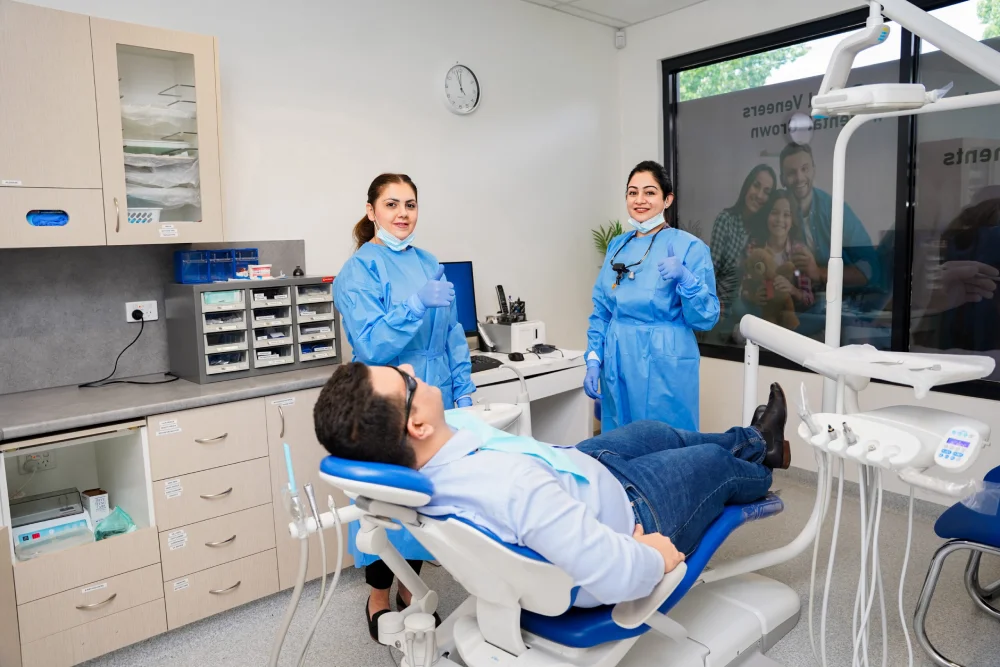
At Radiant Smiles Dental Bundoora, we believe patients should have clear information about proposed dental treatment before deciding whether to proceed. Dental procedures can involve potential risks, side effects, limitations and complications, even when treatment is carefully planned and performed.
The information below provides a general overview of risks and considerations associated with treatments available at our clinic. It is not intended to cover every possible complication or replace an individual discussion with your treating dentist.
Your individual risk profile may be influenced by your oral and general health, medical history, medications, allergies, anatomy, existing dental conditions, lifestyle factors and the complexity of treatment. Your dentist can explain the material risks relevant to your circumstances, reasonable alternatives and the potential consequences of not proceeding with recommended treatment.
Please ask your dentist if you have questions or would like further information before providing consent for treatment.
Cosmetic Dentistry
Dental Veneers
Dental veneers are restorations placed over the front surfaces of selected teeth. Depending on the treatment plan, veneers may be made from porcelain or composite resin.
Potential risks and considerations include:
Tooth Preparation: Some veneer treatments require removal or modification of natural tooth structure. Any enamel or tooth structure removed during preparation cannot regenerate, and the treated tooth may require ongoing restorative care.
Sensitivity: Temporary sensitivity to hot, cold, pressure or air can occur following tooth preparation or veneer placement. Persistent or increasing sensitivity should be assessed.
Pulpal Changes: Where tooth preparation is required, the dental pulp can occasionally become irritated or lose vitality. Further treatment, including root canal treatment, may become necessary in some circumstances.
Chipping, Cracking or Fracture: Veneers can chip, crack or fracture. Bruxism, clenching, trauma and biting hard foods or objects can increase mechanical stress on restorations.
Debonding: A veneer can partially or completely detach from the tooth and may require rebonding, repair or replacement.
Changes in Appearance: Colour, translucency, shape and surface characteristics can differ from expectations. The appearance is influenced by the restorative material, underlying tooth colour, neighbouring teeth and lighting conditions. An exact aesthetic result cannot be guaranteed.
Gum Response: Gum tissue around veneers can become irritated or inflamed. Changes in the gum margin or recession can also affect how restoration margins appear.
Decay: A veneered tooth can still develop decay, particularly around restoration margins.
Bite Changes: Altering tooth shape can affect the way teeth contact. Adjustments may be required if the bite does not feel appropriate following treatment.
Maintenance and Replacement: Veneers are not permanent lifetime restorations. Wear, fracture, decay, gum changes, aesthetic changes or other factors can result in future repair or replacement.
Your dentist will assess the condition of your teeth, gums and bite before determining whether veneers are suitable for your circumstances.
Teeth Whitening
Teeth whitening uses whitening agents to lighten the colour of natural teeth. The degree of colour change varies between individuals and depends partly on the type and cause of discolouration.
Potential risks and considerations include:
Tooth Sensitivity: Temporary sensitivity is a recognised effect of whitening. Teeth may become more responsive to cold, air or other stimuli during or after treatment. The degree and duration vary between patients.
Gum and Soft-Tissue Irritation: Whitening material that contacts the gums, lips or other oral tissues can cause temporary irritation or whitening of the tissue.
Uneven Whitening: Teeth may respond differently to whitening. Existing colour variations, internal discolouration and differences between individual teeth can remain after treatment.
Existing Restorations: Crowns, veneers, fillings and other restorative materials do not respond to whitening in the same way as natural enamel. Colour differences may therefore become more noticeable.
Existing Dental Conditions: Decay, cracked teeth, exposed root surfaces, gum disease and existing sensitivity can influence suitability and may need to be addressed before whitening.
Results Are Not Permanent: Teeth can darken or stain again over time. Diet, smoking, ageing and other factors can affect future tooth colour.
Whitening should not be used as a substitute for investigating unexplained tooth discolouration. A dental assessment can help determine whether there is an underlying condition requiring attention.
Smile Design
Smile design is a treatment-planning process that may consider changes to tooth colour, position, shape, proportion or surrounding gum tissue.
A smile design may incorporate one or several procedures, such as whitening, veneers, bonding, clear aligners, crowns or gum contouring. It therefore does not have one independent set of procedural risks.
Important considerations include:
Treatment-Specific Risks: The risks associated with a smile design depend on the procedures ultimately selected. Each proposed treatment should be considered separately before consent.
Digital and Visual Planning: Photographs, digital simulations, mock-ups and other planning methods can assist communication. They are representations and cannot guarantee that the final clinical result will be identical.
Biological Limitations: Tooth structure, gum health, bone levels, bite relationships and other anatomical factors can limit the changes that are clinically appropriate.
Changes to Natural Tooth Structure: Some proposed procedures may require irreversible alteration of teeth.
Maintenance: Restorative or cosmetic procedures incorporated into a smile plan can require future maintenance, repair or replacement.
The potential risks, alternatives and limitations of each treatment included in a smile design should be discussed before those procedures are undertaken.
Invisalign and Clear Aligner Treatment
Invisalign and clear aligner treatment use a planned series of removable appliances to apply forces to teeth and progressively alter their positions.
Potential risks and considerations include:
Treatment Response: Teeth do not always move precisely according to the initial digital plan. Biological response differs between patients and between individual teeth.
Wear Compliance: Clear aligners need to be worn according to the instructions provided by the treating dentist. Insufficient wear can affect aligner fit, tooth movement and treatment progress.
Tenderness and Pressure: Teeth can feel tender or sensitive when aligners are introduced or changed.
Soft-Tissue Irritation: Aligners or attachments can occasionally irritate the cheeks, lips, gums or tongue.
Speech Changes: Some patients notice a temporary alteration in speech, including a lisp, while becoming accustomed to the aligners.
Attachments: Tooth-coloured attachments may be bonded to selected teeth to assist certain movements. Their number, size and location depend on the treatment plan. Attachments can occasionally detach and require replacement.
Interproximal Reduction: Some treatment plans involve removing a controlled amount of enamel between selected teeth to create space. This procedure is irreversible and is not required in every case.
Additional Orthodontic Measures: Elastics, refinements, additional aligners or other measures may be required where clinically appropriate.
Decay and Enamel Demineralisation: Food debris and plaque can become trapped against teeth if aligners are placed over inadequately cleaned teeth. This can contribute to decay or mineral loss.
Gum Health: Gingivitis or periodontal problems can develop or worsen when plaque is not adequately controlled.
Root Changes: Orthodontic tooth movement can be associated with shortening or other changes to tooth roots. The extent and clinical significance vary.
Previously Compromised Teeth: Teeth that have experienced trauma, extensive restoration or previous pulpal problems can respond differently to orthodontic movement and may require additional assessment or treatment.
Bite Changes: Tooth movement changes how the upper and lower teeth meet. Additional adjustment or treatment may sometimes be required.
Relapse: Teeth can move after active orthodontic treatment. Retainers are generally required after treatment to help maintain tooth positions.
Treatment Duration: The duration initially estimated can change depending on biological response, aligner wear, missed appointments, treatment modifications and whether additional aligners are required.
Clear aligner treatment may not be suitable for every orthodontic problem. Assessment is required to determine which treatment options are appropriate.
Dental Bonding
Dental bonding commonly involves applying composite resin to a tooth to modify its shape, repair minor damage or alter aspects of its appearance.
Potential risks and considerations include:
Sensitivity: Some teeth may temporarily become sensitive following treatment. Persistent or worsening symptoms should be assessed.
Chipping and Fracture: Composite resin can chip or fracture, particularly when exposed to heavy biting forces, grinding, clenching or trauma.
Wear: Composite material can gradually wear and may require polishing, repair or replacement.
Staining and Colour Changes: Composite can stain or change in appearance over time. It does not necessarily respond to whitening in the same manner as natural tooth structure.
Aesthetic Limitations: The appearance of bonding is influenced by the underlying tooth, surrounding teeth, available space, bite and restorative material. Exact colour or shape outcomes cannot be guaranteed.
Tooth Preparation: Some cases require modification of natural tooth structure. The extent depends on the clinical situation.
Gum Irritation: Plaque accumulation around restoration margins can contribute to gum inflammation.
Decay: Natural tooth structure around a bonded restoration remains susceptible to decay.
Maintenance: Bonding is not considered a permanent lifetime restoration and may require future repair, polishing or replacement.
Inlays and Onlays
Inlays and onlays are restorations used to repair selected teeth where the amount or location of damaged tooth structure requires an indirect restorative approach.
Potential risks and considerations include:
Removal of Tooth Structure: Damaged tooth tissue and, where necessary for restoration design, additional tooth structure may need to be removed.
Sensitivity: Temporary sensitivity to temperature, pressure or biting can occur after treatment.
Pulpal Irritation: Where decay or damage extends close to the dental pulp, inflammation or loss of vitality may occur. Root canal treatment can subsequently become necessary in some teeth.
Fracture: An inlay or onlay can chip or fracture. The remaining natural tooth can also fracture, particularly where it was already weakened.
Debonding: The restoration can loosen or become detached and may require recementation or replacement.
Bite Changes: The restoration may initially feel different during biting and can require adjustment.
Decay Around the Restoration: New decay can develop at the margins between the restoration and natural tooth.
Future Replacement: Inlays and onlays are subject to wear and other changes and may eventually require repair or replacement.
Gum Contouring
Gum contouring involves altering the position or shape of gum tissue around selected teeth. The procedure may vary according to the amount of tissue involved and the relationship between the gums, teeth and underlying bone.
Potential risks and considerations include:
Pain and Tenderness: Some discomfort or tenderness can occur after treatment.
Bleeding and Swelling: Temporary bleeding and swelling can occur following treatment involving gum tissue.
Tooth Sensitivity: Changing the gum margin can expose areas of the tooth that were previously covered, potentially resulting in sensitivity.
Gum Recession: Gum tissue may heal at a different level than anticipated, and recession can occur.
Uneven Healing: Tissue does not always heal symmetrically. Differences in gum height or contour can remain or develop during healing.
Infection: Infection can occur following a procedure involving oral soft tissues.
Delayed Healing: Healing time varies, and some medical conditions, medications, smoking and oral-health factors can affect tissue healing.
Aesthetic Variation: The final gum contour depends on individual healing and anatomy. An exact appearance cannot be guaranteed.
Further Treatment: Additional contouring or other periodontal treatment may occasionally be considered if the tissues do not heal in the anticipated position.
Implant Dentistry
Dental Implants
Dental implants involve the surgical placement of an implant into the jawbone to support a dental restoration. Implant treatment has surgical, biological and restorative risks.
Potential risks and considerations include:
Pain, Swelling and Bruising: Postoperative tenderness, swelling and bruising can occur. Their extent varies according to the procedure and individual response.
Bleeding: Bleeding can occur during or after implant surgery. Medical conditions and medications can influence bleeding risk.
Infection: Infection can develop at the surgical site and may require additional management.
Delayed Healing: Healing may take longer than anticipated. General health, smoking, oral hygiene, medications and other factors can influence healing.
Failure to Integrate: An implant may not establish or maintain adequate integration with the surrounding bone. An implant that does not integrate may need to be removed.
Additional Surgery: Where an implant is unsuccessful or the surrounding tissues are inadequate, additional treatment such as grafting, healing time or replacement may be considered.
Bone Loss: Supporting bone around an implant can change over time. Progressive inflammatory disease around implants can result in loss of supporting tissue.
Gum Changes: Recession or changes in the gum contour may expose implant or restorative components and alter appearance.
Nerve Injury: Implant surgery in the lower jaw can involve structures close to sensory nerves. Nerve disturbance may cause numbness, tingling, altered sensation or pain affecting areas such as the lip, chin, teeth, gums or tongue. These changes may be temporary or, less commonly, persistent.
Sinus Involvement: Implants in the upper back jaw can be located close to the maxillary sinus. Sinus membrane perforation, sinus communication or sinus-related complications can occur.
Damage to Adjacent Structures: Neighbouring teeth, roots, restorations, blood vessels or other anatomical structures can potentially be affected during surgery.
Implant Position: Anatomical limitations can influence implant position. The final restorative result is affected by available bone, gum tissue and neighbouring structures.
Mechanical Complications: Implant crowns, bridges, screws and other components can loosen, wear, chip or fracture.
Aesthetic Limitations: Implant restorations may differ from natural teeth in colour, shape or gum contour. Changes to neighbouring natural teeth and gums can also affect appearance over time.
Maintenance: Dental implants require ongoing oral hygiene and professional monitoring. They are not immune to plaque-related disease.
Long-Term Survival: Implant treatment cannot guarantee that an implant will remain functional for life.
Single Tooth Dental Implants
A single tooth dental implant is used to replace an individual missing tooth with an implant-supported restoration.
The general surgical risks associated with dental implants also apply to single-tooth treatment.
Additional considerations include:
Neighbouring Teeth and Roots: Available space and the position of adjacent roots influence implant placement. Nearby structures can potentially be damaged during surgery.
Gum Appearance: The gum margin around an implant crown may differ from the neighbouring natural teeth. Recession or tissue changes can become more noticeable over time.
Colour and Shape: An implant crown can be matched to surrounding teeth, but an exact match cannot be guaranteed. Natural teeth can also change colour with age while restorative materials remain relatively stable.
Implant Crown Complications: The crown, abutment or screw can loosen, chip, fracture or require replacement.
Bone and Tissue Changes: Bone and gum levels can change following tooth loss and after implant placement, affecting the appearance and support of the restoration.
Implant Failure: Failure to integrate or later loss of implant support remains possible and may require removal or additional treatment.
All-on-4 Dental Implants
All-on-4 dental implant treatment uses multiple implants to support a full-arch dental prosthesis. Treatment can involve extractions, implant surgery, temporary restorations and later restorative stages depending on the individual plan.
Potential risks and considerations include:
General Surgical Risks: Bleeding, swelling, bruising, discomfort, infection and delayed healing can occur.
Implant Failure: One or more implants may fail to integrate or may lose support later. This can affect how the prosthesis is supported and may require modification or further treatment.
Nerve and Sinus Risks: Implant position can place treatment close to nerves or sinus structures. The relevant risks depend on the jaw and individual anatomy.
Bone Requirements: Available bone influences implant placement. Bone modification or grafting may be required in some cases.
Temporary Prosthesis Complications: A provisional prosthesis can loosen, chip, fracture or require adjustment during healing.
Definitive Prosthesis Complications: The longer-term prosthesis, teeth, screws and other components can wear, loosen, chip or fracture.
Speech Changes: A full-arch prosthesis can temporarily alter speech while the tongue and surrounding tissues adapt.
Chewing and Bite: The way food is chewed and the teeth contact can feel different. Bite adjustments may be required.
Oral Hygiene: Cleaning around implants and beneath the prosthesis requires specific techniques. Inadequate plaque control can contribute to inflammation and loss of supporting tissues.
Aesthetic Limitations: Tooth position, lip support, gum display, bone availability and prosthesis design can influence appearance.
Further Treatment: Implant loss, prosthetic complications, tissue changes or other problems can require repair, replacement or additional surgical care.
All-on-6 Dental Implants
All-on-6 dental implants use multiple implants to support a full-arch restoration. The number of implants used does not eliminate the biological, surgical or restorative risks associated with implant treatment.
Potential risks and considerations include:
Surgical Complications: Pain, swelling, bruising, bleeding, infection and delayed healing can occur.
Implant Integration: Individual implants may not integrate adequately with the jawbone.
Nerve or Sinus Involvement: Treatment planning must account for nerves, sinus structures and other anatomy. Complications involving these structures are possible.
Changes in Bone and Gum Tissue: Supporting tissues can remodel or recede over time.
Prosthetic Wear or Damage: The full-arch restoration and its components can chip, fracture, loosen or wear.
Speech and Adaptation: Speech, tongue space and chewing can feel different after receiving a full-arch prosthesis.
Bite Changes: Occlusal adjustments can be required as the patient adapts or as restorative components change.
Cleaning Requirements: Areas beneath the prosthesis and around individual implants require ongoing cleaning.
Implant Disease: Inflammation can develop around implants and may result in progressive loss of supporting tissues.
Maintenance and Further Treatment: Repair, component replacement, prosthesis replacement or additional implant treatment may be required during the life of the restoration.
Sinus Graft and Sinus Lift
A sinus graft may be recommended when there is insufficient bone height beneath the maxillary sinus for planned implant placement.
Potential risks and considerations include:
Sinus Membrane Perforation: The membrane lining the sinus can tear during surgery. Depending on the circumstances, the membrane may be repaired, the procedure altered or treatment postponed.
Sinus Infection or Inflammation: Sinus symptoms, infection, congestion or inflammation can occur following treatment.
Graft Failure: Graft material may not integrate adequately with the existing bone.
Insufficient New Bone: The resulting bone volume may be less than anticipated and could alter future implant planning.
Pain and Swelling: Postoperative tenderness, swelling and bruising can occur.
Bleeding: Bleeding can occur from the surgical site or, in some cases, from the nose.
Infection: Infection involving the grafted area can compromise healing and may require further treatment.
Graft Material Movement or Loss: Graft particles can occasionally migrate or become exposed during healing.
Delayed Implant Treatment: Healing or graft-related complications can postpone planned implant placement.
Additional Procedures: Further grafting or other treatment may become necessary if sufficient bone does not develop.
Bone Grafting
Dental bone grafting may be used to preserve or increase bone volume before or in conjunction with implant treatment.
Potential risks and considerations include:
Pain, Swelling and Bruising: These can occur following graft surgery.
Bleeding: Postoperative bleeding can occur and may be influenced by medications or medical conditions.
Infection: Infection can affect the surgical site or graft material.
Graft Exposure: Gum tissue over the graft can open during healing, exposing graft material or a membrane.
Partial or Complete Graft Loss: Grafted material may not integrate as planned.
Insufficient Bone Formation: The amount of bone produced may not be adequate for the originally planned treatment.
Delayed Healing: Healing can be influenced by smoking, medical conditions, oral hygiene and other individual factors.
Donor-Site Risks: If a patient’s own bone is collected from another site, that area has separate risks including pain, bleeding, infection and altered sensation depending on its location.
Additional Surgery: Further grafting or modification of the implant plan may be required if the initial procedure does not provide sufficient bone.
Treatment Timing: Implant placement may need to be postponed or reconsidered according to graft healing and available bone.
General and Preventive Dentistry
Dental Check-Ups and Cleans
Dental check-ups and cleans involve examination of the teeth, gums and other oral tissues, with professional cleaning performed where appropriate. Diagnostic imaging may also be recommended when clinically indicated.
Potential risks and considerations include:
Gum Tenderness and Bleeding: Scaling around inflamed gums can result in temporary tenderness or bleeding. This may be more noticeable where gingivitis or periodontal disease is present.
Tooth Sensitivity: Teeth may temporarily become more sensitive after calculus and plaque are removed, particularly where root surfaces are exposed or gum recession is present.
Temporary Changes in Tooth Sensation: Teeth can feel different after substantial calculus deposits have been removed. Spaces between teeth may also become more noticeable where calculus previously occupied those areas.
Existing Restorations: Crowns, fillings, veneers and other restorations are assessed during an examination, but existing restorations can occasionally loosen, fracture or reveal underlying problems independently of the cleaning procedure.
Dental Radiographs: X-rays involve exposure to a small amount of ionising radiation. They are recommended when the expected diagnostic information is considered clinically appropriate.
Diagnostic Limitations: Examination and imaging provide information about oral health at a particular point in time. Some conditions may be difficult to detect in their earliest stages or can develop between examinations.
Need for Further Investigation: Findings during a routine appointment can result in a recommendation for additional imaging, testing, treatment or referral.
A check-up does not guarantee that future dental disease will be prevented. The frequency and type of ongoing care depend on individual oral-health needs and risk factors.
Dental Fillings
Dental fillings are used to restore selected teeth affected by decay, fracture, wear or other loss of tooth structure. The amount of preparation required depends on the location and extent of the damage.
Potential risks and considerations include:
Tooth Sensitivity: A tooth may temporarily become sensitive to cold, heat, pressure or biting after a filling is placed.
Pulpal Irritation: Decay or damage that extends close to the dental pulp can leave the nerve tissue irritated or compromised. Symptoms can persist or develop following treatment.
Further Treatment: Where the pulp does not recover or infection develops, additional treatment such as root canal treatment or extraction may become necessary.
Bite Changes: A newly restored tooth can feel high or make contact differently when biting. Adjustment may be required if this persists.
Pain on Biting: Discomfort with chewing can occur for several reasons and should be assessed if it persists or becomes worse.
Chipping, Fracture or Wear: Filling materials can chip, fracture or wear. The remaining natural tooth structure can also fracture.
Loss of the Filling: A restoration can loosen or detach and may require replacement.
Recurrent Decay: New decay can develop around or beneath a restoration.
Appearance: Tooth-coloured fillings may differ slightly from surrounding enamel in shade, translucency or surface characteristics. Their appearance can also change over time.
Replacement: Fillings are not permanent lifetime restorations and may eventually require repair or replacement.
The prognosis of a restored tooth is influenced by the amount of remaining tooth structure, depth of decay, bite forces, oral hygiene and other individual factors.
Fissure Sealants
Fissure sealants are protective materials placed into selected pits and grooves of teeth where clinically appropriate.
Potential risks and considerations include:
Sealant Loss: A sealant can partially or completely detach from the tooth.
Wear or Fracture: The material can gradually wear, chip or fracture and may require repair or replacement.
Moisture During Placement: Successful bonding depends partly on controlling moisture while the material is applied. Contamination can affect retention.
Bite Changes: A newly placed sealant can occasionally feel different when biting. Persistent changes should be checked.
Decay Can Still Develop: Sealants do not make a tooth immune to decay. Other tooth surfaces remain susceptible, and a compromised sealant may require reassessment.
Need for Monitoring: Sealants should be checked during future dental examinations to assess whether they remain intact.
Material Reactions: Sensitivity or reactions to components of dental materials are possible, although uncommon.
Fluoride Treatments
Fluoride treatments may be recommended as part of preventive dental care according to age, decay risk, fluoride exposure and individual oral-health needs.
Potential risks and considerations include:
Temporary Taste or Texture: Fluoride varnishes and other topical products can temporarily leave an unfamiliar taste or coating on the teeth.
Oral Irritation: Temporary irritation of the gums or other oral tissues can occur.
Nausea if Swallowed: Ingestion of fluoride products can cause gastrointestinal symptoms such as nausea, particularly if a significant amount is swallowed.
Allergic or Hypersensitivity Reaction: Reactions to fluoride products or other ingredients are possible but uncommon.
Excessive Fluoride Exposure During Tooth Development: Excessive ingestion of fluoride while permanent teeth are forming can contribute to dental fluorosis. Age and fluoride exposure from other sources should therefore be considered.
Preventive Limitations: Fluoride can form part of a decay-prevention strategy but does not eliminate the possibility of dental decay.
Patients and parents should follow the instructions provided for the particular fluoride product used.
Sinus Graft and Sinus Lift
A sinus graft may be recommended when there is insufficient bone height beneath the maxillary sinus for planned implant placement.
Potential risks and considerations include:
Sinus Membrane Perforation: The membrane lining the sinus can tear during surgery. Depending on the circumstances, the membrane may be repaired, the procedure altered or treatment postponed.
Sinus Infection or Inflammation: Sinus symptoms, infection, congestion or inflammation can occur following treatment.
Graft Failure: Graft material may not integrate adequately with the existing bone.
Insufficient New Bone: The resulting bone volume may be less than anticipated and could alter future implant planning.
Pain and Swelling: Postoperative tenderness, swelling and bruising can occur.
Bleeding: Bleeding can occur from the surgical site or, in some cases, from the nose.
Infection: Infection involving the grafted area can compromise healing and may require further treatment.
Graft Material Movement or Loss: Graft particles can occasionally migrate or become exposed during healing.
Delayed Implant Treatment: Healing or graft-related complications can postpone planned implant placement.
Additional Procedures: Further grafting or other treatment may become necessary if sufficient bone does not develop.
Fluoride Treatments
Fluoride treatments may be recommended as part of preventive dental care according to age, decay risk, fluoride exposure and individual oral-health needs.
Potential risks and considerations include:
Temporary Taste or Texture: Fluoride varnishes and other topical products can temporarily leave an unfamiliar taste or coating on the teeth.
Oral Irritation: Temporary irritation of the gums or other oral tissues can occur.
Nausea if Swallowed: Ingestion of fluoride products can cause gastrointestinal symptoms such as nausea, particularly if a significant amount is swallowed.
Allergic or Hypersensitivity Reaction: Reactions to fluoride products or other ingredients are possible but uncommon.
Excessive Fluoride Exposure During Tooth Development: Excessive ingestion of fluoride while permanent teeth are forming can contribute to dental fluorosis. Age and fluoride exposure from other sources should therefore be considered.
Preventive Limitations: Fluoride can form part of a decay-prevention strategy but does not eliminate the possibility of dental decay.
Patients and parents should follow the instructions provided for the particular fluoride product used.
Dental Crowns
Dental crowns cover a prepared tooth and may be recommended when existing tooth structure requires additional restoration or protection.
Potential risks and considerations include:
Removal of Tooth Structure: Preparing a tooth for a crown requires irreversible alteration of natural tooth structure.
Sensitivity: Temporary sensitivity to temperature or pressure can occur following preparation and crown placement.
Pulpal Changes: A tooth can develop inflammation or loss of vitality after restorative treatment, particularly where it was already heavily restored, cracked or affected by deep decay. Root canal treatment may subsequently be required.
Crown Fracture: The restorative material can chip, crack or fracture.
Natural Tooth Fracture: Tooth structure beneath or around a crown can also fracture.
Debonding: A crown can loosen or become detached and may require recementation or replacement.
Recurrent Decay: Decay can develop around the margin of a crown or affect remaining tooth structure beneath it.
Gum Response: Plaque accumulation around crown margins can contribute to gum inflammation. Gum recession can expose the crown margin or underlying tooth.
Bite Changes: A crown can initially feel different when the teeth meet and may require adjustment.
Aesthetic Differences: Colour, translucency and shape can differ from neighbouring natural teeth. Changes to the surrounding teeth or gums can also alter the appearance over time.
Future Replacement: Crowns can require repair or replacement due to wear, fracture, decay, gum changes or other factors.
Dental Bridges
A dental bridge replaces one or more missing teeth by using neighbouring teeth or other structures for support, depending on the bridge design.
Potential risks and considerations include:
Preparation of Supporting Teeth: Conventional bridges can require irreversible preparation of neighbouring teeth.
Sensitivity or Pulpal Changes: Supporting teeth can develop sensitivity, pulpal inflammation or loss of vitality. Root canal treatment may occasionally become necessary.
Decay: Supporting teeth remain susceptible to decay, including around restoration margins.
Gum Inflammation: Cleaning beneath and around a bridge requires particular attention. Plaque accumulation can contribute to inflammation and periodontal problems.
Fracture or Chipping: The bridge material or supporting teeth can chip or fracture.
Debonding: A bridge can loosen or detach.
Bite Changes: The restoration may alter how the teeth contact and can require adjustment.
Aesthetic Limitations: The replacement tooth and supporting restorations may not exactly reproduce the appearance of natural teeth and gums.
Changes Beneath the Missing Tooth: Gum and bone contours can change over time following tooth loss, which may affect appearance or cleaning around the bridge.
Repair or Replacement: A bridge may eventually require repair or replacement because of wear, damage, decay or changes to the supporting teeth and tissues.
Root Canal Treatment
Root canal treatment may be recommended when the dental pulp is inflamed, infected or no longer viable and retaining the tooth is considered appropriate.
Potential risks and considerations include:
Post-Treatment Discomfort: The tooth and surrounding tissues can feel tender or uncomfortable following treatment.
Persistent or Recurrent Infection: Infection can persist or return despite root canal treatment.
Complex Root Anatomy: Teeth can contain narrow, curved, calcified, branching or additional canals that can make treatment more complex. Some anatomy may be difficult to identify or access.
Instrument Separation: Fine instruments used during treatment can occasionally fracture within a root canal. Management depends on the location and clinical circumstances.
Perforation: An unintended opening can occasionally be created in the tooth or root during treatment. This can affect prognosis and may require additional management.
Difficulty Negotiating Canals: Calcification, curvature or previous treatment can prevent complete access to parts of the canal system.
Material Beyond the Root: Root-filling material or other substances can occasionally extend beyond the end of the root.
Tooth Discolouration: A root-treated tooth can change colour over time.
Tooth Fracture: Teeth requiring root canal treatment are often structurally compromised. They can remain susceptible to fracture after treatment.
Additional Restoration: A crown, onlay or other restoration may be recommended after root canal treatment depending on the amount and location of remaining tooth structure.
Retreatment: Persistent or recurrent disease can require repeat root canal treatment, endodontic surgery or specialist assessment.
Tooth Loss: Root canal treatment cannot guarantee that a tooth can be retained indefinitely. Extraction may ultimately become necessary if the tooth cannot be predictably maintained.
Tooth Extractions and Wisdom Teeth Removal
Dental extractions involve removing a tooth from its socket. Surgical complexity varies according to the tooth, root anatomy, surrounding bone, infection and proximity to other anatomical structures.
Potential risks and considerations include:
Pain and Tenderness: Discomfort can occur during the healing period after extraction.
Bleeding: Some bleeding is expected after removal of a tooth. Prolonged or excessive bleeding may require further management.
Swelling and Bruising: Swelling or bruising can develop around the surgical area.
Infection: Infection can occur following extraction and may require additional treatment.
Dry Socket: The blood clot within an extraction socket can break down or become displaced, resulting in significant pain and delayed healing.
Delayed Healing: Healing varies between patients and can be influenced by smoking, medical conditions, medications, infection and other factors.
Root Fracture: A tooth root can fracture during extraction. In some circumstances, the clinician may determine that leaving a small root fragment carries less risk than attempting further surgical removal.
Damage to Adjacent Teeth or Restorations: Neighbouring teeth, crowns, fillings or other restorations can occasionally be damaged during a difficult extraction.
Jawbone Injury: Bone surrounding the tooth can fracture or require removal during surgical extraction. Significant jaw fracture is uncommon but possible in particular clinical circumstances.
Sinus Communication: Upper back teeth can be located close to the maxillary sinus. Removal can occasionally create a communication between the mouth and sinus that may require additional management.
Nerve Disturbance: Lower wisdom teeth can lie close to nerves that supply sensation to the lip, chin or tongue. Injury or irritation can cause numbness, tingling, altered sensation or pain. Changes can be temporary or, less commonly, persistent.
Restricted Mouth Opening: Jaw stiffness and temporary difficulty opening the mouth can occur, particularly after surgical wisdom tooth removal.
Changes to Nearby Teeth: Teeth adjacent to an extraction site can temporarily feel sensitive or different.
Need for Further Treatment: Retained fragments, infection, delayed healing or other complications can require additional procedures or referral.
Custom Dentures
Custom dentures are removable appliances used to replace missing teeth. They may replace some teeth or a complete dental arch.
Potential risks and considerations include:
Initial Soreness: New dentures can create pressure areas or irritation while the mouth adapts. Adjustments may be required.
Changes to Speech: Pronunciation can temporarily change while the tongue and oral tissues become accustomed to the appliance.
Changes to Chewing: Eating with dentures differs from chewing with natural teeth. Some foods may remain difficult to manage.
Movement During Function: Dentures can move while speaking or eating. The degree of retention depends on anatomy, saliva, remaining teeth and the type of denture.
Gagging or Increased Saliva: Some patients experience an increased gag reflex or changes in saliva when first wearing a denture.
Gum and Tissue Irritation: Poor fit, plaque or continuous wear can contribute to sore areas and inflammation.
Bone and Gum Changes: The jawbone and gums naturally change following tooth loss. These changes can gradually affect denture fit.
Remaining Teeth: Partial dentures place additional considerations on remaining teeth and supporting tissues. These teeth can still develop decay or periodontal disease.
Fracture or Wear: Denture teeth and bases can wear, chip or fracture.
Relining, Adjustment or Replacement: Changes in the mouth can require modification or replacement of the denture.
Aesthetic Limitations: Tooth position, lip support, gum appearance and available space influence the appearance of a denture. An exact replication of natural teeth cannot be guaranteed.
Mouth Guards
Custom mouth guards may be to provide dental protection during sporting activities. Their design and suitability depend on the intended use and the patient’s teeth and bite.
Potential risks and considerations include:
No Complete Protection: A mouth used guard can reduce the risk or severity of some dental injuries but cannot prevent every injury to the teeth, jaws, lips or other facial structures.
Fit Changes: Tooth movement, dental treatment, growth and changes to the bite can alter the fit of a mouth guard.
Wear and Damage: Mouth guards can wear, split, distort or become damaged with use.
Speech and Breathing: Some wearers notice temporary changes in speech, saliva or breathing comfort.
Gag Reflex: The presence of an appliance can trigger gagging in some individuals.
Oral Hygiene: Plaque, microorganisms and odours can accumulate if a mouth guard is not cleaned and stored appropriately.
Replacement: A poorly fitting, damaged or significantly worn mouth guard may require replacement.
Children and adolescents may require more frequent assessment as their teeth and jaws develop.
Children's Dentistry
Children’s dentistry can include examinations, preventive procedures, fillings, extractions and other treatment according to the child’s oral-health needs.
Potential risks and considerations vary according to the procedure being performed.
Anxiety or Distress: Children can become anxious, upset or unwilling to continue treatment.
Movement During Treatment: Unexpected movement can make dental procedures more difficult and can increase procedural risk.
Incomplete Treatment: A procedure may need to be paused or rescheduled if a child cannot tolerate treatment safely.
Local Anaesthetic Effects: Where local anaesthetic is used, temporary numbness occurs. Children may accidentally bite or chew their lip, cheek or tongue before normal sensation returns.
Restorative Treatment: Fillings, crowns and other restorations in primary or permanent teeth carry their own treatment-specific risks, including sensitivity, wear, fracture or the need for further treatment.
Extraction: Removal of a primary or permanent tooth carries the risks associated with dental extraction.
Developing Teeth: Primary teeth and their roots can be closely related to developing permanent teeth. Dental disease, trauma and some procedures can therefore require particular consideration.
Behavioural Management: Different approaches may be needed according to the child’s age, development, anxiety and ability to cooperate.
A parent or legal guardian should have an opportunity to understand the proposed procedure, relevant risks and reasonable alternatives before providing consent.
Emergency and Sedation Dentistry
Emergency Dentistry
Emergency dentistry refers to assessment and treatment provided for urgent dental problems. It is not a single procedure, so the relevant risks depend on the condition and treatment required.
Potential considerations include:
Limited Initial Treatment: The immediate priority may be controlling pain, infection, bleeding or dental trauma. Definitive treatment may require a later appointment.
Diagnosis Can Change: Dental pain can have several possible causes. Additional tests, imaging or observation may be required before a definitive diagnosis is established.
Temporary Restorations: Temporary fillings, dressings or other interim measures can loosen, wear or fracture and may require replacement or definitive treatment.
Dental Infection: Infection can progress or spread despite initial management and may require additional treatment.
Traumatised Teeth: Teeth affected by trauma can develop complications later, including pulpal changes, discolouration, root changes or loss of vitality.
Procedure-Specific Risks: If emergency care involves extraction, root canal treatment, a filling, drainage or another procedure, the risks associated with that treatment also apply.
Need for Referral: Complex trauma, swelling, infection or other conditions can require referral for specialist or hospital assessment.
Delay in Treatment: Some urgent dental conditions can worsen if assessment or definitive treatment is delayed.
Patients experiencing rapidly increasing facial swelling, difficulty breathing or swallowing, significant uncontrolled bleeding or serious facial trauma may require urgent medical assessment rather than routine dental management.
Sedation Dentistry
Sedation dentistry may be considered for selected patients who require assistance managing anxiety, discomfort or particular dental procedures. The type of sedation offered and individual suitability require clinical assessment.
Potential risks and considerations include:
Drowsiness: Sedative medications can cause significant drowsiness during and after treatment.
Dizziness and Reduced Coordination: Balance, coordination and reaction time can be temporarily affected.
Nausea or Vomiting: Some patients experience nausea or vomiting during or following sedation.
Changes in Memory: Sedation can affect memory of events occurring around the procedure.
Changes in Breathing: Sedative medications can affect breathing rate or depth.
Changes in Oxygen Levels: Oxygen saturation can change and may require monitoring and intervention.
Cardiovascular Effects: Blood pressure and heart rate can change in response to sedative medications.
Medication Reactions: Allergic, hypersensitivity or unexpected reactions to medications are possible.
Variable Response: Individuals can respond differently to the same medication or dose.
Medical Conditions and Medications: Existing health conditions, pregnancy, allergies, alcohol or drug use and prescription or non-prescription medicines can influence sedation risk.
Fasting Requirements: Depending on the type of sedation, specific instructions about eating and drinking may apply. Failure to follow these instructions can increase risk or result in treatment being postponed.
Post-Treatment Impairment: Judgement, coordination and reaction time can remain affected after the dental procedure has finished.
Transport and Supervision: Some sedation techniques require a responsible adult to accompany the patient home and provide supervision afterwards.
Activity Restrictions: Driving, operating machinery, drinking alcohol, making significant decisions or performing other activities may need to be avoided for the period specified by the treating practitioner.
Dental Treatment Risks Still Apply: Sedation does not eliminate the risks associated with the dental procedure itself. The relevant treatment-specific considerations should be understood separately.
Orthodontic Dentistry
Orthodontic Treatment
Orthodontic treatment uses appliances to apply forces to teeth and change their positions. The type and complexity of treatment vary according to the patient’s bite, tooth positions, age, oral health and treatment objectives.
Potential risks and considerations include:
Discomfort: Teeth can feel tender after appliances are fitted or adjusted.
Soft-Tissue Irritation: Brackets, wires or other orthodontic components can irritate the lips, cheeks or gums.
Decay and Enamel Changes: Plaque can accumulate around orthodontic appliances. Inadequate oral hygiene can contribute to decay or visible areas of enamel demineralisation.
Gum Disease: Gingivitis or periodontal disease can develop or worsen where plaque control is inadequate.
Root Resorption: Orthodontic tooth movement can be associated with shortening of tooth roots. The extent varies between individuals.
Pulpal Changes: Teeth with a history of trauma or other existing problems may respond differently to orthodontic forces.
Appliance Breakage: Brackets, wires or other components can loosen or break and may require repair.
Treatment Progress: Tooth movement does not always occur exactly as anticipated. Treatment plans or estimated timeframes can change.
Bite Changes: The relationship between upper and lower teeth changes during treatment and may require modification of the treatment plan.
Relapse: Teeth can move after active orthodontic treatment. Retainers are generally required to help maintain tooth positions.
Additional Treatment: Extractions, restorative treatment, periodontal care or other procedures may occasionally be considered as part of an orthodontic plan.
Quick Straight Teeth
Quick Straight Teeth is an orthodontic approach generally focused on selected tooth movements. Suitability depends on the patient’s tooth positions, bite and treatment objectives.
Potential risks and considerations include:
Treatment Limitations: A treatment approach focused on selected visible teeth may not address every underlying bite or orthodontic issue.
Discomfort and Tenderness: Teeth can feel tender while orthodontic forces are being applied.
Soft-Tissue Irritation: Orthodontic appliances can irritate the cheeks, lips or gums.
Oral Hygiene: Appliances can make cleaning more difficult. Plaque accumulation can contribute to decay, enamel changes or gum inflammation.
Root Changes: Tooth movement can be associated with root resorption.
Treatment Response: Teeth may not move at the same rate or in precisely the way anticipated.
Bite Changes: Moving selected teeth can affect how the upper and lower teeth contact.
Relapse: Teeth can move following treatment. Retention is generally required.
Need for Alternative Treatment: More comprehensive orthodontic treatment may be considered where the patient’s concerns or bite cannot be appropriately addressed with a limited approach.
with your treating practitioner.
Before Proceeding With Dental Treatment
The presence of a potential risk does not mean that complication will occur. Likewise, a procedure being routinely performed does not mean it is without risk.
Individual circumstances can substantially alter the considerations associated with dental care. Your dentist may need to take into account your medical history, medications, allergies, oral-health conditions, previous treatment, anatomy, smoking or vaping, pregnancy status and other relevant factors.
Before providing consent, you should have an opportunity to understand:
- The proposed treatment and why it is being recommended
- Material risks relevant to your circumstances
- Expected limitations of the procedure
- Reasonable treatment alternatives where available
- The potential consequences of delaying or declining treatment
- Whether additional procedures may become necessary
- Relevant maintenance and follow-up requirements
The information on this page is general and is not a substitute for personalised clinical advice or an informed-consent discussion with your treating practitioner.
