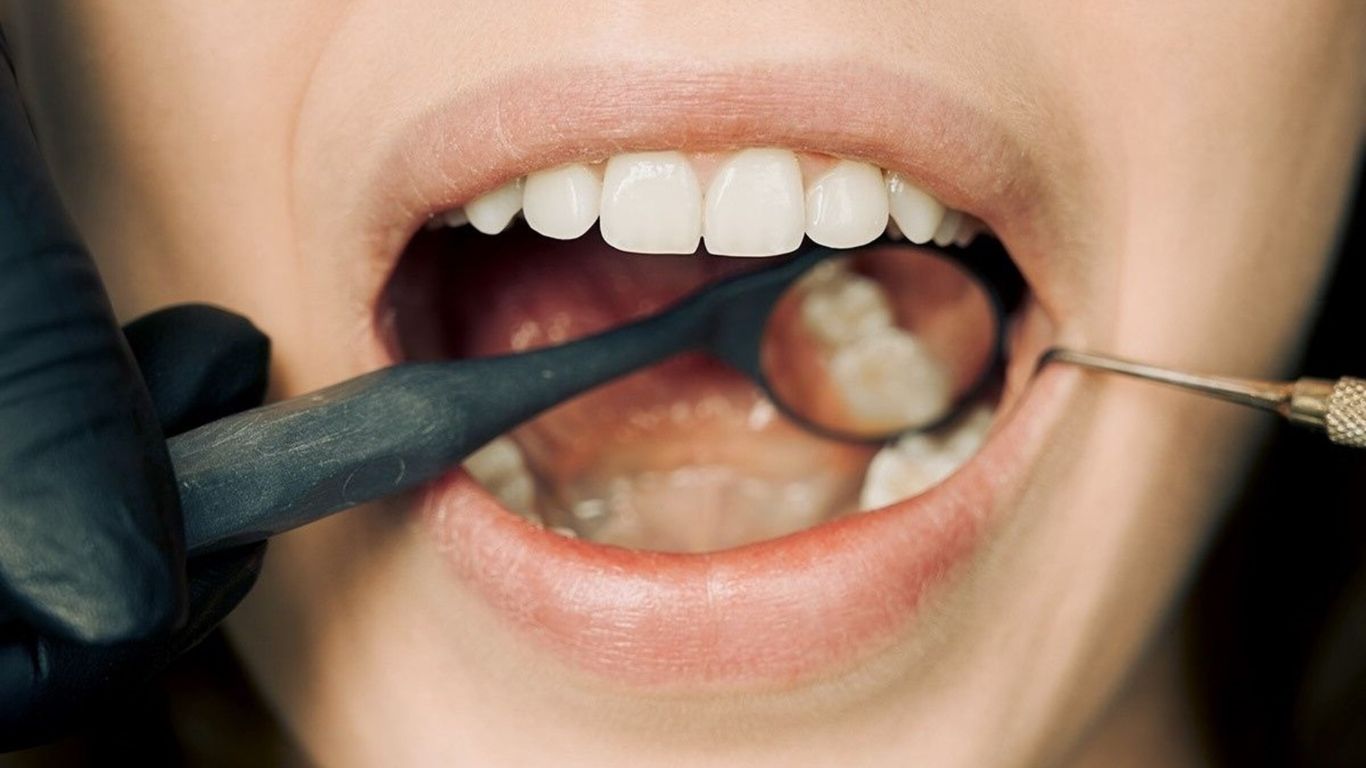
When a tooth is damaged or affected by decay, a dentist may consider different restorative options depending on the amount of remaining tooth structure and other clinical factors. Dental crowns and fillings serve different purposes, and this guide explains some of the main differences between them.
Understanding Dental Fillings
A dental filling is a restorative treatment that may be used for selected areas of decay or minor tooth damage. The procedure generally involves removing affected tooth structure and placing a restorative material in the prepared area.
Types of Filling Materials
- Composite resin: A tooth-coloured restorative material.
- Amalgam: A metal alloy historically used for dental restorations.
- Ceramic: A tooth-coloured material used for some restorations.
- Gold: A metal restorative material used in selected situations.
When Are Fillings Recommended?
Fillings may be considered for:
- Selected areas of tooth decay
- Minor chips or fractures
- Some areas of tooth wear, depending on the cause and extent
The amount of tooth preparation and number of appointments depend on the size, location and type of restoration required.
Understanding Dental Crowns
A dental crown is a restoration that covers a prepared tooth. Crowns may be considered when there is significant loss of tooth structure, fracture, a large existing restoration or another clinical indication.
Types of Crown Materials
- Porcelain or ceramic: Tooth-coloured materials used for some crowns
- Zirconia: A ceramic material used for selected anterior and posterior restorations
- Porcelain-fused-to-metal: A restoration combining a metal substructure with an outer porcelain layer
- Metal: May include gold or other dental alloys
When Are Crowns Recommended?
A crown is the preferred option when:
- There is extensive tooth decay or loss of tooth structure
- The tooth is cracked, fractured or significantly worn
- A tooth has undergone root canal treatment and requires further restoration
- A crown is being considered for selected restorative or cosmetic indications
- A conventional dental bridge requires support from neighbouring teeth
Key Differences Between Crowns and Fillings
| Feature | Dental Crown | Dental Filling |
|---|---|---|
| Purpose | Covers a prepared tooth where greater restoration is required | Replaces a selected area of damaged or decayed tooth structure |
| Material options | May include ceramic, zirconia, metal or porcelain-fused-to-metal | May include composite resin, amalgam, ceramic or gold |
| Tooth coverage | Covers the prepared visible portion of the tooth | Restores a selected area of the tooth |
| Longevity | Varies according to material, tooth condition, bite and maintenance | Varies according to material, restoration size, bite and maintenance |
| Treatment process | May require one or more appointments depending on the technique used | Appointment requirements depend on the type and size of restoration |
Pros and Cons of Dental Crowns and Fillings
Advantages of Dental Crowns
A crown may be considered where a larger portion of the tooth requires coverage or where the remaining tooth structure is not suitable for a direct filling.
Disadvantages of Dental Crowns
Considerations may include:
- Preparation of the tooth is required
- Treatment is irreversible once substantial tooth structure has been prepared
- Appointment requirements depend on the technique and restoration used
Advantages of Dental Fillings
Fillings may be appropriate where a selected area of the tooth can be restored without covering the entire visible portion of the tooth.
Disadvantages of Dental Fillings
Fillings may not be appropriate where there is extensive loss of tooth structure, a significant fracture or insufficient remaining tooth structure to support the restoration.
When Might a Crown Be Considered?
A crown may be considered when:
- There is extensive decay or loss of tooth structure
- A direct filling is not clinically suitable
- The tooth has a significant fracture
- Further restoration is required after root canal treatment
- The dentist determines that a full-coverage restoration is appropriate
When Might a Filling Be Considered?
A filling may be considered if:
- The affected area is suitable for a direct restoration
- There is sufficient remaining tooth structure
- The dentist determines that a filling is appropriate based on the extent and location of the damage or decay
Cost Comparison: Crowns vs. Fillings in Australia
The cost of dental restorations varies based on the material, location, and complexity of the procedure. The cost of a crown or filling varies according to factors such as the restoration material, tooth location, extent of treatment and individual clinical requirements. The clinic can provide a fee estimate after assessment. Private health insurance benefits vary between policies, so patients should check their individual cover directly with their insurer.
For accurate and real-time pricing, contact the dental team at Radiant Smiles Dental Bundoora.
Frequently Asked Questions
Can a filling be replaced with a crown?
A crown may be considered if an existing filling fails or there is insufficient remaining tooth structure for another direct restoration. Suitability depends on the condition of the tooth.
How long do crowns and fillings last?
The longevity of both crowns and fillings varies. Factors include the restorative material, size and location of the restoration, bite forces, remaining tooth structure, oral hygiene and ongoing dental care.
Which option is better for front teeth?
Treatment for a front tooth depends on the extent of damage, amount of remaining tooth structure, bite and treatment goals. A filling, crown or another option may be considered after assessment.
Do crowns and fillings stain over time?
Restorative materials can change in appearance over time, although the extent varies according to the material, surface condition and exposure to staining substances. A dentist can assess any noticeable changes during routine examinations.
How a Dentist Determines Which Restoration May Be Suitable
The choice between a dental crown and a filling depends on factors such as the extent and location of damage or decay, remaining tooth structure, bite, restorative material and individual clinical circumstances.
If you are unsure whether a filling, crown or another restorative treatment may be appropriate, a dental assessment can help identify the condition of the tooth and the available treatment options.