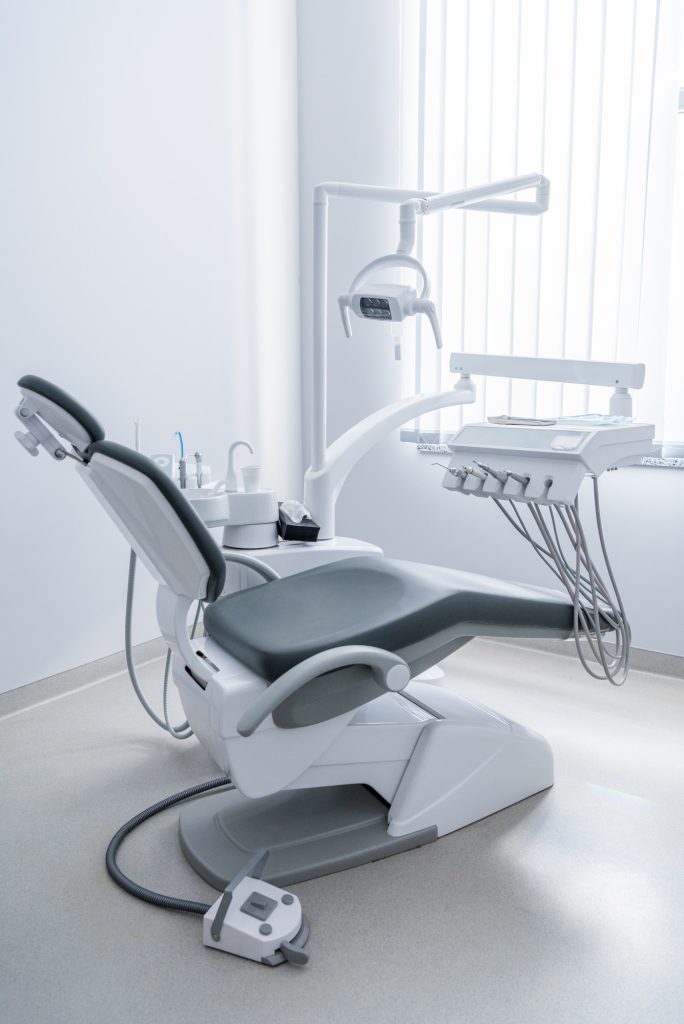
A routine dental check-up may identify decay, cracks, failing restorations or signs of infection before significant symptoms develop. Clinical examination and diagnostic imaging can help dentists assess problems that may eventually affect the dental pulp and determine whether monitoring or treatment is appropriate.
Root canal treatment is not always preceded by severe pain. Some conditions affecting the dental pulp may produce few or no obvious symptoms in their earlier stages.
This creates an important question: can a routine dental examination identify problems before they progress to the point where the tooth’s nerve becomes damaged?
In some cases, routine examination and diagnostic imaging may identify changes before severe symptoms develop.
A dental examination is not simply about cleaning plaque or checking for visible holes in teeth. It is an opportunity to assess the health of teeth, gums, restorations, bite patterns, and underlying structures that cannot always be seen or felt by the patient. In some cases, these assessments may identify changes that require monitoring, further investigation or treatment.
How Tooth Pulp Problems Can Develop Over Time
Some conditions affecting the dental pulp develop gradually, although the timing and progression vary depending on the cause.
A small area of decay may begin within the enamel. A filling may develop a gap after years of service. A crack may form from repeated chewing forces or teeth grinding. Bacteria can slowly move deeper into the tooth over time.
During these early stages, many patients continue eating, drinking, and functioning normally.
This is one reason routine examinations remain important. Pain, throbbing or signs of infection may occur after an underlying dental condition has been present for some time, although the timing varies considerably between patients and conditions.
What Dentists Are Actually Looking For During a Check-Up
Patients often assume the appointment focuses only on visible cavities.
A comprehensive examination involves much more.
Dentists assess a range of factors that may indicate future problems, including:
- Early decay around existing fillings
- Wear caused by grinding or clenching
- Fractures in tooth structure
- Changes in gum health
- Signs of infection around tooth roots
- Failing crowns or restorations
- Areas where food and bacteria repeatedly accumulate
- Changes visible on diagnostic X-rays
These findings help the dentist determine whether an area requires monitoring, further investigation or treatment.
During a regular dental check up and clean Bundoora, the dentist may identify changes that are not causing obvious symptoms at the time of examination.
Conditions That May Affect the Dental Pulp
Not every root canal begins with a large cavity.
Several different issues may eventually affect the tooth pulp, which contains nerves and blood vessels inside the tooth.
Deep Decay Beneath the Surface
Tooth decay can extend through enamel and dentine and, if sufficiently advanced, may affect the dental pulp.
Sometimes the visible opening appears relatively small while more extensive damage exists underneath.
Clinical examination and radiographs may identify deep decay even when symptoms are limited or absent.
Cracks That Are Difficult to See
Some tooth cracks may not be obvious without dental assessment.
A cracked tooth may have intermittent symptoms or, in some cases, few obvious symptoms.
Dentists often identify subtle warning signs through visual examination, magnification, bite testing, and patient history.
Depending on the location and extent of a crack, bacteria may gain access to deeper tooth structures, including the dental pulp.
Problems Around Existing Dental Work
Fillings, crowns and other restorations can remain functional for varying periods depending on the tooth, restoration and oral environment.
However, fillings, crowns, and other restorations do not last forever.
Changes can develop around restoration margins, and decay may occur in areas that are difficult to assess without examination or imaging.
Trauma From Past Injuries
A previously traumatised tooth can sometimes develop pulp or root-related changes after the original injury.
Internal tissue changes may occur even when the external tooth structure appears intact.
Routine reviews can help identify changes that warrant closer attention.
What Dental X-Rays Can Show
Dental X-rays may be recommended even when a tooth is not painful because some changes cannot be assessed through visual examination alone.
The reason is simple.
Symptoms do not always reflect what is happening inside a tooth.
Diagnostic imaging helps reveal areas hidden beneath the surface, including:
- Decay between teeth
- Bone changes around roots
- Bone or root-area changes that may be associated with infection
- Some structural changes that may require further investigation
- Previously treated teeth requiring review
- Changes around old restorations
Radiographs may identify decay, bone changes or problems around existing restorations before obvious symptoms develop.
This allows dentists to assess risk and discuss appropriate management options earlier.
How Earlier Detection May Affect Treatment Options
Finding a problem early does not automatically mean a root canal will be required.
In some situations, identifying a condition earlier may allow different management options to be considered.
For example, decay that has not reached the pulp may sometimes be managed with restorative treatment. Existing restorations may also require monitoring, repair or replacement depending on the clinical findings.
Identifying a concern provides an opportunity to discuss the available management options based on the tooth’s condition at that time.
Routine preventive care allows dentists to monitor oral health and identify changes over time.
The Difference Between Monitoring and Immediate Treatment
A dentist in Bundoora may sometimes recommend monitoring rather than immediate treatment, depending on the clinical findings.
This approach is often based on clinical judgement.
Not every finding requires urgent intervention.
Dentists may monitor:
- Small areas of wear
- Early-stage cracks
- Developing restorations concerns
- Minor radiographic changes
- Areas that show no active symptoms
Monitoring allows the dentist to compare findings over time and determine whether the condition remains stable or requires treatment.
At subsequent examinations, comparisons can be made to determine whether the condition has remained stable or changed.
Warning Signs That May Suggest Deeper Tooth Involvement
Although some nerve-related conditions develop quietly, certain symptoms deserve prompt attention.
These may include:
- Lingering sensitivity to hot or cold
- Pain when biting
- Unexplained swelling
- Discomfort that wakes you at night
- Darkening of a tooth
- Persistent tenderness
- A pimple-like swelling on the gum
These symptoms do not automatically mean a root canal is necessary. However, they warrant professional assessment to determine the underlying cause.
Where dental pulp infection or significant nerve involvement is identified, the dentist may discuss whether root canal treatment in Bundoora or another treatment option is appropriate.
Why Some Dental Problems Cause Few Symptoms
Pain does not always appear early in the course of a dental condition.
The reality can be quite different.
Some teeth with significant structural damage, decay or pulp-related disease may have limited or no obvious pain.
The nerve may gradually lose vitality without producing obvious symptoms. In other cases, infection develops around the root tip while the tooth itself feels relatively normal.
The absence of pain should not be assumed to mean the absence of disease.
The Role of Routine Dental Examinations
Preventive care approaches oral health differently.
Regular examinations allow dentists to identify changes, compare findings over time and provide guidance based on the current clinical findings.
Some dental conditions begin with limited signs or symptoms. Identifying changes during examination may provide additional information about whether monitoring, further investigation or treatment is appropriate.
Dental Care Across Melbourne’s Northern Suburbs
Patients from surrounding communities can attend Radiant Smiles Dental Bundoora for routine dental examinations, professional cleans and assessment of existing dental concerns.
Patients from Watsonia, Greensborough and Macleod can attend the clinic for routine dental reviews, professional cleans and monitoring of existing restorations.
Patients also attend from Eltham, Mill Park, Lalor, Thomastown, Reservoir and Rosanna for general dental care and assessment.
Frequently Asked Questions
Can a tooth need a root canal even if it feels completely normal?
Yes. Some conditions affecting the dental pulp can develop with few or no obvious symptoms. Clinical examination and diagnostic imaging may identify changes even when the tooth is not painful.
Why would a dentist recommend X-rays if nothing hurts?
X-rays can provide information about structures that cannot be fully assessed through visual examination alone, including decay between teeth, bone changes and changes around roots or existing restorations.
Can a routine examination detect a cracked tooth?
Sometimes. Dentists may assess tooth structure, symptoms, bite responses and other clinical findings that can indicate a possible crack. Some cracks can be difficult to identify and may require further investigation.
If a problem is found, will I automatically need treatment immediately?
Not always. Some findings require monitoring rather than immediate intervention. Recommendations depend on the severity, stability, and progression risk of the condition.
Is it possible for a small cavity to eventually affect the tooth nerve?
Yes. Tooth decay can extend through enamel and dentine and, if it progresses far enough, may eventually affect the dental pulp.
Disclaimer: The information in this article is intended for general educational purposes only and should not be considered individual dental advice. Dental conditions can progress differently from person to person, and symptoms do not always reflect the severity of an underlying issue. If you have concerns about tooth pain, sensitivity, decay, or possible infection, seek assessment from a qualified dental professional for personalised guidance.