Many people expect dental visits to feel painful, rushed or uncomfortable, particularly if they have had difficult experiences in the past.
That fear is often shaped by:
- Old dental experiences
- Stories from family members
- Online videos
- Childhood memories
- Long gaps between appointments
- Fear of losing control in the chair
Some people delay treatment for months or years because they imagine modern dentistry still feels the way it did decades ago.
Dental treatment can involve pressure, sensitivity or discomfort depending on the procedure. Communication, treatment pacing and explaining what to expect can help patients understand what is happening during an appointment.
Patients Often Expect the Dentist to Start Treatment Immediately
A common misconception is that dental appointments begin with drilling or invasive treatment the moment someone sits down.
In reality, many appointments begin with conversation and assessment first.
Dentists commonly spend time:
- Reviewing symptoms
- Looking at X-rays
- Discussing what the patient is experiencing
- Explaining possible causes
- Talking through treatment options
- Checking comfort levels before proceeding
People searching for a supportive dentist Macleod are often looking for communication style and trust just as much as technical dental care.
What to Expect With Local Anaesthetic
A large proportion of dental fear is connected to memories of injections.
Patients frequently expect:
- Immediate sharp pain
- Sudden numbness
- Loss of control
- Long-lasting discomfort afterwards
Local anaesthetic techniques may include approaches intended to manage discomfort during administration.
Depending on the situation, dentists may:
- Use numbing gel before injections
- Deliver anaesthetic gradually
- Wait longer for full numbness
- Check sensation before treatment begins
- Adjust approaches depending on patient response
This is particularly important for patients who previously delayed treatment due to fear around procedures such as root canal treatment or restorative dental work.
Patients Sometimes Confuse Pressure With Pain
One reason people become anxious during dental procedures is uncertainty about what they are supposed to feel.
Even when a tooth is numb, patients may still notice:
- Vibration
- Pressure
- Water spray
- Pulling sensations
- Movement around the tooth
This does not automatically mean something is wrong or that the anaesthetic has failed.
Many people expect complete absence of sensation altogether, so normal pressure can feel alarming if they are unprepared for it.
Modern dental communication often includes explaining the difference between:
- Pressure
- Touch
- Sensitivity
- Sharp pain
This distinction helps patients understand what is expected during treatment and when they should let the dentist know that something feels uncomfortable.
What Can Help During a Dental Appointment
Patients who have not attended a dental clinic for years sometimes expect:
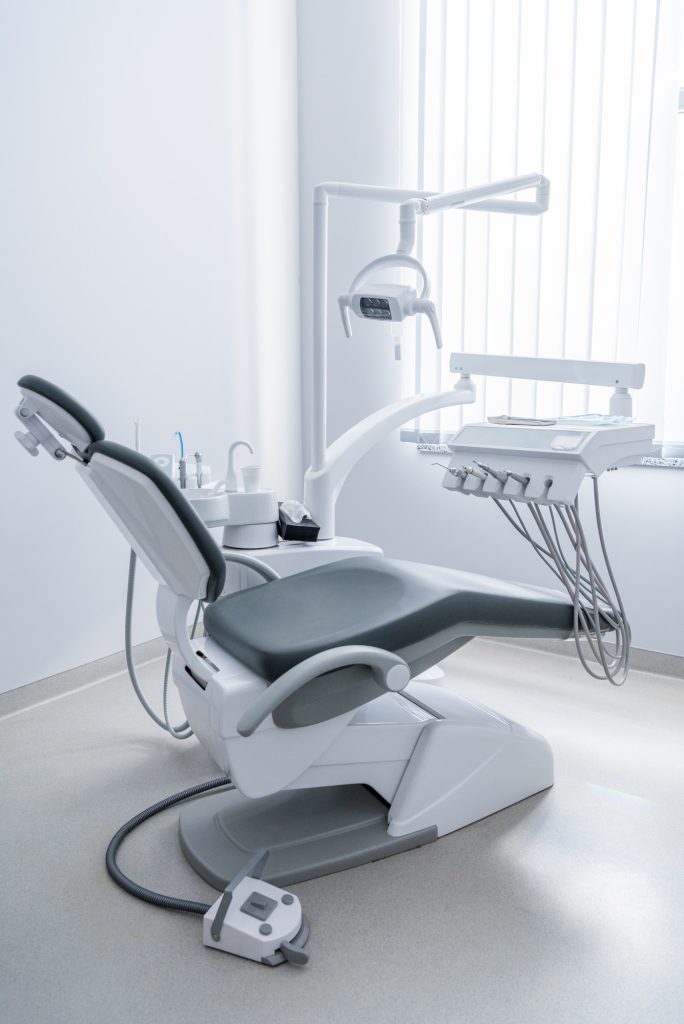
- Bright surgical lighting
- Harsh communication
- Cold interactions
- Fast-paced treatment
- Judgment about oral health
Instead, many modern clinics focus on helping patients feel informed and settled before treatment begins.
Simple factors can influence this experience significantly:
- Being spoken to calmly
- Having procedures explained step-by-step
- Being able to pause during treatment
- Understanding what is happening next
- Knowing how long procedures are likely to take
Patients looking for a dental clinic Macleod may consider factors such as communication, treatment explanations and the ability to ask questions when choosing a clinic.
Dental Visits Are Not Always “All or Nothing”
Another misconception is that attending a dental appointment automatically means major treatment will happen immediately.
In many situations, the first visit is primarily diagnostic.
The appointment may involve:
- Examination
- Imaging
- Treatment planning
- Monitoring
- Preventive advice
- Discussion of priorities
Some conditions require urgent treatment, but others can be staged gradually depending on the clinical situation.
Discussions around why some patients worry about being rushed into crowns or bridges frequently reflect this concern about losing control over decisions.
People Commonly Overestimate How Embarrassing the Appointment Will Feel
Shame is one of the biggest reasons adults postpone dental care.
Patients often worry dentists will react negatively to:
- Broken teeth
- Bleeding gums
- Long gaps between appointments
- Smoking-related staining
- Grinding damage
- Poor oral hygiene during stressful periods
In practice, dental professionals regularly see patients with a wide range of oral health conditions and personal circumstances.
The appointment is usually focused on:
- Assessing the current condition
- Identifying causes
- Explaining findings
- Discussing management options
This pattern is especially common among people who delayed care due to anxiety, parenting responsibilities, work pressures, or previous difficult experiences.
How Dental Technology and Materials Have Changed
Modern dental materials and technology have altered how many procedures are performed.
Depending on the treatment involved, changes over time may include:
- Digital and other dental imaging
- Smaller restorations
- Changes in bonding materials
- More conservative approaches
- Digital scanning technology
- Changes in temporary restorative materials
Patients returning after a long gap sometimes compare current treatment very differently from what they remember years earlier.
The Emotional Build-Up Before the Appointment Can Be the Hardest Part
A recurring theme in online patient discussions is that anticipation itself can become stressful.
Patients describe:
- Losing sleep before appointments
- Imagining worst-case scenarios
- Rehearsing painful experiences repeatedly
- Expecting criticism
- Feeling physically tense before entering the clinic
This does not mean dental anxiety is irrational or unimportant. Fear responses are real physiological reactions.
Understanding how an appointment is structured may help some patients know what to expect before attending.
How Delaying Dental Care Can Affect Anxiety
Avoiding dental appointments can sometimes contribute to ongoing uncertainty or anxiety about future visits.
The longer a person waits:
- The more they imagine treatment becoming severe
- The more uncertainty develops
- The more symptoms fluctuate
- The more pressure they place on the appointment emotionally
Some patients eventually seek treatment only once pain interrupts eating, sleeping, or concentration.
Patients experiencing escalating symptoms may also benefit from understanding why some dental pain becomes more noticeable overnight or when persistent discomfort may indicate warning signs requiring dental assessment.
Dental Care Across Melbourne’s Northern Suburbs
Patients from nearby suburbs including Macleod, Watsonia, Greensborough, and Eltham attend the clinic for preventive, restorative and general dental care.
Some patients begin with simple examinations and treatment planning discussions before deciding on further care. Others attend because symptoms such as sensitivity, broken teeth, or discomfort while chewing have gradually become more difficult to ignore.
Patients wanting to understand how modern dentistry approaches nervous patients may also find it helpful to read about how dentists can support people with dental anxiety and what to expect during treatment to repair damaged teeth.
Frequently Asked Questions
Why do people become more afraid of the dentist after avoiding appointments for years?
Avoiding dental appointments can sometimes increase uncertainty about what treatment may involve. Symptoms may also change over time, which can make it harder to know what to expect without an assessment.
Can I ask the dentist to stop during treatment?
Modern dental appointments commonly involve communication throughout the procedure.
Patients can discuss communication signals with their dentist before treatment and should let the dental team know if they experience discomfort or need a pause.
Disclaimer: This article is intended for general educational purposes only and does not replace personalised dental advice. Individual experiences with dental treatment can vary depending on oral health conditions, anxiety levels, and the type of procedure involved. Patients should consult a qualified dental professional for assessment and personalised recommendations.