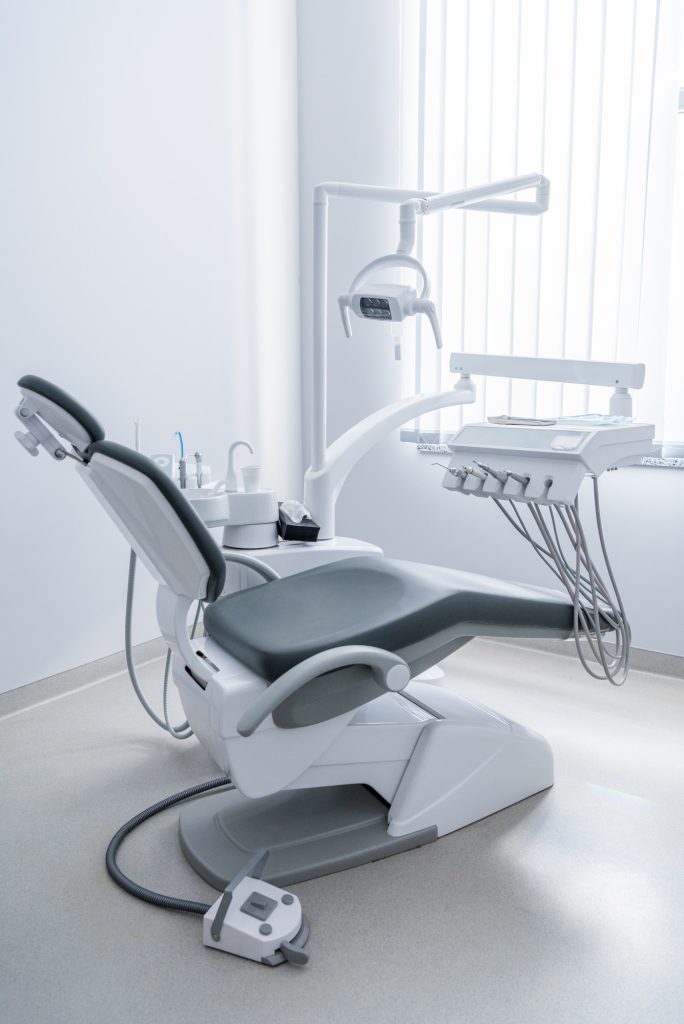
Root canal treatment may be recommended when the dental pulp becomes inflamed or infected. The pulp contains nerves, blood vessels and connective tissue, and damage or infection can cause pain and other dental symptoms.
Only a dentist can determine whether root canal treatment is required. Certain symptoms may indicate a problem involving the dental pulp and should be professionally assessed.
1. Persistent Tooth Pain
One of the clearest indicators of a problem is ongoing tooth pain. This pain might feel sharp, dull, or throbbing, and it can occur when chewing, applying pressure, or even at rest.
Toothache can have many causes. Persistent pain may be associated with inflammation or infection of the dental pulp and should be assessed to determine the underlying cause and appropriate treatment.
2. Sensitivity to Hot and Cold
Lingering sensitivity to hot or cold may indicate a problem involving the dental pulp, although sensitivity can have several possible causes.
Persistent or worsening sensitivity should be assessed by a dentist to determine the cause.
3. Swollen or Tender Gums
Infection associated with a tooth may cause swelling, tenderness, pus or a small pimple-like swelling on the gum near the affected tooth. These symptoms may be associated with a dental abscess and warrant assessment.
If swelling or tenderness persists, recurs or is accompanied by pain, pus or fever, arrange dental assessment.
4. Darkening or Discolouration of the Tooth
A tooth that becomes darker or grey may have experienced trauma, pulp-related changes or another dental condition.
Tooth discolouration can have several causes. A dentist can assess whether the colour change is related to surface staining, trauma, decay, pulp changes or another condition.
5. Tooth Feels Loose
New movement in an adult tooth should be assessed by a dentist. Possible causes include gum disease, changes in the supporting bone, trauma, infection or other dental conditions.
6. Severe Decay or Damage
Extensive decay, cracks, fractures or previous dental treatment can sometimes affect the dental pulp. Root canal treatment may be considered if the pulp becomes irreversibly inflamed or infected.
Where clinically appropriate, root canal treatment may be considered as an alternative to extraction.
7. Facial Swelling or Abscess
Facial or jaw swelling may be associated with a dental abscess or another infection and should be assessed promptly. Symptoms can include pain, swelling, pus, fever or a bad taste in the mouth. Difficulty breathing, significant difficulty swallowing or rapidly increasing facial or neck swelling may require urgent medical assessment.
What Root Canal Treatment Involves
Root canal treatment involves removing inflamed or infected pulp tissue, cleaning and shaping the root canal system and sealing the treated tooth. Without this treatment, the infection can spread to surrounding teeth, gums, and even the jawbone.
Root canal treatment may allow a tooth to remain in place where it is clinically suitable to retain it. In other cases, extraction may be recommended depending on the condition of the tooth and surrounding tissues.
Routine Dental Care and Pulp Health
Routine check-ups and cleans allow dentists to assess the teeth, gums and existing restorations and identify changes that may require monitoring or treatment.
Oral hygiene and dietary habits are also relevant to tooth decay risk. General measures include brushing twice daily with fluoride toothpaste, cleaning between the teeth and limiting frequent exposure to sugary foods and drinks.
FAQs About Root Canal Treatment
Is a root canal painful?
Root canal treatment is commonly carried out using local anaesthetic. Sensations during and after treatment vary between patients, and tenderness or discomfort may occur afterwards.
How long does recovery take?
Recovery varies between patients and depends on factors such as the condition of the tooth and the treatment performed. Your dentist can provide aftercare instructions based on your individual circumstances.
What happens if I delay treatment?
If a tooth has an untreated pulp infection, the condition may progress and can sometimes be associated with abscess formation or changes in the tissues around the tooth. The appropriate timing and treatment should be determined following dental assessment.
Can a root canal save any tooth?
Not every tooth is suitable for root canal treatment. Factors such as the amount of remaining tooth structure, root condition, cracks, periodontal support and restorability can influence whether root canal treatment or extraction is considered appropriate.
When to Arrange a Dental Assessment
Symptoms such as persistent pain, prolonged sensitivity, swelling, tooth discolouration or changes around a tooth may have several possible causes. A dental assessment can help determine whether root canal treatment or another form of care may be appropriate.
If you have symptoms that may involve the dental pulp, you can learn more about root canal treatment or review the services available at Radiant Smiles Dental Bundoora.
Disclaimer:
The information provided in this blog is for general educational purposes only and should not be taken as medical advice. It is not a substitute for professional diagnosis, treatment, or care. Always seek the guidance of your doctor or other qualified healthcare professional with any questions you may have regarding your health or medical condition.