Parents sometimes delay dental visits for children due to fear, uncertainty, difficult past experiences or concerns about how their child will cope. Early dental appointments can help monitor oral development, discuss preventive care and familiarise children with the dental environment.
Parents rarely avoid booking a dental appointment because they do not care about their child’s teeth. In most cases, the hesitation comes from uncertainty, timing, stress, or previous experiences that still feel uncomfortable years later.
Some families worry their child will become frightened during the appointment. Others assume baby teeth are temporary and less important. There are also parents who had difficult dental experiences themselves and unintentionally carry those anxieties into decisions about their children’s care.
Online discussions about family dentistry often reveal the same pattern. Parents know preventive dental care matters, but many delay the first visit until there is pain, visible damage, or an urgent concern.
Understanding why this happens can help families approach dental care differently and with less pressure.
Why the First Dental Appointment Can Feel Uncertain for Parents
Adults usually walk into a dental clinic carrying years of assumptions and memories. Young children do not necessarily have those same expectations unless they absorb them from conversations, reactions, or visible nervousness at home.
Parents frequently describe worrying about:
- Their child crying during the visit
- Their child refusing to open their mouth
- A dentist “forcing” treatment
- Being judged for their child’s oral hygiene
- Their child developing long-term fear
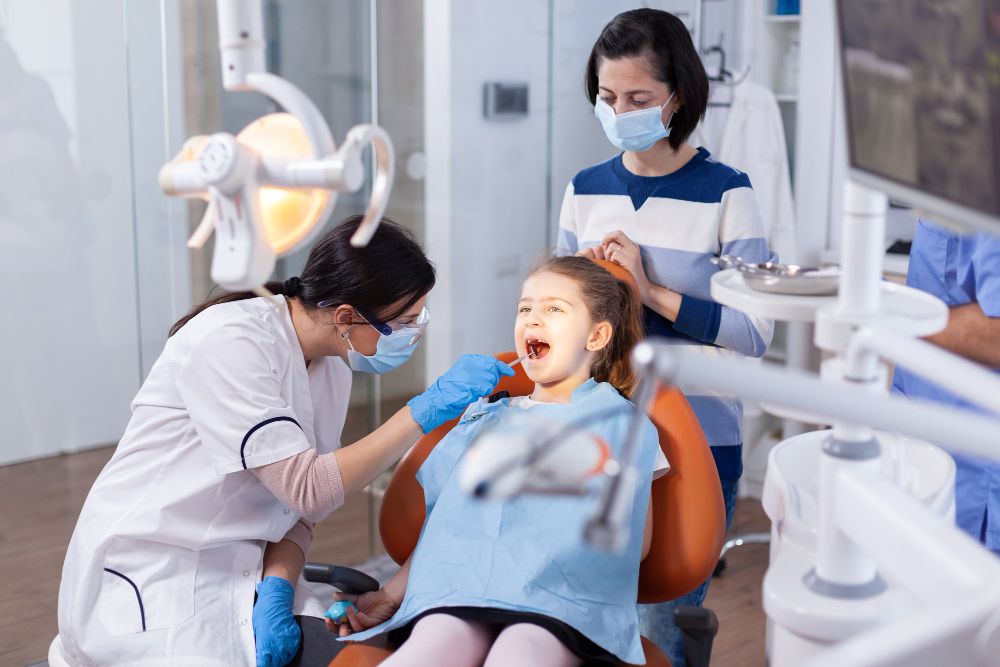
In reality, early dental visits are commonly very simple. The focus is often on helping the child become familiar with the environment, introducing the dental chair gradually, and checking how the teeth and gums are developing.
A family-focused appointment may involve:
- Counting teeth
- Looking for early signs of decay
- Discussing brushing habits
- Checking bite development
- Talking about dummy use or thumb sucking
- Identifying areas that are difficult to clean
Families looking for dental care near Eltham may consider factors such as communication style, appointment pacing and how the dental team explains treatment to children.
Some Parents Wait Because There Does Not Seem to Be a Problem Yet
One of the most common misconceptions around children’s dental care is the idea that appointments are only necessary once pain develops.
Baby teeth eventually fall out, which can create the impression that early dental problems are temporary or less important. However, children’s oral health still plays a role in:
- Eating comfortably
- Speech development
- Sleep quality
- Jaw development
- Space for adult teeth
Small areas of decay can also progress more quickly in children than many parents expect.
Families sometimes discover problems during routine appointments even though the child never complained of discomfort. Children do not always recognise or communicate early dental symptoms clearly, especially if the issue develops gradually.
This is one reason preventive care is usually approached differently from emergency dental care. Monitoring changes over time can help the dentist identify whether preventive care, treatment or continued observation may be appropriate.
Parents Often Carry Their Own Dental Experiences Into Family Decisions
Online discussions about family dentistry often mention childhood fear and negative memories linked to previous dental experiences. Some adults describe avoiding dentists for years after painful treatment as children.
That history can quietly influence how parents think about their child’s appointment.
A parent who feels nervous about dental clinics may:
- Delay booking
- Avoid discussing dental visits at home
- Appear visibly anxious before appointments
- Cancel visits when their child becomes upset
- Assume the child will have the same negative experience
Children are often highly responsive to emotional cues from adults around them. Even subtle tension can shape how they interpret unfamiliar situations.
Dental teams may use age-appropriate communication, gradual introductions and other approaches to help children understand what is happening during an appointment. In many clinics, appointments are adjusted based on the child’s comfort level rather than forcing treatment immediately.
Families seeking dental care near Eltham may look for a clinic where children are spoken to in age-appropriate language and parents are included in discussions about care.
Dental Anxiety in Children Does Not Always Start Inside the Clinic
Some children become nervous before they ever sit in a dental chair.
This can happen through:
- Hearing adults talk negatively about dentists
- Watching siblings feel distressed
- Seeing dramatic dental videos online
- Associating doctors or clinics with injections or illness
- Experiencing sensory sensitivity or difficulty with unfamiliar environments
Some children with strong gag reflexes, sensory sensitivities or other individual needs may benefit from adjustments to the pace or communication used during dental appointments.
It simply means the dental team may need to adapt communication and expectations appropriately.
Scheduling Dental Visits Can Feel Difficult for Busy Families
Not all delays are emotional.
Family schedules can make preventive healthcare difficult to maintain consistently. Parents may be balancing:
- School routines
- Shift work
- Multiple children
- Sports and extracurricular activities
- Medical appointments
- Financial pressures
- Sleep disruption with younger children
When a child appears comfortable and pain-free, dental visits can gradually move lower on the priority list.
Some oral health concerns can change over time, even when a child has no obvious symptoms. If parents are unsure whether a concern needs assessment, a dentist can advise whether monitoring or an appointment is appropriate.
It simply reflects how easily preventive care can be postponed when daily life becomes demanding.
Why Children Sometimes Behave Differently at the Dentist Than Parents Expect
Parents occasionally avoid appointments because they assume their child “will never cooperate.”
Particularly when:
- The appointment is introduced calmly
- The child is not overwhelmed with warnings beforehand
- The family dentist in Bundoora explains things gradually
On the other hand, repeatedly telling a child “it won’t hurt” before a routine examination can unintentionally create fear because the child begins expecting something painful.
Parents may prefer simple, neutral explanations such as:
- “The dentist will count your teeth.”
- “They’ll check how your teeth are growing.”
- “You can ask questions if you want.”
For younger children especially, familiarity and predictability often matter more than technical explanations.
Preventive Visits and Emergency Dental Care Serve Different Purposes
Regular check-ups provide opportunities to monitor dental development, discuss oral hygiene and identify concerns that may require further assessment.
A child who only visits the dentist when something hurts may begin associating dental care exclusively with discomfort or fear.
Routine visits create opportunities to:
- Build familiarity gradually
- Identify issues earlier
- Discuss brushing challenges
- Monitor bite and tooth eruption
Supporting Children Through Dental Appointments at Home
Parents can use simple, age-appropriate communication to help children know what to expect before a dental appointment.
Helpful communication approaches can include:
- Avoid using dental treatment as a threat or punishment
- Let children ask questions honestly
- Keep explanations calm and age-appropriate
- Avoid sharing frightening personal stories
- Treat dental appointments as a normal part of healthcare
Parents may use books, pretend play or simple role-playing to explain what may happen during a dental appointment.
Family Dental Care Across Melbourne’s Northern Suburbs
Families from surrounding areas can attend Radiant Smiles Dental Bundoora for preventive dental care, children’s dental assessments and other age-appropriate dental treatment.
Patients from nearby suburbs including Reservoir, Thomastown, Greensborough, and Eltham attend the clinic for family dental care.
Some parents seek early dental guidance before their child develops concerns around treatment, while others book appointments after noticing brushing difficulties, sensitivity, or changes in eating habits. Ongoing local dental care allows the dental team to monitor changes in a child’s teeth and gums over time.
Parents wanting to understand more about children’s oral health development can also read about why children may still benefit from dental visits even when teeth appear healthy and common questions around fluoride use for children.
When It May Help to Arrange a Dental Appointment Sooner
Parents may consider booking an earlier dental assessment if they notice:
- Tooth sensitivity
- Pain while eating
- Bleeding gums
- Dark spots on teeth
- Difficulty brushing certain areas
- Swelling around the gums
- Ongoing thumb sucking affecting bite development
- Broken or chipped teeth
Some signs are subtle initially, especially in younger children who may not describe discomfort clearly.
Assessment does not always mean treatment is required immediately. Depending on the findings, the dentist may recommend monitoring, preventive care or treatment.
Frequently Asked Questions
What age should children first see a dentist?
Many dental organisations recommend introducing children to dental care within the first few years of life or once teeth begin appearing. Early visits commonly focus on monitoring dental development, discussing preventive care and introducing the child to the dental setting.
What if my child refuses to sit in the dental chair?
Children respond differently depending on age, personality, and previous experiences. Some appointments may involve gradual introductions rather than full examinations immediately. The dental team may adapt the appointment according to the child’s age, behaviour and ability to participate on the day.
Can dental anxiety run in families?
Children may respond to the way dental visits are discussed by parents, siblings or others around them. Using neutral, age-appropriate language can help explain what to expect before an appointment.
Disclaimer: This article is intended for general educational purposes only and does not replace personalised dental advice. Every child’s dental development, behaviour, and treatment needs are different. Parents should consult a qualified dental professional for individual assessment and recommendations regarding their child’s oral health.