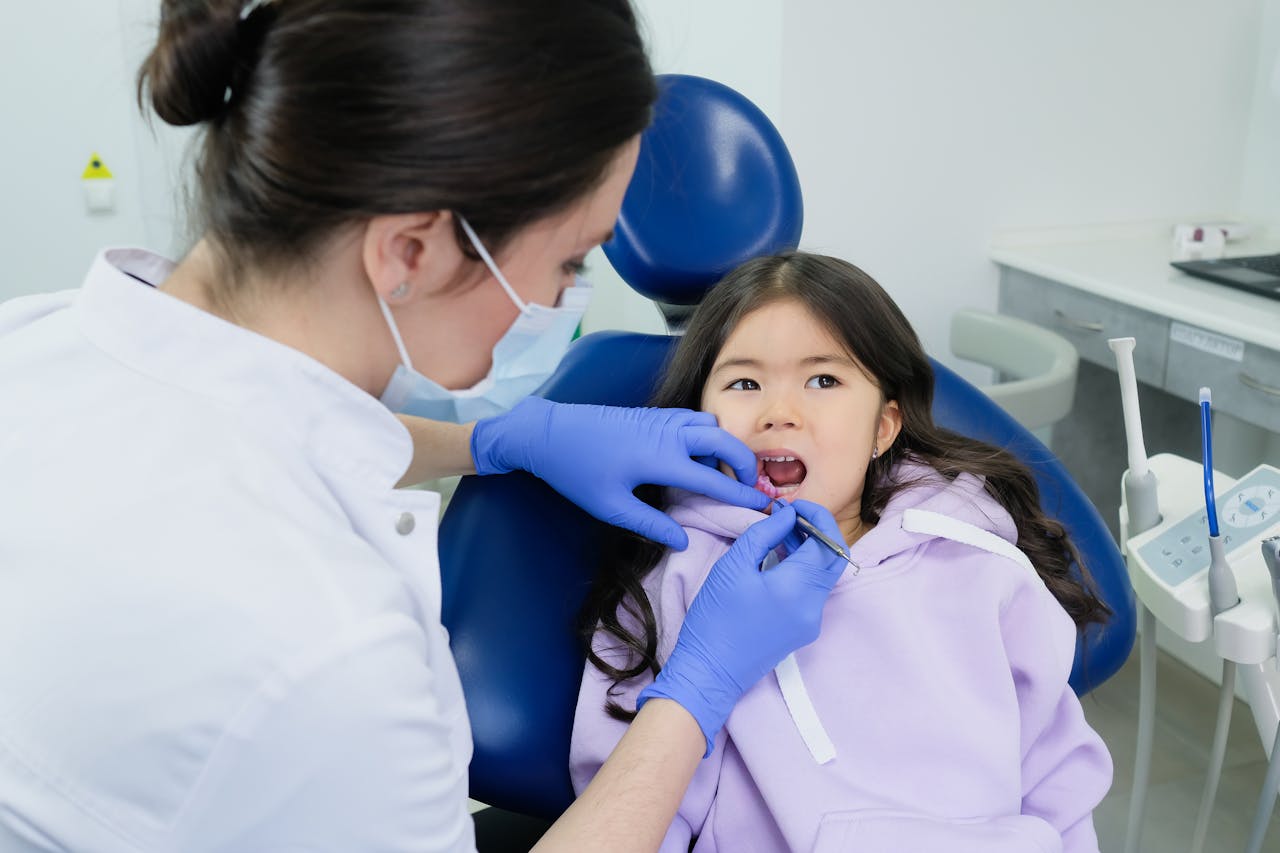
Parents may assume a child only needs to see a dentist in Bundoora when something looks wrong. However, early dental visits allow dentists to monitor tooth development, identify concerns that may not be visible at home and provide preventive guidance. Even when teeth appear healthy, routine check-ups can help monitor changes as children grow.
Many parents delay their child’s first dental appointment because their child’s teeth appear healthy. If there are no signs of cavities, pain, or visible problems, it can seem reasonable to wait.
However, paediatric dentists may recommend early check-ups even when everything looks normal. Children’s teeth develop quickly, and many dental changes occur below the surface before parents notice anything unusual.
A routine dental visit allows dentists to monitor development, provide preventive guidance, and help children become familiar with the dental environment.
Families exploring preventive dental care can also learn about CDBS dental services in Bundoora for eligible children.
Why Healthy-Looking Teeth Can Still Need a Check-Up
A child’s teeth may appear healthy to the eye while small changes are developing underneath. Dentists are trained to identify early signs of dental issues before they become more noticeable.
During routine visits, dentists often check for several important factors.
Tooth Development
Children’s teeth grow and change rapidly. Dentists monitor how teeth are erupting and whether there are any alignment or spacing concerns.
Early observation can help dentists guide parents on what to expect as permanent teeth begin to develop.
Early Signs of Tooth Decay
Early tooth decay may begin as areas of demineralisation that are difficult to identify at home. A dental examination can help identify these changes and allow the dentist to discuss preventive care or monitoring where appropriate.
Bite and Jaw Development
The way the teeth and jaws develop can affect the bite and tooth position over time. Dentists may evaluate bite patterns and jaw development during early check-ups.
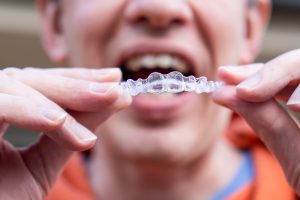
Parents interested in understanding how dentists assess bite alignment may also find useful information in this guide explaining the difference between Invisalign and traditional braces.
Preventive Care Often Happens Before Problems Appear
Preventive care is an important part of children’s dentistry. Rather than waiting for symptoms to appear, dentists can monitor developing teeth and discuss measures that may reduce the risk of dental problems.
Preventive dental care may include:
- Professional cleaning where plaque or calculus removal is required
- Fluoride treatment where clinically appropriate
- Fissure sealants to help reduce the risk of decay in susceptible grooves
- Guidance on brushing, oral hygiene and diet
- The preventive care recommended will depend on the child’s age, oral health and individual risk factors.
What Can Happen During an Early Dental Visit
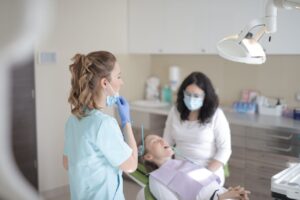
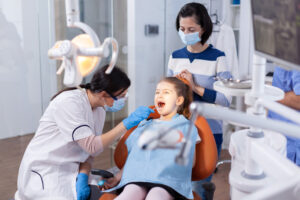
An early dental appointment may focus on examining the developing teeth and gums, providing preventive guidance and introducing the child to the dental setting.
A typical early visit may include:
- Meeting the dental team
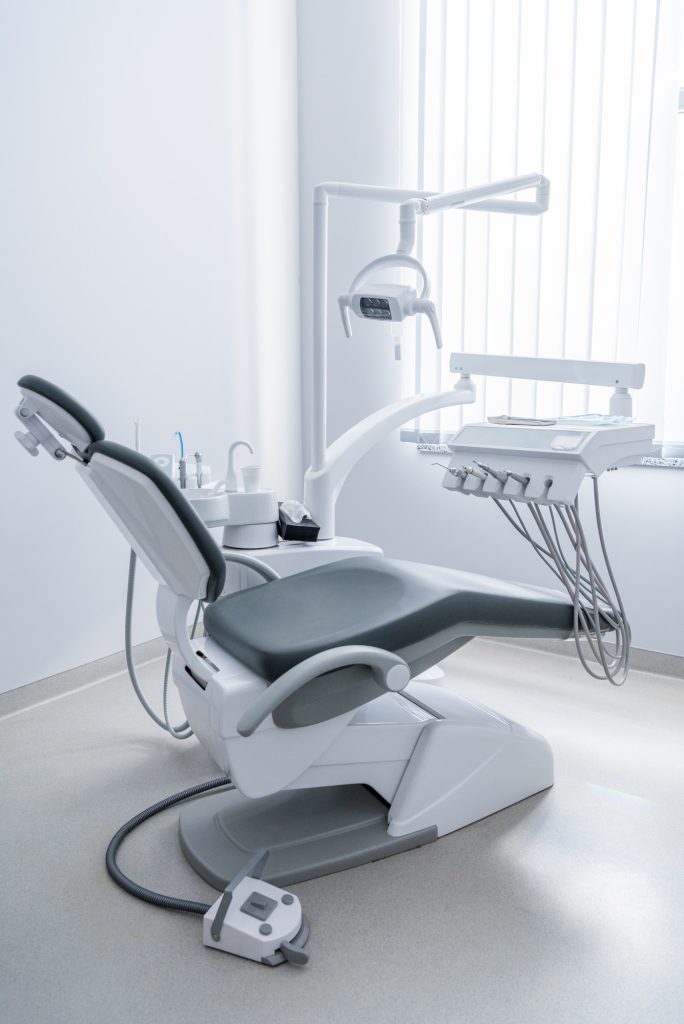
- Becoming familiar with the treatment room and dental chair
- An age-appropriate examination of the teeth and gums
- Oral hygiene advice for parents or carers
What Dentists Look for During a Child’s Check-Up
A child’s dental examination usually involves several steps designed to monitor oral health and development.
Dentists may check:
- How Teeth Are Erupting
- Signs Of Early Decay
- Gum Health
- Jaw Growth
- Bite Alignment
These observations help dentists determine whether any preventive measures or monitoring are needed.
If a dentist identifies tooth decay or damage, they may discuss whether monitoring or treatment is appropriate. Parents can also read about treatment approaches used to repair a damaged tooth.
When Should Children Have Their First Dental Visit?
Parents often ask when their child should first see a dentist. The timing can depend on the child’s age, dental development and individual circumstances.
Early visits allow dentists to:
- Monitor how teeth are developing
- Provide guidance on brushing habits
- Identify risk factors for tooth decay
- Support preventive care
The content and pace of an early appointment can be adapted according to the child’s age, needs and ability to participate.
Clinics Serving Families Across Melbourne’s Northern Suburbs
Radiant Smiles Dental Bundoora provides children’s dental care for families from Bundoora and nearby communities including Eltham, Greensborough, Lalor, Macleod, Mill Park, Reservoir, Rosanna, Thomastown and Watsonia.
Local dental access can make it easier for families to maintain routine check-ups as children grow.
Questions Parents Often Ask About Children’s Dental Check-Ups
What if my child’s teeth look completely healthy?
Even when teeth appear healthy, dentists can monitor development and provide preventive guidance during routine check-ups.
Will the first visit involve treatment?
The first appointment may involve an examination of the teeth and gums and discussion of preventive care. Whether treatment is required depends on the findings and the child’s individual needs.
How often should children see a dentist?
The recommended frequency may vary depending on the child’s oral health and risk factors. Dentists can provide personalised advice based on the child’s dental development.
How Can Early Dental Visits Support Preventive Care?
Early visits allow the dentist to assess tooth development and decay risk and provide age-appropriate advice about brushing, diet, fluoride and other preventive measures where appropriate.
What happens if a cavity is found?
If tooth decay is identified, the dentist will assess its extent and discuss whether monitoring, preventive care or treatment such as a filling may be appropriate.
Monitoring Children’s Oral Health as They Grow
Children’s teeth and gums change as they grow, and dental visits allow dentists to monitor that development. Even when teeth appear healthy, routine examinations can identify concerns that may not be obvious at home and provide an opportunity to discuss preventive care.
Disclaimer: This article provides general educational information about preventive dental visits for children. Every child’s oral health and development can differ, and recommendations for dental check-ups may vary depending on individual circumstances. Parents should consult a qualified dental professional for personalised advice regarding their child’s oral health and preventive care needs.