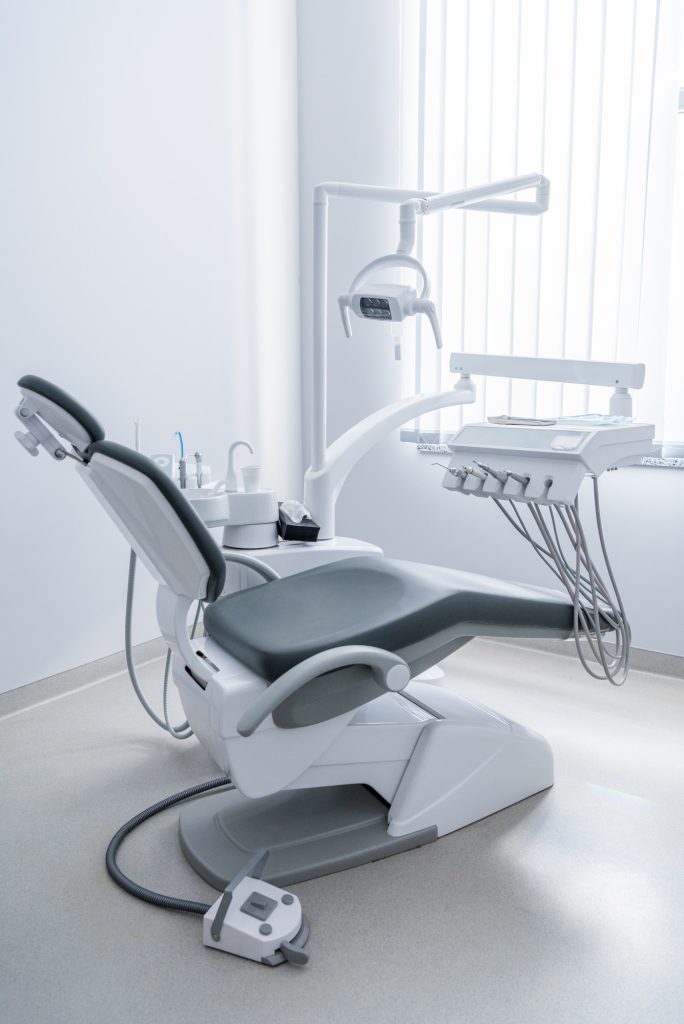
Dental anxiety can involve nervousness, stress or fear associated with dental visits. For some people, these feelings may contribute to delaying or avoiding dental care.
If you are looking for a Bundoora dentist and experience dental anxiety, you can discuss your concerns with the dental team before treatment begins. Depending on your needs, the appointment may include additional explanation, agreed pauses or other adjustments to the treatment process.
What Is Dental Anxiety?
Dental anxiety refers to fear, distress, or worry associated with dental visits. For some people it’s a mild unease. For others, it can feel overwhelming enough to lead to long-term avoidance.
Factors that may contribute to dental anxiety include:
- Past painful or rushed dental experiences
- Fear of needles, drilling, or unfamiliar sensations
- Feeling a loss of control in the chair
- Worry about being judged for the condition of your teeth
- Sensitivity to sounds, smells, or bright lights
If you experience dental anxiety, tell the dental team before treatment begins so they can discuss your concerns, consent and any appropriate adjustments to the appointment.
How Dental Anxiety Can Affect Your Oral Health
Delaying dental assessment may allow some oral health conditions to change or progress without being identified.
Depending on the underlying condition, delayed assessment may mean:
- Tooth decay or gum disease progresses before it is identified
- Dental pain develops or worsens
- A different treatment approach is required when the condition is assessed later
Depending on your oral health needs, an appointment may begin with an examination or routine check-up and clean before any further treatment is discussed.
If you have symptoms that may indicate an infection, this guide to warning signs of a dental infection explains symptoms that may warrant dental assessment.
What Can a Dentist Do to Help Patients With Dental Anxiety?
When dental anxiety is discussed before treatment, the dentist can explain the proposed procedure, obtain consent and discuss adjustments that may be appropriate during the appointment.
Discussing Your Concerns Before Treatment
Before treatment, you can discuss concerns such as:
- What you’re worried about (pain, gagging, needles, judgement)
- What has happened in the past that made dentistry harder
- What would help you feel more comfortable this time
In some circumstances, an initial appointment may focus on consultation and assessment before treatment is planned.
Explaining each step in plain language
The dentist can explain:
- What they are doing and why
- What sensations may occur during treatment
- The expected duration of the procedure
- How an agreed pause can be requested
Radiant Smiles also provides general dentistry, including preventive, restorative and routine dental care.
Agreeing on How to Pause During Treatment
Before treatment begins, the dentist and patient may agree on practical ways to communicate during the procedure, such as:
- Using an agreed hand signal to request a pause
- Confirming consent before proceeding to the next stage
- Discussing whether breaks are possible during the procedure
- Telling the dentist if symptoms or anxiety become difficult to manage
Sedation Options When Clinically Appropriate
Depending on the patient, the proposed procedure and relevant health considerations, a dentist may discuss sedation as one possible option where clinically appropriate.
You can read more about sedation dentistry and the circumstances in which sedation may be considered during dental treatment.
What You Can Do Before Your Appointment
If you experience dental anxiety, consider telling the clinic before your appointment so your concerns can be discussed in advance.
Before the appointment, you may consider:
- Telling the clinic about your dental anxiety when booking
- Asking whether a quieter appointment time is available if this is important to you
- Writing down questions or concerns in advance
- Asking whether the initial appointment can focus on examination and discussion before treatment is planned
If you are searching for a dentist near me, consider asking how the clinic discusses dental anxiety, consent and treatment planning before booking.
What to Ask a Dentist About Dental Anxiety
Before booking, you may wish to ask how the clinic manages communication, consent and appointment pacing for patients who experience dental anxiety.
Look for a practice that:
- Whether questions are encouraged before treatment
- How treatment options are explained
- How consent is confirmed during treatment
- How concerns about judgement or previous dental experiences are approached
If concerns about judgement are affecting your decision to attend, this guide to common myths about general dentistry discusses several misconceptions about routine dental care.
Arranging an Appointment When You Have Dental Anxiety
If dental anxiety has contributed to delaying care, tell the clinic when booking so your concerns can be discussed before an examination or treatment begins.
Depending on your needs, an appointment may involve an examination, preventive care or discussion of treatment and sedation options where clinically appropriate. Let the dental team know about your anxiety so this can be considered during assessment and treatment planning.
Disclaimer: The information provided in this blog is for general educational purposes only and should not be taken as medical advice. It is not a substitute for professional diagnosis, treatment, or care. Always seek the guidance of your dentist or other qualified healthcare professional with any questions you may have regarding your oral health or dental concerns.