Tooth infections can feel worse at night for several reasons, including changes in body position, pressure within an inflamed tooth and fewer distractions that make pain more noticeable. This guide explains why night-time dental pain may become more noticeable and outlines short-term measures that may help manage symptoms until you can be assessed.
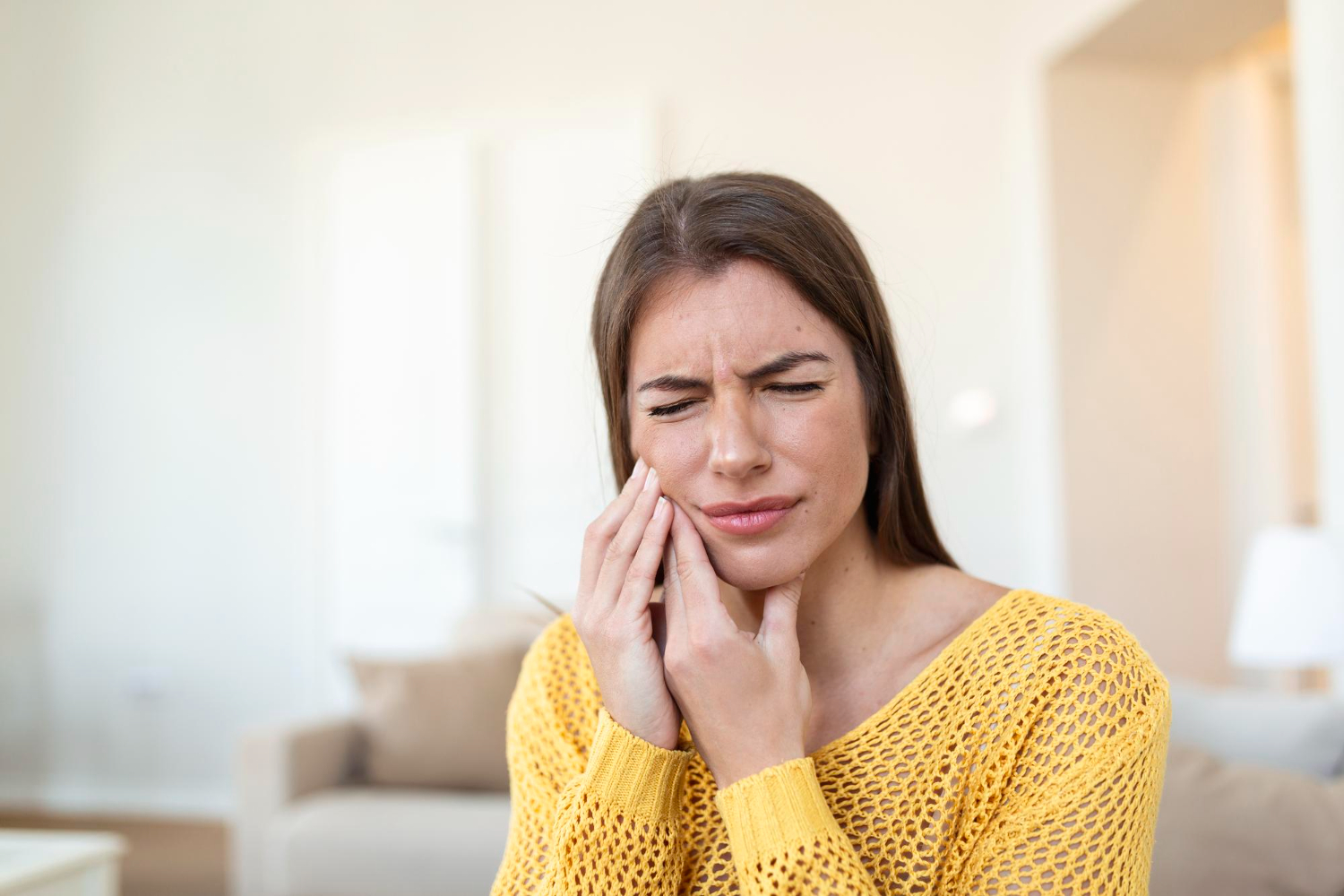
Tooth pain may become more noticeable at night or after lying down. Changes in body position, inflammation and the way pain is perceived when there are fewer distractions can all contribute to this pattern.
At Radiant Smiles Dental Bundoora, patients can have persistent or worsening tooth pain assessed to determine the likely cause and whether treatment is required.
The Role of Blood Flow and Body Position
Body position may influence how dental pain is perceived. When lying down, changes in pressure and circulation can make throbbing or pressure from an inflamed tooth feel more noticeable.
Inside the tooth is a pulp chamber containing nerves and blood vessels. Inflammation or infection of the pulp can create pressure within this confined space and contribute to throbbing or persistent pain.
If you are unsure whether your symptoms may indicate an infection, you can review these 7 warning signs of a dental infection and seek dental assessment if you are concerned.
Inflammation and Pressure Build Up Inside the Tooth
Tooth infections may involve inflammation of the dental pulp, the living tissue inside the tooth. This can contribute to pressure and pain that may be sharp, throbbing, radiating or persistent.
A dental infection can sometimes be associated with an abscess in the surrounding tissues. Symptoms may include persistent or throbbing pain, swelling, tenderness, pus or a bad taste in the mouth.
For a deeper explainer on the infection process, see root canal infection and the common signs covered in signs you may need a root canal.
Fewer Distractions Can Make Pain More Noticeable
Attention can influence how noticeable pain feels. During the day, other activities and sensory input may make dental pain less prominent, while a quieter environment at night may make symptoms easier to notice.
This is why tooth pain can feel worse late at night even if the underlying issue has not suddenly changed.
Dry Mouth at Night Can Make Symptoms More Irritating
Saliva helps neutralise acids, lubricate oral tissues and clear food particles and microorganisms from the mouth. Saliva production decreases during sleep, which may make dryness or irritation more noticeable in some people.
Pain Medication Does Not Treat the Cause of a Dental Infection
Pain medication does not treat the underlying cause of a dental infection. Persistent, worsening or recurring pain should be assessed by a dentist rather than managed repeatedly with pain medication alone.
If you are experiencing sudden severe dental pain, you can also review what to do while waiting for assessment of urgent toothache.
Temporary Measures While Waiting for Dental Assessment
Depending on the circumstances, these measures may help manage symptoms temporarily. They do not treat a dental infection and are not a substitute for professional assessment.
Keep your head elevated
Some people may find that keeping the head elevated while resting changes how throbbing or pressure is perceived.
Use a cold compress externally
A wrapped cold pack may be applied externally to the cheek for short periods if this is comfortable. Avoid applying ice directly to the skin.
Avoid chewing on the affected side
If biting or chewing aggravates the tooth, avoid chewing on the affected side until it can be assessed.
Avoid heat on the area
Avoid applying heat directly to an area of facial or dental swelling unless advised by a healthcare professional.
Do not place medication directly on the gums or tooth
Placing tablets directly against the gums or tooth can injure oral tissues. If using over-the-counter medication, follow the label directions and seek advice from a pharmacist, dentist or other qualified healthcare professional if you are unsure whether it is appropriate for you.
When Night Time Pain May Be an Emergency
Dental pain accompanied by swelling, fever, pus, a bad taste in the mouth or difficulty swallowing should be assessed promptly because these symptoms may be associated with infection. Difficulty breathing, rapidly increasing facial or neck swelling, or significant difficulty swallowing may require urgent medical assessment.
If you are unsure whether your symptoms require urgent dental care, this guide to what is a dental emergency explains common warning signs. Seek urgent medical attention if swelling is rapidly spreading or symptoms affect breathing or swallowing.
For urgent dental assessment, you can learn more about emergency dentistry or contact an emergency dentist in Bundoora if appropriate.
What an Emergency Dentist Focuses on First
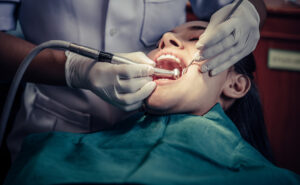
During an urgent appointment for suspected infection-related pain, the dentist will assess the likely cause and determine what treatment or further investigation may be required. Depending on what is found, the first visit may focus on:
- Assessing the likely source of pain or infection
- Examining the tooth and surrounding tissues
- Assessing whether the tooth may be suitable for restorative treatment
- Discussing treatment options and follow-up where required
Depending on the diagnosis, treatment may include root canal treatment where appropriate, or tooth extraction when retaining the tooth is not considered suitable. Your dentist can explain the available options based on the clinical findings.
If you are experiencing symptoms beyond pain, this guide to warning signs you should see a dentist provides additional information about symptoms that may warrant assessment.
When to Arrange Dental Assessment
Persistent, worsening or recurring dental pain should be assessed to identify the likely cause and determine whether monitoring, treatment or further investigation is appropriate.
If you need to discuss your symptoms or arrange an appointment, you can use the contact us page to contact the clinic.
Disclaimer: The information provided in this blog is for general educational purposes only and should not be taken as medical advice. It is not a substitute for professional diagnosis, treatment, or care. Always seek the guidance of your dentist or other qualified healthcare professional with any questions you may have regarding your oral health or dental concerns.