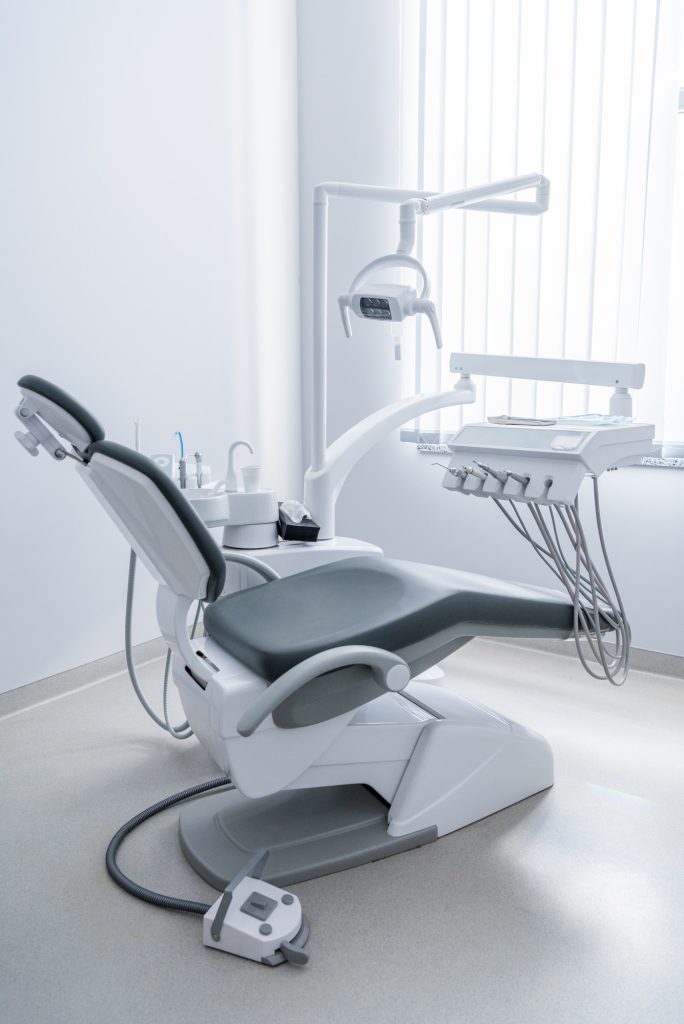
Decay, cracks or other damage can sometimes affect the dental pulp inside a tooth. If the pulp becomes irreversibly inflamed or infected, symptoms may include pain, sensitivity or swelling. A dentist can assess the tooth and determine whether root canal treatment or another approach may be appropriate.
What Are the Symptoms of a Root Canal Infection?
Pulp infection does not always cause obvious symptoms at first. Symptoms can vary and may include pain, sensitivity, swelling or an abscess. The severity of symptoms does not always indicate the extent of the problem.
Possible symptoms associated with pulp infection or an abscess include:
- Persistent sensitivity to hot or cold
- Pain when biting or chewing
- Spontaneous or throbbing tooth pain
- Swelling or tenderness of the gum
- Facial or jaw swelling
- Discolouration of the affected tooth
- Pus or an unpleasant taste associated with drainage
If you experience persistent or worsening pain, swelling or other concerning symptoms, arrange a dental assessment. If symptoms are severe or rapidly worsening, an emergency dental assessment may be appropriate.
When Do You Need a Root Canal?
Root canal treatment may be considered when the dental pulp is irreversibly inflamed or infected and the tooth is otherwise suitable for treatment. Causes can include deep decay, cracks, trauma or other conditions affecting the pulp.
Where bacteria reach the dental pulp, infection may develop. In some cases, this can be associated with an abscess around the root or surrounding tissues.
The aim of root canal treatment is to remove affected pulp tissue, clean and shape the root canal system and seal the tooth where it can be predictably restored.
If a tooth cannot be predictably restored and extraction is required, replacement options may include dental implants, a bridge or denture. In some circumstances, leaving the space unrestored may also be considered.
Complications Due to Root Canal Infection
Pulp infection can sometimes progress to necrosis of the dental pulp or spread into surrounding tissues. Symptoms and progression vary between patients.
Pulp necrosis refers to death of the dental pulp. It can occur following severe inflammation, infection, trauma or other loss of blood supply to the pulp.
An untreated dental infection can sometimes extend into the tissues around a tooth. Increasing facial or neck swelling, fever, difficulty swallowing or difficulty breathing require prompt assessment.
How Is Pulp Infection Managed?
Root canal treatment involves removing affected pulp tissue and cleaning, shaping and sealing the root canal system.
Local anaesthetic is generally used where appropriate during root canal treatment.
The dentist creates access to the pulp chamber, removes affected tissue and uses instruments and irrigating solutions to clean and shape the root canal system.
After cleaning and shaping, the root canal system is sealed using an appropriate root-filling material. Further restorative treatment depends on the amount and condition of the remaining tooth structure. A dental crown may be considered where a full-coverage restoration is appropriate.
If a crown is planned, the tooth is prepared and an impression or digital scan may be taken. Crown fabrication may use laboratory or digital workflows, and the number of appointments varies according to the treatment plan.
Post Treatment Care
Your dentist will provide aftercare instructions following root canal treatment. Temporary tenderness or sensitivity may occur, but the duration and severity vary. Over-the-counter pain relief may be appropriate for some people, so follow the product instructions and ask a pharmacist, doctor or dentist if you are unsure whether a medicine is suitable for you.
Follow-up requirements depend on the individual treatment plan. Contact your dentist if you develop severe or worsening pain, swelling, an uneven bite, or a temporary restoration that becomes loose or damaged.
Continue oral hygiene according to the instructions provided after treatment. Temporary changes to eating or drinking may be recommended depending on sensitivity, the type of restoration and whether a temporary filling or crown is present.
Arrange an Assessment for Tooth Pain or Pulp Infection
Pain or swelling can have several dental causes. A dentist at Radiant Smiles Dental Bundoora can assess the affected tooth and surrounding tissues and discuss whether root canal treatment, another restorative treatment or extraction may be appropriate.
If you have persistent tooth pain, sensitivity, swelling or another concern, contact Radiant Smiles Dental Bundoora to arrange an assessment.
Seek urgent medical assessment if facial or neck swelling is rapidly increasing, or if dental symptoms are causing difficulty breathing, significant difficulty swallowing, uncontrolled bleeding, severe systemic illness or another potentially life-threatening problem.