If you are considering teeth whitening treatments and already have dental restorations such as fillings, crowns, veneers or bridges, it is important to understand that natural teeth and restorative materials can respond differently to whitening. A dental assessment can help determine how existing restorations may affect the treatment plan.
How Teeth Whitening Works
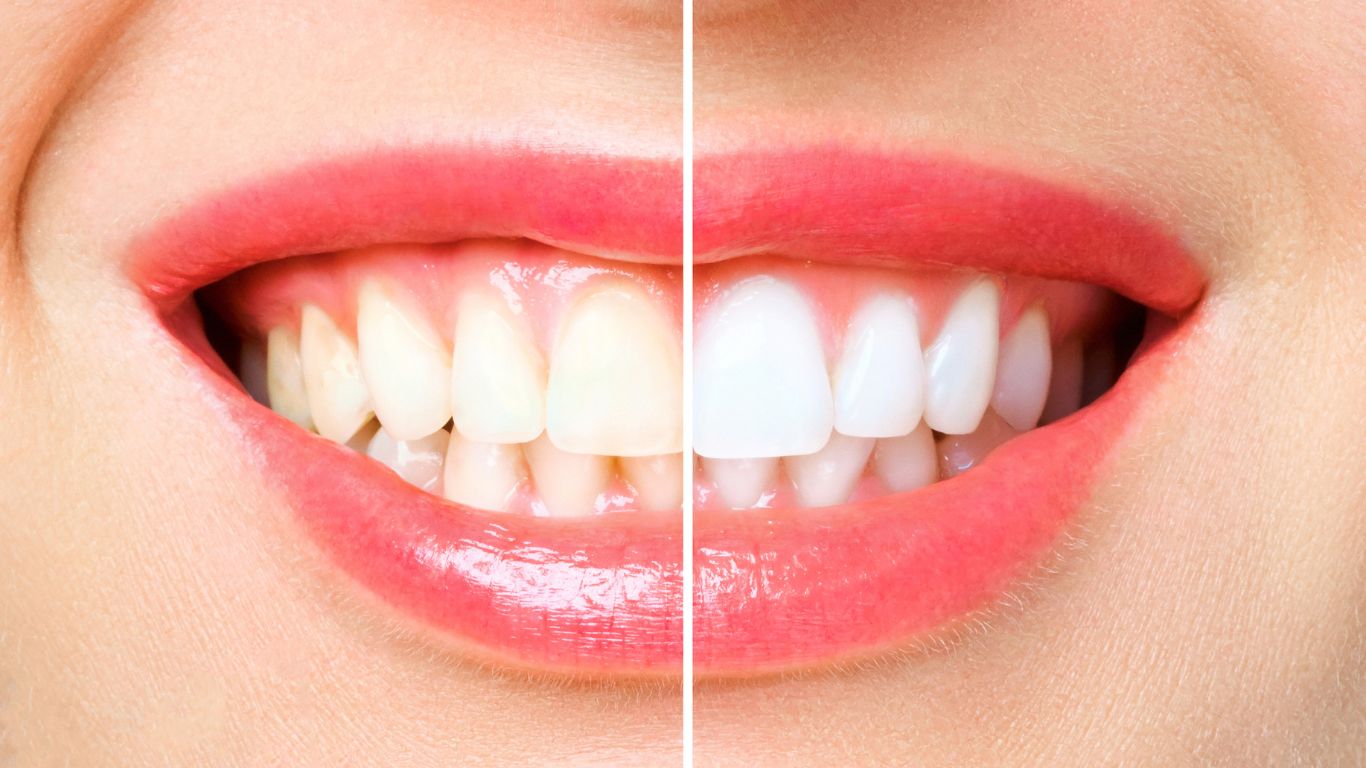
Teeth whitening is a cosmetic dental treatment that uses whitening agents to alter the shade of natural tooth structure. The most common active ingredients in whitening treatments are hydrogen peroxide and carbamide peroxide. These bleaching agents penetrate the enamel—the hard, outer layer of your teeth—and break down the molecules that cause discolouration.
Factors that may contribute to tooth discolouration include:
- Frequent exposure to dark-coloured foods or drinks such as coffee, tea or red wine
- Tobacco use
- Changes in enamel thickness or tooth structure over time
- Surface deposits or staining
Whitening agents can alter pigmented molecules within natural tooth structure, which may result in a change in tooth shade. Whitening may be provided by a dentist or undertaken using over-the-counter products. The concentration, application method and suitability vary between products and treatment approaches.
Do Whitening Products Affect Dental Restorations?
Whitening agents generally affect natural tooth structure rather than restorative materials. Existing dental crowns and bridges, veneers and composite fillings may therefore remain a different shade from surrounding natural teeth after whitening.
If natural teeth change shade while existing restorations do not, a colour difference may become more noticeable. Your dentist can assess the location, condition and shade of existing restorations before discussing whether whitening is appropriate.
What Happens When You Whiten Teeth with Restorations?
Whitening may change the shade of natural teeth while existing restorative materials may remain largely unchanged. The contrast between your newly whitened teeth and unchanged restorations may become more obvious. For example:
- A porcelain crown may remain close to its original shade while surrounding natural teeth change.
- Composite fillings may not change shade in the same way as natural tooth structure.
- Veneers and bridges may appear different in shade from surrounding teeth after whitening.
Colour differences between natural teeth and restorations may become more noticeable after whitening. Your dentist can discuss whether any further treatment is clinically appropriate based on the location and condition of the restorations.
Should I Whiten Teeth Before or After Getting Restorations?
Whitening before restorations:
If you are considering both whitening and new restorations, your dentist can advise on treatment sequencing based on your clinical needs and agreed treatment goals. Where whitening is completed before a new restoration is made, the dentist may use the post-whitening tooth shade as a reference when selecting the restoration shade.
Whitening after restorations:
If you already have dental restorations, whitening treatments will only affect your natural teeth, leaving the restorations unchanged. This can cause a mismatch in colour. If an existing restoration becomes noticeably different in shade from surrounding teeth, the dentist can assess whether replacement is clinically appropriate.
Are There Risks Associated with Whitening Teeth That Have Restorations?
Teeth whitening can have risks and side effects, and additional considerations may apply when restorations are present:
- Dental consultation: A dentist can assess the condition of your teeth, gums and existing restorations before whitening and identify concerns such as decay, cracks or damaged restorations that may affect treatment suitability.
- Sensitivity and irritation: Tooth sensitivity and gum irritation can occur during or after whitening. If a restoration is damaged or its margins are compromised, a dental assessment is appropriate before whitening continues.
- Avoid whitening broken restorations: If you have a cracked, loose or damaged restoration, have it assessed before continuing whitening.
- Long-term care: Repeated whitening may affect the colour relationship between natural teeth and existing restorations over time. Any decision to replace a restoration should be based on clinical assessment and patient preferences.
What If Natural Teeth and Restorations Differ in Shade After Whitening?
If whitening creates a colour mismatch due to restorations not changing shade, your dentist may recommend:
- Assessment of existing restorations: If there is a noticeable shade difference, the dentist can assess whether repair, replacement or no treatment is appropriate.
- Professional cleaning: Where surface deposits or staining are present, professional cleaning may be discussed as part of routine dental care.
Your dentist can discuss the available options based on the clinical findings, treatment goals and individual circumstances.
Is Teeth Whitening Right for Me?
Teeth whitening may be suitable for some patients who want to change the shade of their natural teeth. However, if you have dental restorations, it’s important to understand their limitations regarding whitening and plan your treatment accordingly.
At Radiant Smiles Dental Bundoora, the dental team can assess your teeth and existing restorations and discuss whether whitening or another treatment may be appropriate.
If you are considering whitening and have existing restorations, arrange a dental assessment to discuss treatment suitability, limitations and available options.