Teeth whitening results can vary due to factors such as stain type, enamel condition and existing dental work. Dentists assess these factors before recommending treatment and can explain whether whitening may be appropriate for your teeth. Understanding why results vary can help guide decisions about whitening or other treatment options.
Teeth whitening does not produce the same degree of shade change for everyone. Some people notice little visible change, uneven colour or changes that appear less noticeable over time.
When whitening does not produce the expected shade change, several factors may influence how the teeth respond. Some of these may only become clear after a dental assessment. Understanding these factors helps explain why results vary and what can be done differently moving forward.
When whitening doesn’t change much, what is actually happening?
When little or no visible shade change occurs, the type and cause of the discolouration may be an important factor.
Teeth can appear darker for several reasons:
- Surface staining from food and drinks
- Deeper internal colour changes within the tooth
- Age-related thinning of enamel
- Previous dental restorations that do not respond to whitening
If the discolouration is located deeper within the tooth, standard whitening may produce little or no visible change.
The type of stain matters more than most people realise
Not all stains respond in the same way. This is often overlooked when people try over-the-counter options or follow generic advice.
Dentists typically distinguish between:
- External stains caused by coffee, tea, red wine, or smoking
- Internal discolouration linked to ageing, medications, or previous trauma
External and internal discolouration may respond differently to whitening. Internal colour changes may require a different approach depending on their cause and the condition of the tooth.
Teeth may respond differently to whitening, so a uniform shade change cannot be assumed.
Why enamel condition affects the final result
The outer layer of the tooth plays a key role in how light reflects off the surface. When enamel becomes thinner or worn, the underlying dentine becomes more visible, giving teeth a naturally darker or more yellow tone.
Whitening products do not rebuild lost enamel. The visible result can vary depending on the condition and thickness of the enamel and the colour of the underlying tooth structure.
Previous dental work can limit whitening results
Existing restorations such as fillings, crowns or veneers can contribute to differences in colour after whitening.
These materials:
- Do not respond to whitening agents
- Maintain their original shade
- May stand out more after surrounding teeth lighten
For example, a filling placed years ago may match the natural tooth colour at the time. After whitening, the surrounding enamel may become lighter, while the filling remains unchanged.
This can create a colour difference between the restoration and surrounding teeth. Where clinically appropriate, a dentist may discuss whether an existing restoration needs monitoring, replacement or another approach.
Application technique can influence outcomes
The way a whitening product is applied can also affect contact between the gel and the tooth surface.
Common issues include:
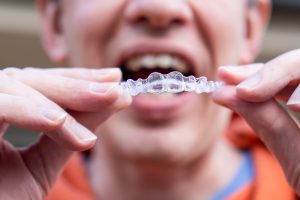
- Trays that do not fit properly
- Whitening strips shifting during use
- Uneven distribution of whitening gel
- Shortened application time
If the product does not remain in consistent contact with the teeth, the results may appear patchy or incomplete. This is particularly relevant for at-home treatments where fit and technique vary from person to person.
Why Tooth Colour Can Change After Whitening
Several factors contribute to this:
- Dehydration of the tooth during whitening can create a temporary lighter appearance
- Immediate return to staining habits such as coffee or tea
- Lack of maintenance after treatment
Changes in tooth hydration after whitening can affect the shade that is initially observed.
What dentists assess before recommending whitening
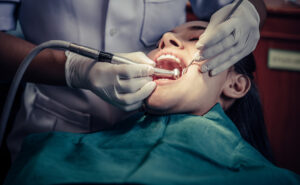
Before starting whitening treatment, a dentist in Bundoora can assess your teeth and gums and discuss whether whitening may be suitable for you.
Key areas of evaluation include:
- Current tooth colour and type of discolouration
- Presence of decay or gum issues
- Existing dental work and its condition
- Tooth sensitivity history
- Lifestyle factors that contribute to staining
The findings can help the dentist determine whether whitening is appropriate and explain the likely limitations and possible degree of shade change.
If you are considering teeth whitening near me, a dental assessment can help identify factors that may influence whether whitening is suitable and how your teeth may respond.
When whitening may not be the best option
There are situations where whitening alone may not address the cause of tooth discolouration, particularly where structural factors or existing restorations are involved.
Depending on the clinical findings, a dentist may discuss options such as:
- Professional cleaning where surface staining or deposits are present
- Assessment of existing restorations
- Other dental treatment where whitening is unlikely to address the cause of the colour difference
These decisions are usually based on clinical findings rather than preference alone. Assessment can help determine whether further whitening is appropriate before additional treatment is considered.
How a structured approach improves outcomes
This may include:
- Initial assessment and cleaning
- Controlled whitening under guidance
- Monitoring of sensitivity and response
- Adjustments based on how teeth react
Tooth Colour After Whitening
Tooth colour can change over time after whitening. Factors such as diet, smoking, oral hygiene and the original cause of discolouration may influence future shade changes.
Your dentist may discuss factors that can affect tooth colour after whitening, including:
- Frequent exposure to staining foods and drinks
- Smoking
- Oral hygiene
- Whether additional whitening is appropriate in the future
Ongoing dental care, including check-up and cleans, allows your dentist to monitor your teeth, gums and any sensitivity or other oral health concerns over time.
Areas We Serve Around Bundoora
Patients from surrounding suburbs can attend Radiant Smiles Dental Bundoora for teeth whitening Bundoora consultations and assessment where previous whitening has produced limited or uneven shade change.
Patients from Reservoir, Thomastown and Greensborough can attend the Bundoora clinic to discuss whitening and other dental concerns.
Common Questions About Failed Teeth Whitening
Why did whitening strips not change my tooth colour?
Whitening strips may produce little visible change where discolouration is mainly internal rather than surface-level. Their effect can also vary depending on how the product contacts the teeth.
Is it normal for whitening to look uneven?
Yes, uneven results can occur if different teeth respond differently or if there are variations in enamel thickness or existing dental work. A clinical assessment can help identify the cause.
Can I try whitening again if it didn’t work the first time?
Further whitening should depend on the condition of your teeth and gums, any sensitivity you experienced and why the first treatment produced limited results. A dentist can assess whether repeating or modifying whitening is appropriate.
Why do my teeth feel different after whitening?
Sensitivity or changes in how the tooth surface feels can occur after whitening. Symptoms vary between patients. Persistent, worsening or localised pain should be assessed by a dentist.
Does whitening work on fillings or crowns?
Whitening agents do not generally change the colour of existing fillings, crowns or veneers. If a restoration becomes noticeably different in shade from surrounding teeth, your dentist can assess the restoration and discuss whether any treatment is clinically appropriate.
Disclaimer: The information in this article is for general educational purposes only and does not replace professional dental advice. Teeth whitening results can vary depending on the type of staining, tooth structure, and existing dental work. A personalised assessment by a qualified dental professional is recommended to determine the most appropriate treatment for your individual needs.