A tooth can crack for several reasons, including dental trauma, grinding or clenching, biting hard objects, decay and reduced remaining tooth structure around existing restorations. Symptoms and the extent of damage vary according to the type and location of the crack.
Not every cracked tooth is a dental emergency. If symptoms are severe or worsening, an emergency dental assessment may be appropriate. Understanding possible symptoms and treatment options can help you recognise when dental assessment may be required.
How Can I Tell If I Have a Cracked Tooth?
A cracked tooth may not always be visible or cause noticeable symptoms. Deeper cracks can involve dentine or the dental pulp and may cause pain or sensitivity.
Possible symptoms of a cracked tooth include:
- Pain during biting or chewing
- Sensitivity to hot, cold or sweet foods and drinks
- Localised discomfort or swelling
- Intermittent pain when pressure is applied or released
Different types of cracks can affect different parts of a tooth.
Verticle root fracture
A vertical root fracture involves the root of a tooth and can sometimes cause few noticeable symptoms. Management depends on the tooth involved, fracture location and condition of the surrounding tissues.
Craze lines
Craze lines are superficial lines within the enamel. They are generally not associated with symptoms and may not require restorative treatment.
Split tooth
A split tooth involves separation of portions of the tooth. Whether any part of the tooth can be retained depends on the location and extent of the split and the amount of remaining tooth structure.
Fractured cusp
A fractured cusp involves part of the chewing surface of a tooth and may occur around an existing restoration. Symptoms and pulp involvement vary according to the extent of the fracture.
Can You Fix a Cracked Tooth? Treatment Options
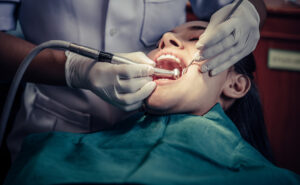
Management of a cracked tooth depends on the type, location and extent of the crack, symptoms, pulp condition and amount of remaining tooth structure. A dentist at Radiant Smiles Dental Bundoora can assess these factors before discussing whether treatment is required.
Dental crown
A dental crown may be considered where the crack pattern and remaining tooth structure are suitable for a full-coverage restoration. Whether urgent assessment is required depends on the symptoms and extent of the fracture.
If a crown is planned, the tooth is prepared and an impression or digital scan may be taken. Crown fabrication may use laboratory or digital workflows, and a temporary restoration may be required depending on the treatment plan.
The number of appointments and method of crown placement vary according to the restoration and fabrication process.
Root canal therapy
If a crack is associated with irreversible pulp inflammation or infection and the tooth is otherwise suitable for treatment, root canal treatment may be considered.
Root canal treatment involves accessing the pulp chamber, removing affected pulp tissue and cleaning and shaping the root canal system. Local anaesthetic is generally used where appropriate.
The root canal system is sealed after cleaning and shaping. Further restorative treatment depends on the amount and condition of the remaining tooth structure.
Dental veneers
Dental veneers may be considered for selected superficial concerns affecting front teeth where the remaining tooth structure, bite and crack pattern make veneer treatment appropriate.

Dental veneers are thin restorations bonded to the front surface of selected teeth. Treatment may involve removal of enamel, with the amount of preparation varying according to the veneer design, tooth position and existing tooth structure. Fabrication and appointment requirements also vary.
Dental bonding may be considered for selected superficial chips or defects where enough tooth structure remains for a direct composite restoration.
Tooth extraction
Tooth extraction may be considered where the location and extent of a crack mean the tooth cannot be predictably restored.
If extraction is required, the procedure and technique depend on the tooth, fracture pattern and individual clinical circumstances. Local anaesthetic is generally used where appropriate.
After extraction, whether the missing tooth should be replaced depends on factors such as its location, bite, neighbouring teeth, bone and gum condition, and individual treatment goals.
If tooth replacement is being considered after extraction, options may include dental implants, a bridge or denture, while leaving the space unrestored may also be appropriate in some circumstances. An implant is surgically placed in the jawbone to support a dental restoration.
Arrange an Assessment for a Cracked Tooth
If a cracked tooth is causing severe or worsening pain, significant swelling, uncontrolled bleeding or follows substantial dental trauma, urgent dental assessment may be appropriate.
A dentist can assess the location and extent of the crack, the condition of the dental pulp and remaining tooth structure, and discuss appropriate management options. You can contact the Bundoora dental clinic to arrange an assessment.
Seek urgent medical assessment if dental or facial symptoms are causing difficulty breathing, significant difficulty swallowing, rapidly increasing facial or neck swelling, uncontrolled bleeding or another potentially life-threatening problem.