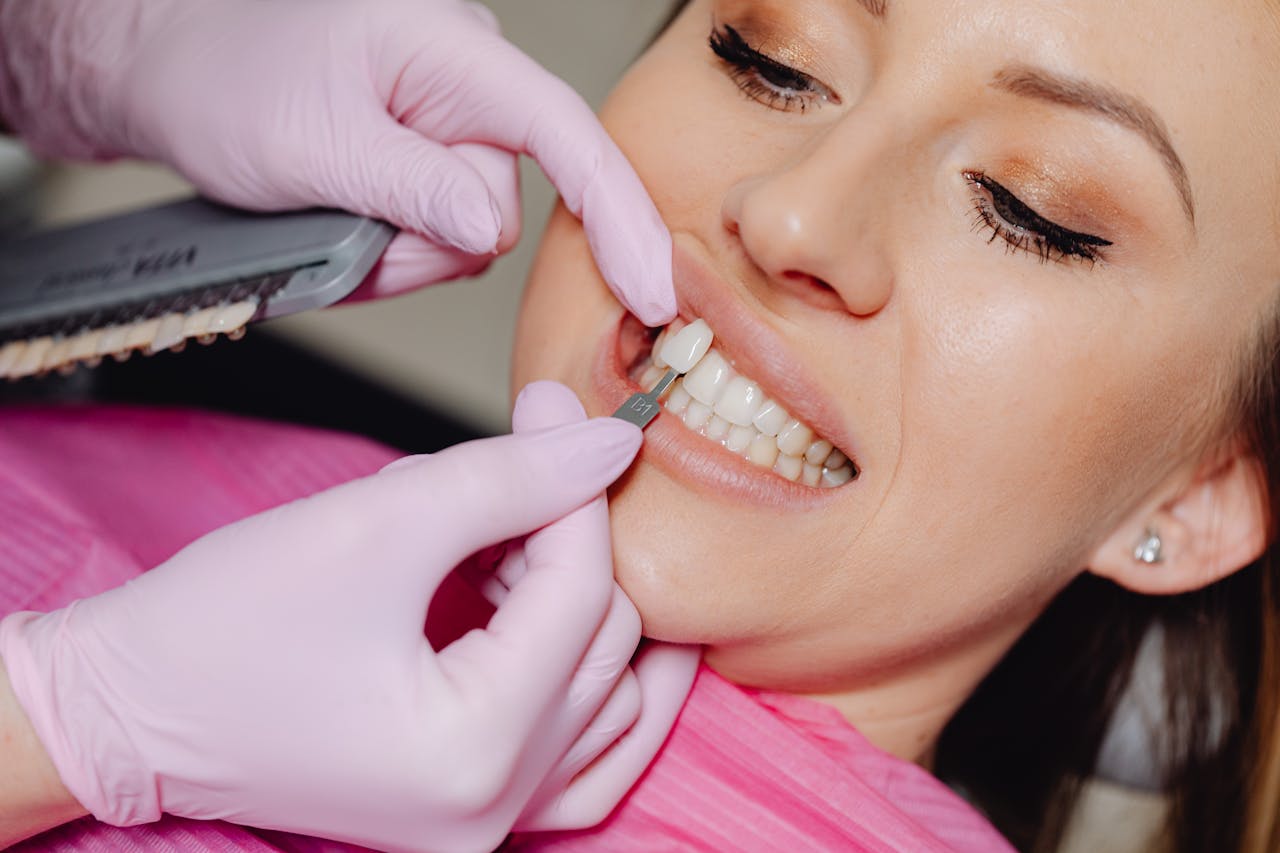
Dental veneers may be used to change the colour, shape or appearance of selected teeth, but they are not suitable for every dental concern. Factors such as tooth alignment, gum levels, bite and teeth grinding can affect treatment suitability and should be assessed before veneers are considered.
Dental veneers may be considered for selected cosmetic concerns involving the colour, shape, size or appearance of teeth. However, they are not suitable for every concern, and their limitations should be discussed before treatment.
Understanding what veneers can and cannot address is an important part of treatment planning and informed decision-making.
At Radiant Smiles Dental Bundoora, veneer assessment considers the condition of the teeth and gums, bite, treatment goals, limitations and clinically appropriate alternatives.
What Dental Veneers May Be Used to Change
Veneers are thin restorations bonded to the front surfaces of selected teeth. Depending on the individual case, they may be considered to alter:
- Tooth colour that does not respond well to whitening
- Minor chips or uneven edges
- Small gaps between teeth
- Mild shape irregularities
Veneers have limitations and may not be suitable for concerns involving significant tooth movement, bite problems, active dental disease or insufficient healthy tooth structure.
For a foundational overview, see what dental veneers are and how different materials compare in porcelain veneers vs composite veneers.
Veneers and Tooth Alignment: Where the Limits Appear
Veneers do not move teeth in the way orthodontic treatment does. In selected cases, they may alter the visible appearance of minor spacing, rotation or shape differences without changing the underlying tooth position.
Where tooth position or alignment is more pronounced, attempting to alter the visible appearance with veneers may require greater changes to veneer contour or tooth preparation. This can affect factors such as:
- Veneer thickness and tooth proportions
- Bite relationships
- Forces placed on the veneer and underlying tooth
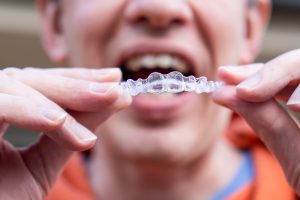
In some cases, orthodontic treatment such as Invisalign or another orthodontic approach may be considered before veneers. The appropriate sequence depends on tooth position, bite, available tooth structure and the agreed treatment plan.
How Gum Levels Can Affect Veneer Planning
Veneers do not change the position or contour of the gums. Differences in gum levels can therefore affect the visible proportions of teeth and should be considered during treatment planning.
Where gum position is relevant to the proposed treatment, a dentist may discuss whether gum contouring or another approach is clinically appropriate before veneers are considered.
Teeth Grinding and Clenching
Bruxism, which includes grinding and clenching, is another factor that limits veneer suitability. Excessive force on veneers can increase the risk of chipping, cracking, or debonding.
Teeth grinding should be assessed before veneer treatment because repeated forces can affect restorations over time. Depending on the individual case, a dentist may discuss options such as a mouth guard as part of managing grinding or clenching.
If you grind or clench your teeth, you can read more about how teeth grinding may affect veneers before deciding whether to proceed with treatment.
Bite Issues Are Not Always Visible
Veneers are bonded to the front surfaces of teeth, while the bite involves how the upper and lower teeth contact during biting and jaw movement. Bite relationships are therefore an important part of veneer assessment.
If veneers interfere with natural bite movement, patients may experience:
- Jaw discomfort
- Chipping at veneer edges
- A feeling that the bite is “off”
Bite assessment forms part of determining whether veneers are suitable and whether another treatment should be considered before or instead of veneers.
Veneers Cannot Replace Structural Repair
Veneers are primarily used to alter the visible surface of selected teeth and may not be appropriate where there is significant loss of tooth structure, large restorations, cracks or decay. In these situations, treatments such as dental crowns may be considered depending on the clinical findings.
The condition and amount of remaining tooth structure should be assessed before veneers are recommended because these factors can affect treatment suitability and the risks associated with the restoration.
Understanding the difference between cosmetic and restorative solutions is key when planning treatment.
Expectations and Limitations to Discuss Before Veneers
Important limitations to understand include:
- Veneers do not prevent future dental disease or the need for future dental treatment
- Veneers may not address functional concerns such as chewing discomfort or bite problems
- The final shade, shape and appearance cannot be guaranteed
Before treatment, patients should be given information about the proposed changes, limitations, risks and factors that may affect the final appearance.
Resources such as veneers pros and cons and are dental veneers permanent can also help set realistic expectations before treatment begins.
When Veneers Are Part of a Bigger Plan
Depending on the clinical findings, veneers may form one part of a broader treatment plan. Other treatment may involve orthodontics, management of gum conditions, whitening or an appliance for grinding or clenching.
Where more than one dental concern is present, the dentist may recommend addressing those concerns in stages before deciding whether veneers are appropriate.
If you are considering veneers, a consultation with a dentist Bundoora can assess your teeth, gums and bite and discuss whether veneers or another treatment may be suitable.
To arrange an assessment, you can use the contact us page or review the types of treatment listed under cosmetic dentistry.
Disclaimer: The information provided in this blog is for general educational purposes only and should not be taken as medical advice. It is not a substitute for professional diagnosis, treatment, or care. Always seek the guidance of your dentist or other qualified healthcare professional with any questions you may have regarding your oral health or dental concerns.