Choosing between Invisalign and traditional braces depends on factors such as tooth position, bite, treatment complexity and individual preferences. This comparison explains some of the practical differences between the two approaches and why a dental assessment is needed before treatment is recommended.
What Are Invisalign and Traditional Braces?
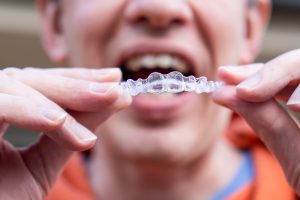
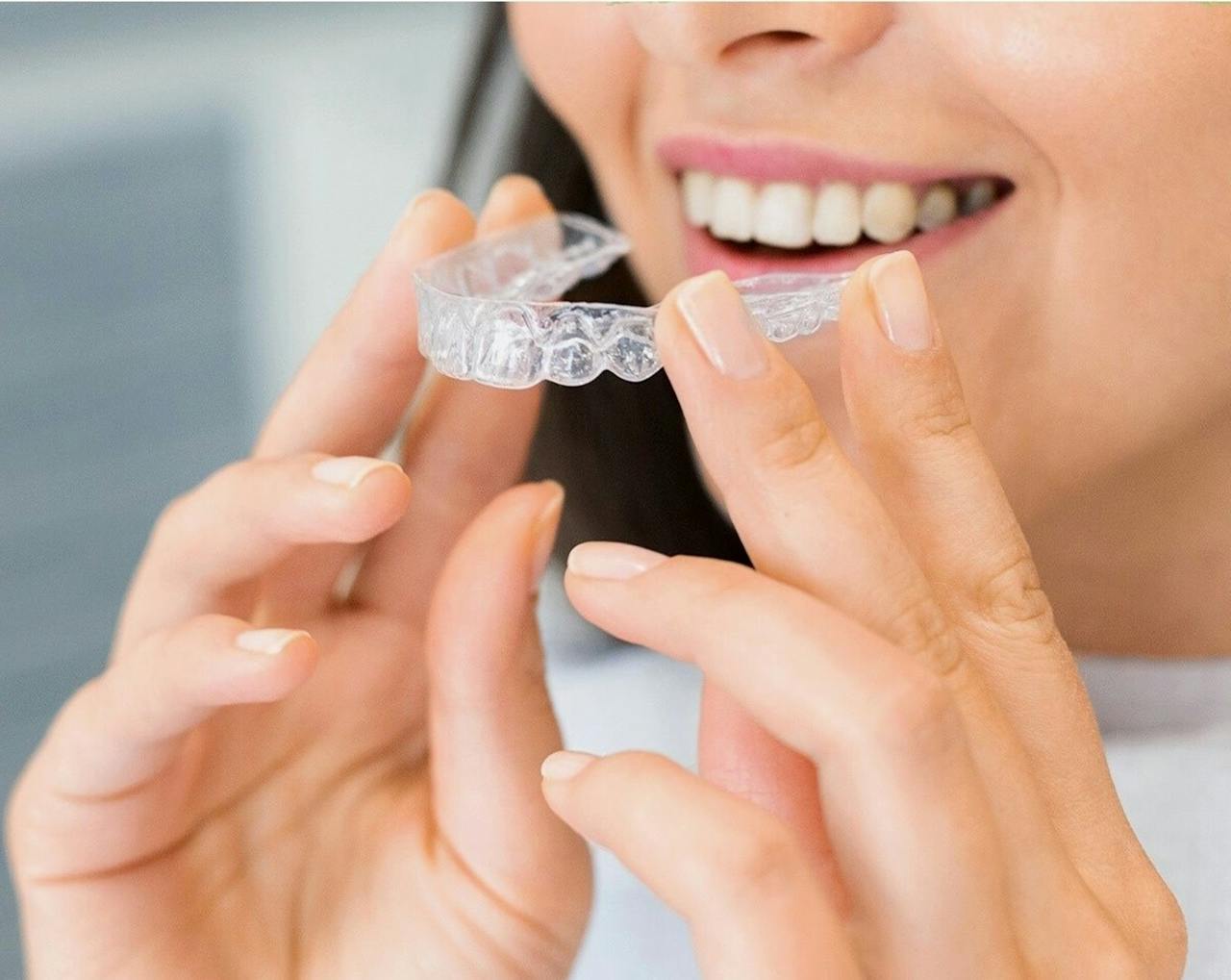
Invisalign uses a series of removable clear aligners designed to apply forces that move teeth over time. Because the aligners are removable, they can be taken out for eating and oral hygiene according to the treatment instructions.
Traditional braces use brackets and wires attached to the teeth to apply forces that move teeth over time. They may be considered for a range of orthodontic problems, including some cases involving more complex tooth movement.
At Radiant Smiles Dental Bundoora, patients can be assessed for clear aligners and other orthodontic treatment options where appropriate.
Visibility of Invisalign and Traditional Braces
Clear aligners are transparent and may be less noticeable than conventional metal braces when worn. Visibility can still vary depending on factors such as attachments, tooth position and lighting.
Braces can be made with different bracket materials, including metal and tooth-coloured ceramic options. Their visibility differs from clear aligners and should be considered alongside treatment requirements and suitability.
Practical Differences During Treatment
Invisalign aligners and fixed braces involve different treatment experiences and maintenance requirements. Aligners do not use brackets and wires, while fixed braces may occasionally require review if a bracket or wire becomes damaged or causes irritation.
Clear aligners need to be worn according to the schedule provided by the dentist and removed when instructed for eating and cleaning. Not wearing aligners as prescribed may affect treatment progress.
Fixed braces remain attached to the teeth throughout treatment and require specific oral hygiene and dietary instructions around the brackets and wires.
Treatment Duration and Case Suitability
Treatment duration varies according to the orthodontic problem, treatment plan, aligner wear and how the teeth respond.
Some complex orthodontic problems may be more suitable for fixed braces or another treatment approach. Suitability depends on the type and extent of tooth movement required. In some cases, more than one orthodontic approach may be used at different stages of treatment if clinically appropriate.
Cost & Maintenance
Treatment fees can vary depending on the orthodontic problem, treatment duration, appliance type and individual treatment plan. Patients should request a personalised fee estimate before deciding between treatment options.
Fixed braces require review appointments and careful cleaning around brackets and wires. Inadequate plaque control around orthodontic appliances may contribute to dental problems such as white spot lesions, tooth decay or gum inflammation.
Dietary & Hygiene Impact
Clear aligners are generally removed for meals, allowing patients to follow the eating and cleaning instructions provided by their dentist. Oral hygiene remains important throughout treatment.
Patients with fixed braces may be advised to avoid certain foods that could damage the appliance and to clean carefully around brackets and wires. Specific dietary and oral hygiene instructions should be followed during treatment.
Factors That May Influence Treatment Choice
Factors a dentist may consider include:
- The type and extent of tooth movement required
- Bite relationships
- Oral health and dental development
- Whether a removable or fixed appliance is clinically appropriate
- The patient’s ability to follow treatment instructions
- Treatment duration and maintenance requirements
If you are unsure which approach may be suitable, Radiant Smiles can assess your teeth and bite and discuss the clinically appropriate treatment options. Digital treatment planning may also be used to simulate proposed tooth movements.
What Orthodontic Treatment Planning May Involve
- Consultation & Planning: We’ll take scans, X-rays, and digital simulations to show you alternate outcomes.
- Treatment Monitoring: Review appointments allow the dentist to monitor tooth movement and make changes to the treatment plan where required.
- Other Dental Care: Where clinically required, orthodontic treatment may be coordinated with check-ups and cleans, dental fillings or other general dental care.
- Retention: After active orthodontic treatment, a retainer may be prescribed to help maintain tooth position. Retainer type and wear schedule depend on the individual treatment plan.
You can learn more about orthodontic care at Radiant Smiles Dental Bundoora or review the Invisalign service for information about clear aligner treatment.
FAQs About Invisalign vs Braces
Does Invisalign hurt more than braces?
Both clear aligners and fixed braces can cause pressure, tenderness or irritation during treatment. The type, intensity and duration of symptoms vary between patients and between treatment stages.
Can age limit Invisalign use?
Age alone does not determine whether clear aligners are suitable. The dentist will also consider dental development, oral health, tooth movement requirements and the patient’s ability to follow the prescribed wear schedule.
Can I switch from arches of braces to Invisalign mid-treatment?
It may be possible in selected cases. Whether treatment can change from fixed braces to clear aligners depends on the remaining tooth movements, bite, treatment goals and clinical assessment.
How do I care for my aligners or braces daily?
- For clear aligners: follow the cleaning, eating and drinking instructions provided for your aligner system.
- For fixed braces: clean carefully around brackets and wires and follow the dietary and oral hygiene instructions provided by your dentist.
Considering Invisalign or Traditional Braces?
If you are considering orthodontic treatment, contact us to arrange an assessment and discuss whether clear aligners, fixed braces or another treatment approach may be suitable.
Disclaimer:
The information provided in this blog is for general educational purposes only and should not be taken as medical advice. It is not a substitute for professional diagnosis, treatment, or care. Always seek the guidance of your qualified dental professional regarding your specific treatment options.