Starting Invisalign treatment involves a series of planned stages, from assessment and digital treatment planning through to aligner wear and retention. If you have not had orthodontic treatment before, understanding these stages can help you know what may be involved.
At Radiant Smiles, Invisalign treatment may involve assessment, digital planning, aligner reviews and retainers after active treatment. The exact process depends on the individual treatment plan.
Step 1 – Your Initial Consultation
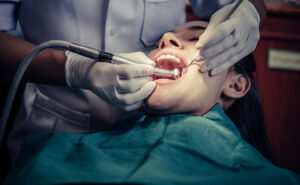
Invisalign treatment begins with an assessment. During this visit, your Bundoora dentist may:
- Assess your teeth and bite
- Take digital scans and photographs
- Discuss your treatment goals
- Discuss whether Invisalign may be suitable for your orthodontic needs
Depending on the assessment, other dental care may be recommended before aligner treatment begins, such as check-ups and cleans or dental fillings where clinically appropriate.
Step 2 – Custom Treatment Planning
If Invisalign is considered suitable, your dentist can create a digital treatment plan. Treatment-planning software may be used to simulate the proposed movement of the teeth and estimate the number of aligners that may be required.
This planning stage can also provide an estimated treatment duration. The length of treatment varies depending on the orthodontic problem, treatment goals, aligner wear and how the teeth respond.
Step 3 – Receiving Your First Aligners
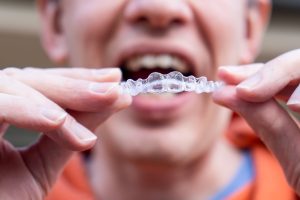
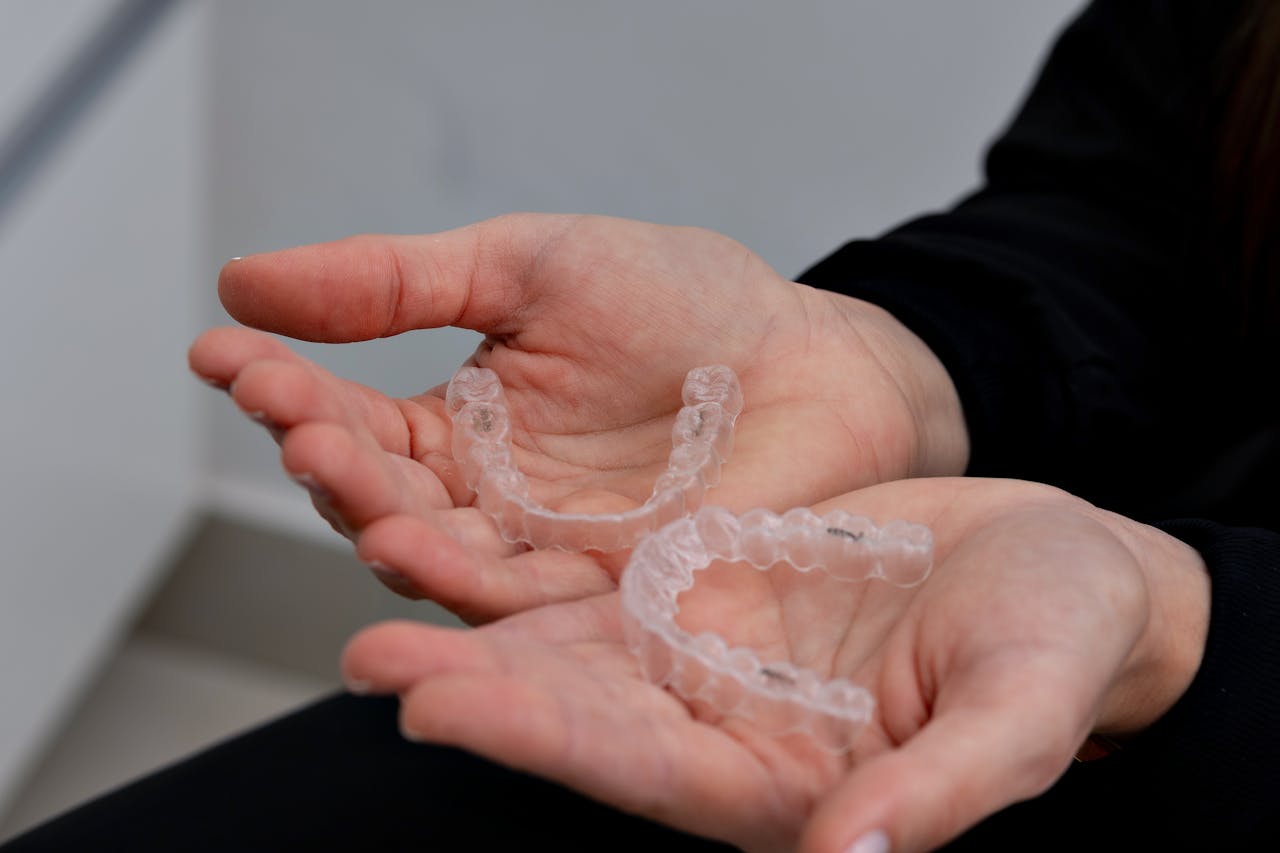
When your first set of aligners is provided, your dentist will check the fit and explain how they should be worn and cared for. You’ll receive instructions on:
- How long your aligners should be worn each day according to your treatment plan
- When to remove them (for eating, drinking, brushing, and flossing)
- How to clean and store your aligners
The timing of aligner changes varies according to the treatment plan. Each aligner is designed to apply forces that contribute to planned tooth movement over time.
Step 4 – Regular Progress Checks
Invisalign treatment usually involves review appointments at intervals determined by the dentist and the individual treatment plan. At these appointments, your dentist will:
- Monitor tooth movement and treatment progress
- Provide the next series of aligners where appropriate
- Make adjustments to the treatment plan if required
Step 5 – Adjusting to Everyday Life with Invisalign
Experiences during the early stages of aligner treatment vary between patients. Some considerations include:
- Pressure, tenderness or discomfort may occur when changing to a new aligner. The intensity and duration vary between patients.
- Some patients notice temporary changes in speech, including a lisp, particularly when they first begin wearing aligners.
- Eating and drinking: Aligners are generally removed for meals and for drinks other than water. Follow your dentist’s instructions about eating, drinking and cleaning the aligners.
Step 6 – Refinements if Needed
After the initial series of aligners, additional aligners may be recommended if further tooth movement is required. These are sometimes referred to as refinements.
Step 7 – Retainers After Active Treatment
After active orthodontic treatment, retainers may be prescribed to help maintain tooth position. The type of retainer and recommended wear schedule will depend on your individual treatment plan. Teeth can change position over time, including after orthodontic treatment.
You can also read about Invisalign vs traditional braces and some of the differences between these treatment approaches.
FAQs About Invisalign
How long do I need to wear Invisalign each day?
Aligners should be worn according to the schedule provided by your dentist. Recommended daily wear time depends on the treatment plan and aligner system being used.
Does Invisalign hurt?
Pressure, tenderness or discomfort may occur when changing aligners. The experience varies between patients and should be discussed with your dentist if symptoms are significant or persistent.
Can I drink coffee or tea with Invisalign?
Follow your dentist’s instructions about drinking while wearing aligners. Aligners are generally removed for drinks other than water because heat and coloured beverages may affect the aligner material or appearance.
Is Invisalign suitable for teenagers?
Clear aligners may be suitable for some teenagers depending on their orthodontic needs, dental development and ability to follow the prescribed wear schedule. Suitability requires individual assessment.
Considering Invisalign Treatment in Bundoora?
If you are considering clear aligner treatment, you can visit Radiant Smiles Dental Bundoora or learn more about Invisalign treatment before arranging an assessment.
Disclaimer:
The information provided in this blog is for general educational purposes only and should not be taken as medical advice. It is not a substitute for professional diagnosis, treatment, or care. Always seek the guidance of your doctor or other qualified healthcare professional with any questions you may have regarding your health or medical condition.