If your filling falls out, keep the area clean, avoid chewing on that side and bring the lost piece to your appointment if possible. A missing filling does not always require emergency treatment, but it should be assessed to determine why it came out and whether the tooth needs repair.
A lost filling may leave the tooth sensitive or create a sharp edge that is noticeable with the tongue. A lost filling does not always require emergency treatment, but it should be assessed by a Bundoora dentist to determine the condition of the tooth and whether treatment is required.
A filling may become loose or fall out while eating, brushing or during normal use of the tooth. Until the tooth can be assessed, there are practical steps that may help protect the exposed area.
Why Fillings Fall Out
Dental fillings can come loose for several reasons.
- Wear over time: Repeated chewing forces can contribute to changes in the filling or its bond with the tooth.
- Tooth decay around the filling: New decay underneath or beside the old filling can cause it to separate.
- Biting hard foods: Crunchy foods such as nuts, lollies or ice can cause stress fractures.
- Teeth grinding (bruxism): Repeated clenching or grinding can place additional forces on fillings.
- Accidental trauma: A fall, knock or biting something unexpectedly hard can dislodge a restoration.
You can learn more about maintenance and factors that affect durability in our related article on how long tooth fillings last.
What to Do When a Filling Falls Out
Here are practical steps you can take before you see your dentist.
1. Stay calm and keep the area clean
Rinse gently with water to help clear food debris from around the tooth. Avoid placing harsh chemicals or household products directly on the exposed area.
2. Keep the lost filling if possible
If you can find the lost filling, place it in a clean container and bring it to your appointment. Your dentist can assess the tooth and the restoration to help determine why it became loose.
3. Avoid chewing on that side
If chewing aggravates the tooth, avoid chewing on the affected side until it can be assessed. Very hot, cold or sticky foods may also trigger symptoms in some cases.
4. Use temporary dental material if needed
Temporary dental repair products are available from some pharmacies. If you are considering using one, follow the product instructions carefully and understand that it does not replace dental assessment or treatment.
5. Book an appointment as soon as possible
Even if the tooth is not painful, arrange a dental assessment so the dentist can check the remaining tooth structure and determine whether treatment is required.
You can read more about dental fillings and how this type of restorative treatment may be used when clinically appropriate.
What Not to Do
Avoid these common mistakes after a filling falls out.
- Do not leave the tooth unassessed if the filling has fallen out, particularly if you develop pain, swelling, sensitivity or other symptoms.
- Do not use glue or household materials. These can irritate your gums or damage the tooth.
- Avoid chewing on the affected side if this causes pain or sensitivity.
When to Seek Urgent Care
A lost filling does not always require emergency treatment, but prompt dental assessment may be appropriate if you experience:
- Severe or increasing pain
- Swelling around the tooth or jaw
- Throbbing pain or fever
- A filling that fell out following trauma or where the tooth appears cracked
If you are unsure whether your symptoms require urgent dental care, contact the clinic for advice about arranging an appropriate appointment. You can also read about why fillings may break or fall out for more information about possible causes.
How a Dentist Assesses a Lost Filling
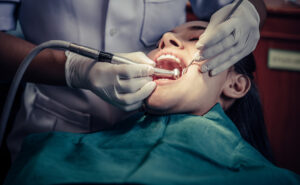
At the appointment, the dentist may:
- Examine the tooth and remaining restoration
- Assess for decay, cracks or loss of tooth structure
- Discuss whether a new filling, another restoration or a different treatment may be appropriate
If there is significant loss of tooth structure, the dentist may discuss whether another restoration such as a crown is appropriate. You can read more about the differences between dental crowns and fillings.
Caring for Teeth With Existing Fillings
General oral-care measures for teeth with fillings include:
- Brush twice daily
- Brush twice daily with fluoride toothpaste
- Clean between the teeth
- Discuss a mouthguard with your dentist if you grind or clench your teeth
- Attend dental check-ups at intervals recommended for your individual needs
Routine dental examinations allow the dentist to assess existing fillings and other changes in the teeth and gums over time. Appointments can be arranged through the Radiant Smiles Dental Bundoora homepage.
Disclaimer: The information provided in this blog is for general educational purposes only and should not be taken as medical advice. Always consult a qualified dentist or healthcare professional for diagnosis or treatment specific to your circumstances.