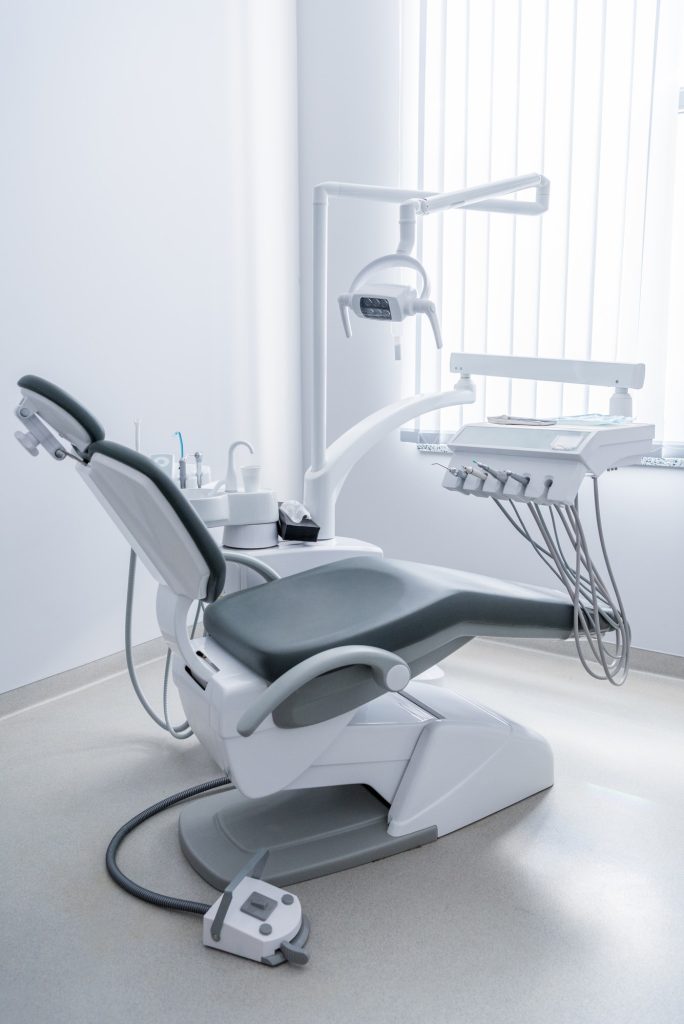
Emergency dental treatment sometimes requires more than one appointment because the dentist must first assess the problem, manage urgent symptoms and determine which treatment is appropriate. Complex extractions, infections, damaged teeth, additional investigations and specialist referrals may require staged care. A follow-up appointment does not necessarily mean the initial emergency treatment was unsuccessful.
You’ve finally managed to see a dentist about a painful tooth. After an examination, you expect the problem to be resolved before you leave. Instead, you’re told that further treatment is needed at another appointment.
For someone who has been struggling to eat, sleep or concentrate because of dental pain, that news can be frustrating. You may wonder why the dentist couldn’t finish everything immediately or whether something more serious has been discovered.
Emergency dental appointments are intended to assess urgent problems and provide appropriate care. However, the treatment required depends on what the examination reveals. Some dental emergencies can be managed in one visit, while others involve several stages.
Understanding why additional appointments may be necessary can help you know what to expect, what questions to ask and how to manage your dental condition between visits.
1. Your Dentist Needs to Identify the Cause Before Starting Definitive Treatment
Tooth pain doesn’t always reveal exactly which tooth is responsible or what is happening beneath the surface.
A patient might arrive convinced that a particular molar needs extracting because it hurts whenever they chew. However, the discomfort could involve a cracked tooth, inflamed dental pulp, infection, gum problems or pressure from another tooth.
The dentist’s first responsibility is to establish the likely cause rather than proceed with a treatment based solely on where the patient feels pain.
What Happens During an Emergency Dental Assessment?
Depending on your symptoms, the dentist may:
- Ask when the pain began and whether it is constant or intermittent.
- Examine the affected tooth, gums and surrounding tissues.
- Check for swelling, tenderness, fractures or damaged restorations.
- Assess how the teeth meet when you bite.
- Perform sensitivity or percussion tests where appropriate.
- Recommend dental X-rays to investigate areas that cannot be examined directly.
These findings help determine whether the tooth can be restored, requires root canal treatment, needs extraction or should be investigated further.
For example, a tooth that appears intact may have a crack that is difficult to identify during the initial examination. Your dentist may need additional testing or monitoring before recommending a definitive procedure.
This doesn’t mean every emergency appointment requires extensive investigations. It means the treatment should be guided by the available clinical evidence.
Why Treatment Might Be Delayed After the Examination
Sometimes the dentist can identify the problem and begin treatment immediately. In other circumstances, the findings may be inconclusive, or further assessment may be necessary to avoid an inappropriate procedure.
Patients seeking an emergency dentist near me should understand that urgent assessment and same-day completion of every procedure are not necessarily the same thing.
The important outcome of the initial visit is a clear explanation of what has been found, what care is appropriate and what needs to happen next.
2. An Infection May Need Several Stages of Care
Dental infections can cause significant discomfort, particularly when swelling or pressure develops around the affected tooth.
Some patients expect antibiotics to resolve the infection completely. Others assume that an infected tooth must always be removed immediately.
Neither assumption applies to every situation.
Treatment depends on the source of infection, its extent, the condition of the tooth and the patient’s overall health.
Treating the Source of Infection
If an infection develops inside a tooth, the dentist may consider whether the tooth can be retained through root canal treatment to address infected dental pulp.
Depending on the clinical circumstances, treatment may involve accessing the affected area, cleaning infected tissue and placing a temporary restoration before completing the procedure at another appointment.
Where an abscess is present, drainage may be appropriate. If the tooth cannot reasonably be restored, extraction may be recommended.
Antibiotics are not routinely necessary for every dental infection. They may be prescribed in particular circumstances, such as when infection is spreading or there are systemic symptoms, but they do not replace treatment of the underlying dental cause.
Why an Infection May Not Be Resolved in One Visit
A dentist may need to reassess the tooth or surrounding tissues after initial treatment, especially when the infection is extensive or the clinical situation is complicated.
Follow-up can help determine whether symptoms are improving, whether further treatment is needed and whether the planned procedure remains appropriate.
However, worsening facial swelling, fever, increasing difficulty opening the mouth or other concerning symptoms should not simply be left until the scheduled appointment.
Difficulty breathing or swallowing, rapidly progressing swelling or signs of serious illness require immediate emergency medical assessment.
3. The Tooth May Be More Difficult to Remove Than Expected
When a tooth is badly damaged or painful, extraction can seem like the most straightforward solution.
Yet removing a tooth isn’t always a simple procedure.
The dentist must consider the shape and position of the roots, the amount of tooth structure remaining, the surrounding bone and the relationship to nearby anatomical structures.
A tooth that looks severely broken above the gumline may still have long, curved or divergent roots beneath it.
Factors That Can Make an Extraction More Complex
An extraction may require additional planning when:
- The tooth has broken close to or below the gumline.
- The roots are unusually curved or difficult to access.
- Previous treatment has altered the tooth’s structure.
- The tooth is impacted or only partly erupted.
- The roots are close to important nerves or the maxillary sinus.
- The patient has medical conditions or takes medications that affect procedural planning.
These factors don’t automatically prevent extraction during an emergency visit. However, they can influence whether the procedure is suitable for that appointment or whether additional imaging, surgical planning or referral is appropriate.
A dentist may recommend assessment and planning for a more involved tooth extraction rather than attempting a procedure without adequate preparation.
When a Referral May Be Appropriate
Some extractions are better managed by a practitioner with additional surgical experience or by an oral and maxillofacial surgeon.
This can be particularly relevant for certain impacted wisdom teeth or teeth positioned close to important anatomical structures.
Referral is not necessarily a sign that the dental problem has become more severe. It may simply reflect the complexity of the procedure and the expertise required to manage it appropriately.
If an extraction is deferred, ask what has been identified, why another appointment or referral is recommended, and what you should do if symptoms change while waiting.
4. The Tooth Needs a Temporary Restoration Before Permanent Repair
A broken filling, fractured tooth or damaged crown can create an immediate problem, particularly when exposed tooth structure becomes sensitive to temperature or pressure.
Patients understandably want the tooth repaired as soon as possible. However, a permanent restoration may not be appropriate until the dentist has assessed the damage and confirmed the treatment required.
Temporary Treatment Can Protect the Tooth Between Visits
Imagine biting into something hard and losing part of a large filling. The tooth feels sharp against your tongue, and cold drinks suddenly cause discomfort.
During an emergency appointment, the dentist may examine the remaining tooth structure, assess the pulp and determine whether a replacement filling is sufficient.
If the tooth needs a more extensive restoration, a temporary filling or protective covering may be placed until further treatment can be arranged.
Temporary restorations serve a practical purpose. They can protect vulnerable tooth structure, reduce exposure to irritants and help manage the situation until definitive care is completed.
However, they are not necessarily designed to withstand the same forces or remain in place as long as permanent restorations.
Why a Crown or Another Restoration May Require a Separate Appointment
A heavily damaged tooth may require a dental crown to restore and protect remaining tooth structure.
The dentist may need to prepare the tooth, record its shape and arrange for a restoration to be manufactured. Depending on the treatment approach and available facilities, this can require more than one visit.
There are also situations where the dentist needs to evaluate whether the tooth’s pulp has been affected before proceeding with the final restoration.
A temporary repair therefore does not automatically indicate that the dentist has postponed necessary care. It may be an appropriate part of a planned treatment sequence.
Before leaving, patients should understand how to care for the temporary restoration, whether there are foods they should avoid and what to do if it becomes loose or falls out.
5. Your Medical History or Treatment Needs Require Additional Planning
Emergency dental care must account for more than the condition of the affected tooth.
A procedure that is relatively straightforward for one person may require additional preparation for someone with particular medical conditions, medications or treatment needs.
For instance, a dentist may need to review medicines that affect bleeding, consider relevant medical conditions or determine whether the proposed treatment can be carried out safely in the available clinical setting.
Medical Considerations That May Affect the Treatment Plan
Relevant factors can include:
- Blood-thinning medications and the reason they have been prescribed.
- Medical conditions that influence healing or infection management.
- Allergies and previous reactions to medications.
- A history of complications during dental procedures.
- The need for additional support because of significant dental anxiety.
- Complex treatment requirements that may benefit from specialist involvement.
Having one of these considerations does not automatically mean emergency dental treatment must be delayed.
Dentists assess individual circumstances and may proceed with suitable care while making appropriate modifications.
In some cases, however, consultation with another healthcare professional or additional planning is necessary before a particular procedure.
Patients should never stop prescribed medication independently in preparation for dental treatment.
When Anxiety Changes How Treatment Is Planned
Someone experiencing severe toothache may also have a history of difficult dental appointments.
They might be concerned about local anaesthetic, procedural discomfort or the possibility of a lengthy extraction.
These concerns are relevant to treatment planning, particularly if the patient finds it difficult to tolerate the proposed procedure.
Depending on the situation, the dentist may discuss options for managing anxiety, including whether sedation during dental treatment may be appropriate.
Sedation is not required for every anxious patient, and different methods have their own suitability criteria, precautions and limitations.
Where additional arrangements are necessary, a separate appointment may allow the procedure to be undertaken with appropriate preparation and monitoring.
What Should Be Explained Before You Leave the Emergency Appointment?
Being told to return for further treatment can feel unsettling when the original reason for attending was urgent pain.
A useful emergency consultation should leave you with an understanding of what the dentist has identified, what treatment has been provided and what remains unresolved.
Before leaving, make sure you understand the following information.
| What to clarify | Why it matters |
| The likely cause of the dental problem | Helps you understand why the proposed treatment is appropriate |
| What was completed during the appointment | Distinguishes temporary care from definitive treatment |
| Why another visit is necessary | Explains the clinical reason for staged care |
| Whether the tooth is stable until the next appointment | Helps establish what symptoms or changes need attention |
| How to protect the affected area | Reduces the risk of disturbing temporary work or aggravating symptoms |
| When further treatment should occur | Establishes the intended treatment timeframe |
| Who to contact if symptoms worsen | Provides a clear pathway for reassessment |
Your dentist should also explain any significant uncertainties, available alternatives and relevant risks associated with the proposed treatment.
If something is unclear, ask for a simpler explanation. Understanding the treatment plan is part of making an informed decision about your dental care.
Managing Your Tooth Between Emergency Dental Visits
The period between appointments can be uncomfortable, especially when treatment has only partly addressed the underlying problem.
Your dentist’s instructions should take priority because they are based on your particular diagnosis and the treatment already performed.
In general, the following considerations may be relevant.
Protect Any Temporary Dental Work
If a temporary filling or crown has been placed, avoid using the affected tooth to bite particularly hard or sticky foods unless your dentist advises otherwise.
Continue cleaning your teeth carefully, following any specific instructions for the treated area.
A temporary restoration that becomes loose, fractures or falls out should be reported to the dental clinic. Do not assume it can safely remain untreated until your next scheduled visit.
Use Medication Only as Directed
Your dentist may recommend suitable pain relief or prescribe medication where clinically indicated.
Follow the instructions provided and check with a pharmacist or healthcare professional if you are uncertain about interactions, existing medical conditions or whether a medicine is suitable for you.
Do not increase doses or combine medications simply because pain persists.
If the recommended approach is not adequately managing your symptoms, contact the treating dentist for advice.
Pay Attention to Changes Rather Than Waiting Automatically
Some tenderness can occur after dental procedures. However, increasing pain, new swelling, persistent bleeding or a change in your ability to eat or open your mouth may require reassessment.
Seek prompt dental advice if symptoms are worsening or the temporary treatment is no longer providing the expected protection.
For severe or rapidly spreading facial swelling, difficulty breathing or swallowing, or other signs of serious illness, seek immediate hospital emergency care.
A scheduled follow-up appointment should not prevent you from seeking earlier help when new warning signs develop.
Does Feeling Better Mean You Can Cancel the Second Appointment?
One of the more confusing aspects of emergency dental treatment is that symptoms can improve before the underlying condition has been fully treated.
Consider a tooth that has received the first stage of root canal treatment. Removing inflamed or infected pulp tissue may reduce pain, but the tooth can still require further cleaning, sealing and restoration.
Similarly, a temporary filling may stop sensitivity by covering exposed tooth structure without providing the final repair.
The absence of discomfort is therefore not a reliable indication that the remaining treatment is unnecessary.
Skipping the next appointment could leave a temporary restoration in place longer than intended or allow an unresolved dental problem to progress.
If you are uncertain whether further treatment is still required, contact your dentist rather than cancelling based on symptom improvement alone.
Emergency Dental Care Across Bundoora and Nearby Melbourne Suburbs
When unexpected tooth pain, swelling or dental damage occurs, finding appropriate care close to home can be important. Radiant Smiles Dental welcomes patients seeking urgent dental assessment at our Bundoora dental clinic, including those travelling from Mill Park, Lalor, Thomastown and Reservoir.
Patients from Watsonia, Macleod and Rosanna may also contact our clinic when experiencing dental discomfort or requiring follow-up treatment. We also provide dental care for residents of Greensborough and Eltham, with treatment recommendations based on individual clinical needs and appointment availability.
Emergency Dental Appointments in Bundoora: Planning for the Next Step
Radiant Smiles Dental Bundoora provides dental care for patients experiencing toothache, damaged teeth and other urgent oral health concerns.
Patients attending a dental clinic in Bundoora for ongoing care may require further appointments following an emergency assessment, depending on the condition identified and the treatment recommended.
The purpose of follow-up care is not simply to repeat the initial consultation. It may involve completing a procedure, reviewing healing, replacing a temporary restoration or confirming that the affected tooth has responded as expected.
For patients travelling from nearby suburbs, understanding the anticipated treatment stages can also make it easier to organise work, transport and other commitments.
When contacting the clinic about an urgent dental concern, explain your symptoms, how long they have been present and whether you have already received treatment elsewhere. This information can assist the dental team in understanding your situation, although an examination is generally needed to establish the appropriate care.
Why Another Appointment Can Be Part of Appropriate Emergency Dental Care
An emergency appointment can be an important first step even when the entire procedure cannot be completed immediately.
Some patients receive definitive treatment during their initial visit. Others require further investigations, infection management, a complex extraction, permanent restoration or additional clinical planning.
What matters is that the proposed approach is based on the condition of the tooth, the patient’s health and the risks and benefits of available treatments.
If your emergency dental treatment requires another appointment, make sure you understand why, what has already been achieved and how to care for the affected area in the meantime.
A clearly explained treatment plan can help you make informed decisions and recognise when further dental attention is needed.
Disclaimer: This article provides general educational information about emergency dental treatment and follow-up appointments. It does not replace an individual dental examination, diagnosis or professional advice. The timing and suitability of treatment depend on the nature of the dental problem, your medical history and clinical findings. Seek prompt dental assessment for worsening symptoms and immediate emergency medical care for severe swelling, breathing difficulties or difficulty swallowing.