A different bite sensation after dental veneers can occur as your mouth adjusts to changes in tooth shape and surface contours. However, persistent discomfort, uneven contact, difficulty chewing or pain when biting should be assessed by a dentist. The cause may involve veneer contours, bite alignment, tooth sensitivity or an underlying dental condition requiring further investigation.
You look in the mirror and feel satisfied with the appearance of your new veneers. The colour looks right, the shape suits your smile, and nothing appears obviously wrong.
Then you close your mouth.
One tooth seems to touch before the others. Your back teeth don’t meet quite as they used to, or chewing feels different on one side. You try moving your jaw around to find a comfortable position, but the sensation keeps drawing your attention.
It’s an uncomfortable situation because the veneers may look exactly as expected while your bite feels unfamiliar.
Some awareness of changes to tooth shape can occur after dental treatment. However, a persistent change in how your teeth meet, particularly when accompanied by discomfort or difficulty chewing, deserves professional assessment.
Understanding what might be contributing to the sensation can help you describe it accurately and know when to contact your dentist.
When Your Smile Looks Right but Your Teeth Don’t Meet Comfortably
Your bite, also called your occlusion, describes how your upper and lower teeth contact one another.
These contacts are influenced by tooth position, shape, surface contours and the way your jaw moves during chewing and speaking.
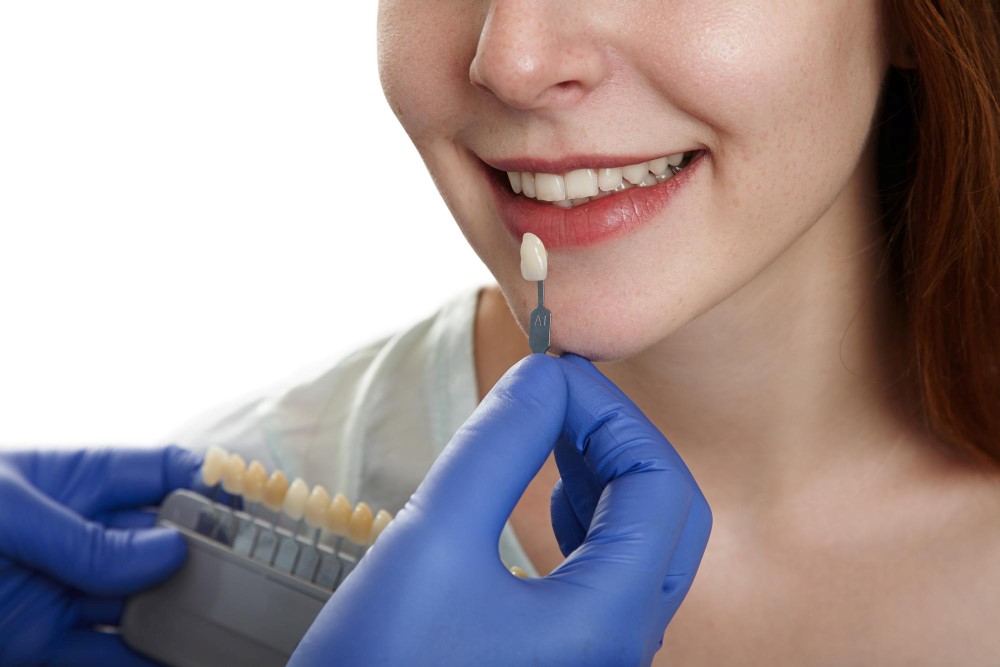
Dental veneers cover the front surfaces of teeth and may also involve changes to their edges or contours, depending on the treatment plan.
Even a relatively small alteration can change how certain teeth contact their opposing teeth.
For example, a veneer placed on an upper front tooth may slightly alter the contact made when you move your lower jaw forward. You might notice this when biting into a sandwich, speaking or bringing your teeth together.
This doesn’t necessarily mean the veneer has been placed incorrectly.
The important distinction is whether you’re simply becoming accustomed to a new tooth shape or experiencing a functional problem that requires attention.
What Patients Often Mean When They Say Their Bite Feels Off
People describe these sensations in different ways:
- One front tooth touches before the others.
- The back teeth seem unable to meet normally.
- The jaw feels as though it needs to shift sideways to close.
- A particular veneer catches when chewing.
- Biting into food feels awkward or uncomfortable.
- The teeth feel too long, thick or prominent.
- There is pressure around one restored tooth.
- The mouth feels comfortable when open but unusual when closed.
These descriptions are useful because they identify the circumstances in which the problem occurs.
A dentist may investigate an uncomfortable contact differently from a tooth that produces sharp pain under pressure.
You don’t need to know the technical terminology. Explaining what feels different and when you notice it can provide valuable information during your review.
A New Tooth Shape Can Change How Your Bite Feels
Veneers are individually planned to suit the teeth being treated. Their shape, thickness and edges influence both appearance and function.
When teeth have been worn, chipped or uneven, restoring their shape can introduce surfaces that were not previously present.
A patient whose front teeth were shortened by wear, for instance, may notice a different sensation when biting into food after their original tooth length has been restored.
That sensation may become less noticeable as the patient grows accustomed to the restoration.
However, adaptation should not be used as an explanation for every complaint.
If a veneer consistently interferes with comfortable closure or causes pain, waiting indefinitely is not an appropriate substitute for an examination.
The Difference Between Awareness and Interference
Consider two situations.
In the first, a patient notices that their front teeth feel smoother and slightly different against their lips and tongue. They can chew comfortably, their teeth meet normally, and the unfamiliar sensation gradually becomes less noticeable.
In the second, a patient repeatedly shifts their lower jaw because one veneer seems to make contact too early. Chewing is uncomfortable, and the sensation remains consistent.
Although both patients describe their veneers as feeling different, the second situation raises a more specific concern about tooth contact.
Your dentist can help determine whether the sensation reflects normal awareness of a new restoration, an adjustment issue or another dental condition.
The Bite Can Feel Uneven Even When the Veneers Appear Symmetrical
Aesthetic appearance and bite function are related, but they are not identical.
Two veneers may look balanced when you smile yet contact the opposing teeth differently during jaw movement.
This is partly because the surfaces involved in chewing and closing are not always visible from the front.
A small difference along an edge or behind a front tooth can influence contact without creating an obvious cosmetic problem.
Why Front Veneers Can Affect the Back Teeth
When you close your mouth, your teeth normally make contacts that help establish a comfortable biting position.
During forward and sideways jaw movements, different teeth may guide those movements.
Changes to the length or contours of front teeth can sometimes influence how these contacts occur.
A patient may therefore report that their back teeth feel different even though the veneers were placed only on the front teeth.
This doesn’t automatically establish that the veneers are responsible. Existing bite relationships, muscle activity and other dental conditions may also contribute.
An examination is needed to understand which factors are relevant.
What About Veneers That Feel Too Thick?
A veneer may feel prominent against the tongue or lips because its contours differ from those of the original tooth.
That sensation is not necessarily the same as a bite problem.
However, if the thickness or shape appears to interfere with normal function, the dentist can assess whether the contours are appropriate.
Patients should not attempt to file, reshape or adjust veneers themselves. Doing so can damage the restoration or create additional problems.
Persistent Discomfort Deserves More Attention Than a Quick Visual Check
A veneer that appears intact can still be associated with discomfort.
There may be an issue with how the teeth contact one another, but pain can also originate from the underlying tooth or surrounding tissues.
This distinction matters because adjusting a restoration is not necessarily the correct response to every symptom.
For example, discomfort when chewing might involve excessive pressure on one tooth, a pre-existing crack, inflammation within the tooth or another condition unrelated to the veneer itself.
A clinical examination helps identify the likely cause before any changes are made.
Signs That Should Prompt a Dental Review
Contact your dentist if you notice:
- A consistent feeling that one tooth contacts before the others.
- Difficulty bringing your back teeth together comfortably.
- Pain when biting or releasing pressure.
- Sensitivity that is persistent, worsening or affecting eating.
- A veneer that feels loose or moves unexpectedly.
- New jaw discomfort associated with changes in your bite.
- A sharp edge, crack or other noticeable change in the restoration.
These symptoms do not establish that the veneer has failed. They indicate that further assessment may be appropriate.
If you develop facial swelling, fever or severe worsening pain, seek prompt dental care rather than waiting for a routine review.
How a Dentist Investigates an Uncomfortable Bite After Veneers
A veneer review involves more than checking whether the restoration is still attached.
The dentist needs to understand the relationship between your symptoms, the restored teeth and your overall bite.
At Radiant Smiles Dental Bundoora, patients concerned about veneer comfort can discuss their symptoms during an assessment. The appropriate investigations and treatment options depend on the individual findings.
Recreating the Movement That Causes Discomfort
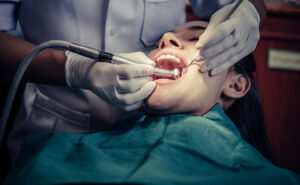
You may be asked to close your teeth together, move your jaw from side to side or demonstrate the position that feels unusual.
The dentist can examine the contact between upper and lower teeth, sometimes using thin marking materials to identify where particular surfaces meet.
These markings help assess contact patterns, but they must be interpreted alongside the examination and your symptoms.
A visible mark alone does not necessarily mean a tooth needs adjustment.
Examining the Veneer and Supporting Tooth
The dentist may assess the restoration’s edges, contours and bonding, together with the surrounding gum tissue.
Where symptoms suggest an underlying dental problem, further testing or imaging may be appropriate.
For instance, cold sensitivity combined with pain on biting may require a different investigation from an isolated sensation of excessive tooth contact.
The dentist may also ask whether you had similar symptoms before veneer treatment.
This can help distinguish a new problem from a pre-existing condition that has become more noticeable.
Reviewing Your Bite Beyond the Treated Teeth
Even when only two or four front teeth have veneers, the assessment may involve the entire bite.
The position of the back teeth, existing restorations, tooth wear and jaw movement can all be relevant.
Some patients also clench or grind their teeth, which may contribute to discomfort or place additional forces on restorations.
Where grinding is suspected, the dentist may discuss protective measures, including whether a custom-made mouthguard is appropriate for your dental needs.
The aim is to understand the cause of the discomfort rather than assume that every unusual sensation originates from the veneers.
Not Every Bite Concern Requires the Veneer to Be Replaced
Patients sometimes worry that reporting an uncomfortable bite will mean having the entire veneer removed and made again.
That is not always necessary.
The available options depend on what the examination reveals, the material used and whether the restoration remains structurally sound.
A minor contour issue may sometimes be managed through careful professional adjustment and polishing.
Other situations may require monitoring, treatment of an underlying dental condition or consideration of replacing a restoration.
Importantly, adjusting a veneer involves removing some material. It should only be undertaken when clinically justified because excessive adjustment can affect its shape, appearance or integrity.
A dentist should explain the expected benefits and limitations before making changes.
Why Repeated Adjustments Are Not Always the Answer
If a veneer has already been adjusted but the discomfort continues, the next step should involve reassessing the diagnosis.
Repeatedly reshaping the restoration without identifying the cause could introduce additional problems.
For example, a patient may describe persistent pressure on a front tooth even after an apparent high contact has been reduced.
Further investigation might reveal that the discomfort relates to tooth sensitivity, clenching or another dental condition.
The appropriate response depends on the findings, not simply on how many adjustments have already been performed.
Could Clenching Make Your Veneers Feel Uncomfortable?
Some people become more aware of their teeth after cosmetic dental treatment.
They may repeatedly close their mouth to check whether the bite feels normal or move their jaw to compare different positions.
This behaviour is understandable when something feels unfamiliar.
However, repeatedly clenching or testing the teeth can increase muscle fatigue and make certain sensations more noticeable.
People who already grind or clench their teeth may also experience increased pressure on restorations.
That does not mean anxiety or clenching explains every bite complaint. A persistent change still warrants an appropriate dental assessment.
The dentist can consider whether muscle tenderness, tooth wear or other signs of excessive biting forces are present.
If the symptoms relate partly to clenching, management may involve addressing contributing factors rather than altering otherwise satisfactory veneers.
What to Do While Waiting for Your Veneer Review
You do not need to repeatedly test the affected teeth to determine whether the bite is improving.
Instead, pay attention to when discomfort occurs during ordinary activities.
It may help to note whether the sensation is present when you first close your mouth, when chewing firmer foods or during particular jaw movements.
Avoid biting unusually hard objects or deliberately placing excessive pressure on the restored teeth.
Continue your normal oral hygiene routine, taking care around any areas that feel tender.
If chewing is uncomfortable, choosing softer foods temporarily may reduce irritation until you receive advice.
Do not attempt to adjust the veneer yourself or use over-the-counter products to alter its surface.
If a veneer becomes loose, fractures or causes significant pain, contact your dentist promptly for guidance.
Dental Veneer Consultations for Bundoora and Surrounding Suburbs
Considering dental veneers often involves more than choosing the appearance of your smile. Patients from Greensborough, Eltham, Watsonia and Macleod can visit our Bundoora dental practice to discuss treatment suitability, tooth preparation, bite function and realistic expectations before making a decision.
Our clinic also welcomes patients travelling from Rosanna, Reservoir and Mill Park for cosmetic dental consultations and ongoing care. For residents of Lalor, Thomastown and nearby communities, appointments can provide an opportunity to discuss concerns about veneer comfort, maintenance and available treatment alternatives.
Discussing Veneer Comfort With Your Dentist in Bundoora
The appearance of a veneer is only one part of evaluating its suitability.
Patients should also be able to eat, speak and bring their teeth together without persistent interference or unexplained discomfort.
If your veneers feel different after placement, a review can help establish whether the sensation is related to their shape, your existing bite or another dental condition.
At Radiant Smiles Dental Bundoora, the assessment process for veneers clinic Bundoora enquiries includes considering individual dental health, treatment goals and the suitability of available cosmetic options.
For patients who are still deciding whether to proceed with veneers, discussing bite function before treatment is also important.
A consultation can include reviewing existing tooth wear, grinding habits, the position of the teeth and whether other treatments may better address particular concerns.
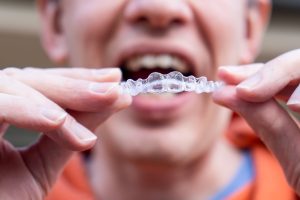
For example, where tooth alignment contributes significantly to a patient’s concerns, clear aligner treatment may be considered as an alternative approach depending on the clinical circumstances.
Veneers change the visible surfaces of teeth but do not reposition tooth roots in the way orthodontic treatment can.
Understanding this distinction helps patients make informed decisions about the most appropriate treatment for their needs.
Your Veneers Should Be Assessed for Function as Well as Appearance
A new veneer can feel unfamiliar because its shape differs from the original tooth. Some patients gradually become accustomed to these changes without requiring further treatment.
However, ongoing difficulty closing your teeth comfortably, uneven biting pressure or pain during chewing should not be dismissed simply because the veneers look satisfactory.
A dentist can assess the restorations, surrounding teeth and bite relationships to determine whether an adjustment, further investigation or another approach is appropriate.
If you are concerned about how your veneers feel, arrange a dental review and explain the specific movements or activities that cause discomfort.
The goal is to identify the reason for the change and determine an appropriate response based on your individual oral health.
Disclaimer: This article provides general educational information about bite changes and discomfort following dental veneer treatment. It does not replace a professional dental examination or personalised clinical advice. Changes in bite sensation can have several causes, and not all symptoms are related to the veneers themselves. If you experience persistent pain, difficulty chewing, a loose restoration or worsening symptoms, consult a qualified dentist for assessment.