A dental crown is a restoration that covers the prepared portion of a tooth. Crowns may be considered where a tooth has significant decay, damage or loss of tooth structure, and they may also form part of some dental implant restorations.
If a dental crown is being considered, you may wonder how long the restoration can remain in service. Crown longevity varies between patients and depends on factors such as the tooth being treated, crown material, bite forces, grinding or clenching, oral hygiene and changes to the underlying tooth.
Factors That Affect Dental Crown Longevity
Several clinical and behavioural factors can influence how long a dental crown remains serviceable, including:
- Location of the crown: Crowns on different teeth are exposed to different biting forces. The location of the restoration, bite and individual chewing patterns can influence wear over time.
- Condition of the underlying tooth: Crowns may be placed on teeth affected by decay, fracture, large existing restorations or after root canal treatment. Changes to the tooth, restoration margins or surrounding tissues can affect the crown over time.
- Dental trauma: A blow to the mouth or unexpectedly biting a hard object may damage a crown or the underlying tooth. A custom mouthguard may be considered for some contact sports to reduce the risk or severity of dental trauma.
Crown material, oral hygiene, bite forces, grinding or clenching and changes to the supporting tooth and gums can also influence longevity.
How Long Do Crowns Last? Types of Dental Crowns
Dental crowns can be made from different materials. The material selected depends on factors such as the tooth’s location, bite, remaining tooth structure and treatment requirements.
-
Porcelain Crowns
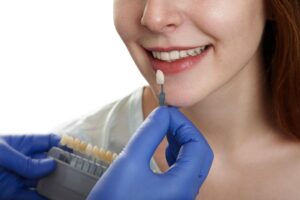
Porcelain and other ceramic materials may be used for tooth-coloured crowns. Their suitability depends on the individual tooth, bite, remaining tooth structure and other clinical factors.
-
Metal

Metal alloys may also be used for dental crowns. Different alloys have different physical properties, and their suitability depends on the clinical situation.
Gold-containing and other metal alloys may be used in some crowns. Material selection depends on factors including the tooth being treated, bite and individual treatment requirements.
-
Porcelain Fused to Metal Dental Crowns (PFMS)
A porcelain-fused-to-metal crown combines a metal substructure with an outer porcelain layer.
Porcelain-fused-to-metal and all-ceramic crowns have different material characteristics. The dentist considers factors such as tooth position, bite, available tooth structure and restoration requirements when selecting a material.
The longevity of a porcelain-fused-to-metal crown varies between patients and depends on the tooth, bite, restoration, oral hygiene and other clinical factors.
How to Care for a Dental Crown
Routine oral hygiene and dental examinations allow the crown, underlying tooth and surrounding gums to be monitored over time.
-
Maintain Your Oral Hygiene
Plaque can accumulate around the margins of a crown in the same way it can around natural teeth. Brush twice daily with fluoride toothpaste and clean between the teeth using a method recommended for your individual needs.
Mouthwash is not routinely required for every patient with a crown. Use one if it has been recommended for your individual dental needs.
-
Be Mindful of Biting Hard Objects
Crowns and the underlying teeth can be damaged by unexpectedly biting very hard objects. Avoid using your teeth to chew ice or bite non-food objects.
If a crown feels loose, catches when chewing or causes discomfort, arrange a dental assessment rather than relying on long-term avoidance of certain foods.
-
Be Mindful of Your Daily Habits
Avoid using teeth to open packaging or bite hard non-food objects, as these habits can place unnecessary force on crowns and natural teeth.
If grinding or clenching is present, a dentist may assess whether an occlusal splint or another approach is appropriate.
-
Get Regular Dental Check-Ups
A dental check-up allows the dentist to assess the crown, restoration margins, underlying tooth where possible, bite and surrounding gums. The interval between examinations should be based on individual dental needs.
Discuss Whether a Dental Crown Is Appropriate
If you have a damaged tooth, an existing crown or questions about crown longevity, Radiant Smiles Dental Bundoora can assess the tooth and restoration and discuss whether monitoring, repair, replacement or another treatment may be appropriate.
If a crown becomes loose, fractured or painful, contact Radiant Smiles Dental Bundoora to arrange an assessment. More urgent care may be appropriate where there is severe or worsening pain, significant swelling, uncontrolled bleeding or dental trauma.