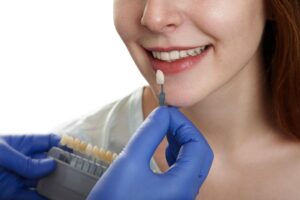
Tooth colour can change over time for several reasons, including ageing, dietary habits, smoking, medications and changes within the tooth itself. Teeth whitening may be considered for some types of discolouration, but suitability depends on the cause of the colour change and the condition of the teeth and gums.
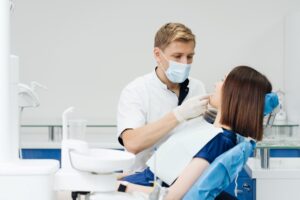
A dentist can assess the cause of discolouration and discuss whether teeth whitening treatment may be appropriate, along with possible side effects, limitations and alternatives.
Is Teeth Whitening Safe? Product Strength and Professional Guidance
Whitening products contain bleaching agents at different concentrations. Using an inappropriate product or applying whitening agents incorrectly can increase the risk of tooth sensitivity and irritation or injury to the gums and other soft tissues.
Whitening products obtained from unregulated or uncertain sources may contain ingredients or concentrations that are not appropriate for individual use. Excessive or incorrect exposure to whitening agents can irritate oral tissues and may affect tooth structure.
What Teeth Whitening Treatments are Available?
Radiant Smiles Dental Bundoora offers in-chair and take-home whitening options for patients who are assessed as suitable for treatment.
In-chair Philips Zoom teeth whitening
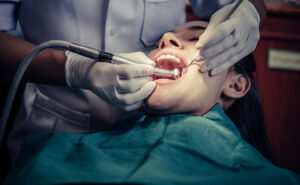
In-chair whitening involves applying a whitening agent to the teeth under professional supervision. The degree of colour change and treatment time vary between patients and depend on factors such as the type of discolouration and starting tooth shade.
During in-chair whitening, a whitening gel is applied according to the treatment protocol. Depending on the whitening system used, an activating light may also form part of the procedure. The number of applications and resulting shade change vary between patients.
Take-home custom teeth whitening trays
Take-home whitening may be appropriate for some patients after a dental assessment. A dentist can provide instructions about the whitening product, application and duration of use based on the individual treatment plan.
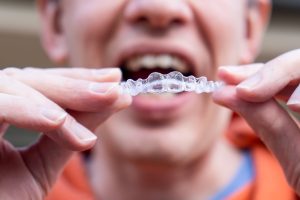
Custom whitening trays are made to fit over the teeth and are used with the whitening product provided as part of the treatment plan. Instructions vary according to the product concentration and individual circumstances.
The whitening agent concentration and recommended wearing time depend on the product prescribed and individual treatment plan. Follow the instructions provided for the specific whitening system.
The amount and timing of colour change with take-home whitening vary between patients. Additional whitening should only be used according to the instructions provided for the individual treatment plan.
Is Teeth Whitening Safe: What are the Possible Side Effects of Tooth Whitening?
Possible side effects of teeth whitening include temporary tooth sensitivity and irritation of the gums or other soft tissues. The likelihood and severity of side effects vary according to the whitening product, concentration, application and individual dental condition.
Soft tissue irritation may occur if whitening material contacts the gums or other oral tissues. Patients should follow the product instructions and contact their dentist if sensitivity or irritation is persistent, severe or concerning.
Is Teeth Whitening Safe: How Frequently Can You Whiten Your Teeth?
Whitening products should be used according to the instructions provided for that product and the individual treatment plan. Repeated or excessive use can increase the likelihood of sensitivity and soft tissue irritation.
There is no single whitening interval that is appropriate for every patient. The timing of any further whitening depends on the product used, previous treatment, oral health, sensitivity and the dentist’s assessment.
Is Teeth Whitening Safe: Who Should Not Use Teeth Whitening Treatments?
Teeth whitening is not appropriate for every patient or every type of discolouration. Existing restorations, untreated decay, gum conditions, tooth sensitivity and other clinical factors may influence whether whitening is suitable.
Whitening agents generally do not change the intrinsic colour of dental veneers or dental crowns. If restorations no longer match the surrounding teeth, a dentist can assess the cause and discuss appropriate options.
Whitening treatment for children and adolescents requires careful consideration of age, dental development, the cause of discolouration and clinical circumstances. A dentist should assess the tooth colour before any whitening treatment is considered.
Why a Dental Assessment Matters Before Whitening
Not every change in tooth colour responds to bleaching. Discolouration may come from surface staining, changes within the tooth, existing restorations, decay or previous dental treatment.
A dental check-up can help identify the likely cause before whitening is considered. The dentist can also assess for decay, gum problems, exposed root surfaces, existing sensitivity, crowns, veneers or fillings that could affect treatment planning.
Discuss Teeth Whitening in Bundoora
If you are considering teeth whitening, Radiant Smiles Dental Bundoora can assess the cause of tooth discolouration and discuss whether in-chair whitening, take-home whitening or another approach may be appropriate.
You can contact Radiant Smiles Dental Bundoora to arrange an assessment before starting whitening treatment.