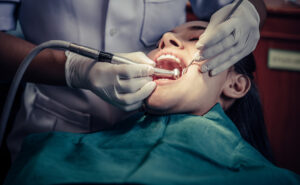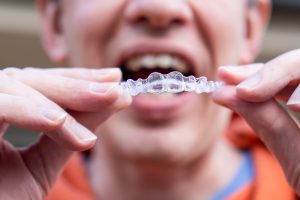
A broken tooth may require urgent dental assessment, particularly if it is accompanied by severe pain, significant bleeding, swelling or dental trauma.
This article explains some common causes and symptoms of broken teeth and how management may vary according to the extent of the damage.
Broken tooth pain can have different causes and may require different forms of dental management.
Causes of a chipped or broken tooth
Factors that may contribute to a chipped or broken tooth include:
- Dental trauma from falls, sporting injuries or other blows to the mouth
- Grinding or clenching
- Large existing restorations or reduced remaining tooth structure
- Biting hard non-food objects such as ice
- Changes to teeth and restorations over time
How do you know if you have a broken tooth?
Some tooth fractures are immediately visible, while others can be difficult to identify. Dental X-rays may not clearly show every crack. Possible symptoms include pain during biting, temperature sensitivity or localised discomfort, although these symptoms can have other causes.
Temperature sensitivity
A broken or cracked tooth may be sensitive to hot, cold or sweet foods and drinks. Sensitivity can also have other dental causes, and the severity of symptoms does not reliably indicate the depth of a crack.
Infection
A broken tooth may sometimes be associated with pulp inflammation or infection, particularly if deeper tooth structure is involved. Symptoms can include persistent or worsening pain, swelling, tenderness or pus, although these symptoms can also have other causes.
Pain when chewing
A cracked or broken tooth may cause pain during biting or when pressure is released. However, this symptom can also occur with other dental conditions, so examination is needed to determine the cause.
Gum Swelling
Swelling around a tooth can occur for several reasons, including infection or inflammation. It does not by itself confirm that the dental pulp has been damaged.
How May a Broken Tooth Be Managed?
Management depends on the location and extent of the fracture, symptoms, pulp condition and remaining tooth structure. Urgent assessment may be appropriate where there is severe or worsening pain, significant swelling, uncontrolled bleeding or dental trauma.
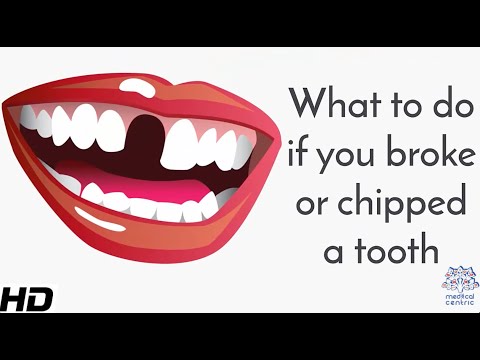
Depending on the clinical findings, treatment options may include:
Teeth Bonding
Dental bonding may be considered for selected minor chips or fractures where enough tooth structure remains for a direct composite restoration.
Root canal therapy
If the dental pulp is irreversibly inflamed or infected and the tooth is otherwise suitable for treatment, root canal treatment may be considered.
Tooth Extraction
Tooth extraction may be considered where a broken tooth cannot be predictably restored.
Crown
A dental crown may be considered where the fracture pattern and remaining tooth structure are suitable for a full-coverage restoration. Tooth preparation requirements vary according to the individual tooth and restoration.
Veneers
Dental veneers are thin restorations placed over the front surface of selected teeth. They may be considered for some chipped front teeth where the remaining tooth structure, bite and fracture pattern are suitable.
Veneer treatment may involve removal of enamel to create space for the restoration. The amount of preparation, fabrication process and number of appointments vary according to the veneer design and individual treatment plan. The restoration is bonded using the adhesive system appropriate for the veneer material.
Temporary Measures While Waiting for Dental Assessment
Some temporary measures may be appropriate while waiting for dental assessment, but they do not treat the underlying cause of a broken tooth.
- Over-the-counter pain relief may be appropriate for some people. Follow the product instructions and ask a pharmacist, doctor or dentist if you are unsure whether a medicine is suitable for you.
- If food is trapped between teeth, gentle cleaning may be appropriate if it can be done without causing additional pain or disturbing the damaged tooth.
- Some pharmacy products are intended for temporary use after certain types of dental damage. Follow the product instructions carefully and ask a pharmacist or dentist if you are unsure whether a product is appropriate.
- A gentle warm salt-water rinse may be used by some adults to help keep the mouth clean. Do not swallow the rinse.
Is a broken tooth always a dental emergency?
Not every broken tooth requires emergency treatment. The urgency depends on the extent of the damage and symptoms. Severe or worsening pain, significant swelling, uncontrolled bleeding, a knocked-out adult tooth or significant dental trauma may require urgent assessment.
Arrange an Assessment for a Broken Tooth
If you have a broken or painful tooth, contact Radiant Smiles Dental Bundoora to arrange an assessment. A dentist can examine the tooth and discuss treatment options based on the clinical findings.
Seek urgent medical assessment if dental or facial symptoms are causing difficulty breathing, significant difficulty swallowing, rapidly increasing facial or neck swelling, uncontrolled bleeding or another potentially life-threatening problem.