Dental veneers are thin restorations made from materials such as porcelain or composite resin and placed over the front surface of selected teeth. They may be considered for concerns involving tooth colour, shape, proportions, minor spacing or surface defects, depending on clinical suitability.
Veneer treatment varies according to the material used, amount of tooth preparation required and individual treatment plan. Before proceeding, a dentist should assess the teeth and gums and discuss potential risks, limitations, alternatives and ongoing maintenance.
Porcelain and Composite Dental Veneers
There are two types of dental veneers available, traditional porcelain veneers and composite resin veneers.
Porcelain veneers are thin ceramic restorations bonded to the front surface of selected teeth. Suitability depends on the tooth position, available enamel, bite and other clinical factors.
Composite veneers are made from tooth-coloured resin that may be applied directly to the tooth surface. Composite and porcelain veneers differ in their material properties, preparation requirements, repair options and maintenance considerations.
Either material may be considered for selected cosmetic concerns, but the final appearance and longevity vary according to the individual tooth, restoration design, bite and ongoing care.
When May Porcelain Veneers Be Considered?
Porcelain veneers are a cosmetic dental treatment that may be considered for selected changes to the visible surfaces of teeth. Whether they are appropriate depends on the condition of the teeth and gums, available enamel, bite and treatment goals.

Porcelain veneers may be designed and fabricated using laboratory and digital workflows, including CAD/CAM technology where appropriate.
A dental laboratory may use impressions, digital scans, photographs and shade information provided by the dentist to fabricate the planned restoration.
The number of appointments and the sensations experienced during treatment vary according to the veneer type, preparation required and individual circumstances.
Porcelain veneers are not suitable for every patient or every tooth. Suitability should be determined through individual dental assessment.
Crooked Teeth
Veneers may alter the visible shape of selected teeth or cover some chipped tooth structure where clinically appropriate. They do not move teeth in the same way as orthodontic treatment.
Uneven Teeth
Veneers may be considered where changes to the visible shape or proportions of selected teeth are being discussed.
Veneers may alter the visible contours of selected teeth where clinically suitable.
Short, Discoloured Teeth
Veneers may alter the visible proportions of selected teeth depending on the existing tooth structure and treatment plan.
Veneers may alter the visible shade of selected teeth. The cause of discolouration and condition of the tooth should be assessed before treatment.
Improper Dental Spacing
Veneers may alter the visible appearance of minor spacing in selected cases. Where tooth position or crowding is a concern, orthodontic treatment may also need to be considered.
Worn Teeth
Where tooth wear is present, the cause and extent of the wear should be assessed before veneers are considered. Bruxism, bite forces and the amount of remaining tooth structure can affect suitability.
What Does the Porcelain Veneer Process Involve?
If you are considering porcelain veneers, it is natural to wonder how they are fitted.
The treatment process and number of appointments vary according to the individual case. Common stages may include assessment, tooth preparation, fabrication, bonding and follow-up.
The first visit
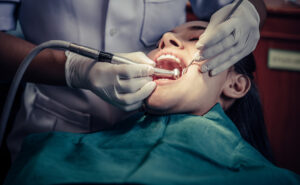
The initial consultation involves assessment of the teeth, gums, bite, existing restorations and relevant health information. The dentist can discuss whether veneers or another treatment may be appropriate. Photographs, X-rays, impressions or digital scans may be used where clinically required.
The second visit
Veneer treatment may involve removal of enamel to create space for the restoration. The amount of preparation varies according to tooth position, existing tooth structure and veneer design.
An impression or digital scan may be taken after preparation where required. Temporary restorations may be provided depending on the amount of preparation and individual treatment plan.
The third visit
Before bonding, the dentist assesses the veneer’s fit, shade, shape and relationship with surrounding teeth and the bite. Adjustments may be made where required before the restoration is bonded using an appropriate adhesive system.
The veneers may then be finished, polished and assessed as part of the final placement.
Considerations With Porcelain Veneers
Porcelain veneers have specific material and treatment characteristics that should be considered alongside their risks and limitations.
Stain resistant
Porcelain, bonding materials and surrounding natural teeth may change in appearance differently over time.
Luminescent
Veneer treatment planning may consider material, shade, shape and surrounding teeth. The final appearance varies between patients and restorations.
 Minimal Care
 Minimal Care
Ongoing care generally includes brushing twice daily with fluoride toothpaste, cleaning between the teeth and attending dental examinations at intervals recommended for individual needs.
Easy Application
The number of appointments and treatment process vary according to the veneer design, preparation required and fabrication method.
Indiscernible
The planned shade and shape of veneers are considered in relation to the surrounding teeth. The final appearance varies according to individual clinical circumstances.
Permanent
Veneer treatment may involve irreversible removal of natural enamel. The restorations can require repair or replacement over time, and longevity varies between patients.
Porcelain veneers are one treatment option that may be considered after individual dental assessment. Potential risks, limitations, alternatives and maintenance requirements should be discussed before proceeding.
Composite Dental Veneers
Composite veneers use tooth-coloured resin material that may be applied directly to selected tooth surfaces.
A Step-by-Step Guide to Composite Veneers
If you are considering composite veneers, it is useful to understand the assessment, preparation, placement and maintenance involved.
Diagnosis
The dentist assesses the teeth, gums, bite and treatment goals to determine whether composite veneers or another approach may be appropriate.
Preparation
If composite veneers are considered suitable, some tooth preparation may be required depending on the individual tooth and restoration design.
Shade Selection
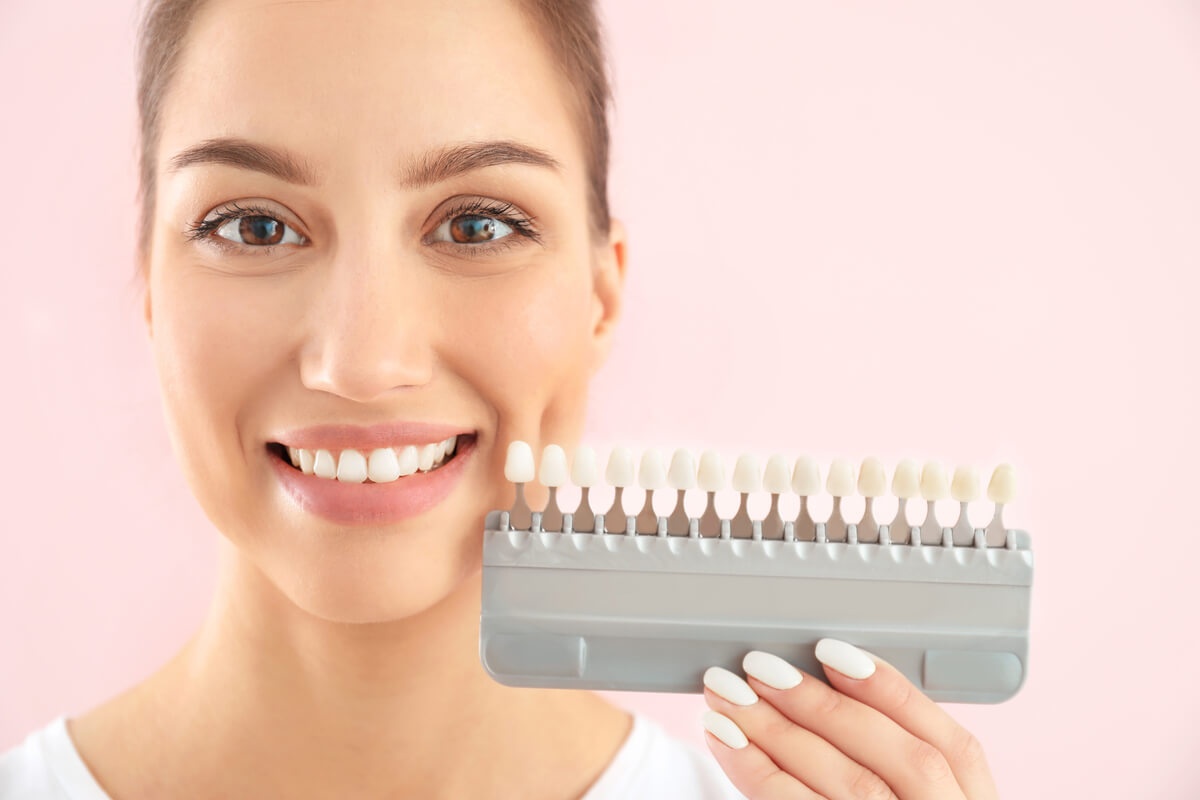
The dentist may select a composite shade with consideration of surrounding teeth and the planned restoration.
Bonding
Composite resin is applied and shaped according to the treatment plan before being hardened using the appropriate curing system.
Curing
Composite resin is hardened using a curing light according to the material manufacturer’s instructions.
Finishing
After placement, the restoration is shaped and polished according to the treatment plan.
 Maintenance
 Maintenance
Ongoing oral care generally includes brushing twice daily with fluoride toothpaste, cleaning between the teeth and attending dental examinations at intervals recommended for individual needs.
Composite veneers may be considered for selected concerns after individual dental assessment. Their appearance, maintenance requirements and longevity vary between patients and restorations.
Considerations With Composite Veneers
Composite veneers have different treatment characteristics from porcelain veneers, including differences in preparation, repair and maintenance.
Resilience
Composite veneers can chip, wear, fracture or require repair or replacement over time. Their longevity varies according to the restoration, bite forces, grinding or clenching, trauma and ongoing care.
Aesthetics
Composite veneers may alter the visible shape, shade or proportions of selected teeth where clinically appropriate.
Non-invasive
Some composite veneer treatments may require less tooth preparation than some porcelain veneer treatments. Whether natural tooth structure needs to be altered depends on the individual case.
Quick results
Direct composite veneers may sometimes be completed without laboratory fabrication. Treatment time and the number of appointments depend on the number of teeth and treatment complexity.
Reversible
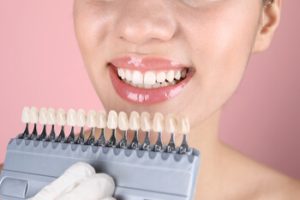 Reversible
Whether composite veneer treatment is reversible depends on whether natural tooth structure has been altered. If removal or replacement is being considered, the tooth should be assessed first.
Cost
Fees for composite and porcelain veneers vary according to the material, number of teeth involved, preparation and treatment complexity. An individual treatment plan and fee estimate can be provided after assessment.
Discuss Dental Veneer Treatment in Bundoora
Dental veneers are one cosmetic treatment that may be considered for selected concerns involving visible tooth surfaces.
If veneers are being considered, the dentist can explain the proposed material, preparation, treatment process, potential risks, limitations, alternatives and maintenance requirements.
The dentist can explain each stage of treatment and answer questions before treatment proceeds.
If you are considering veneers, a dental assessment can help determine whether the treatment may be suitable for your individual circumstances.
Book an appointment to discuss veneer treatment suitability, preparation requirements, risks, limitations and alternatives.