Dental veneers are one cosmetic treatment that may be considered for selected concerns involving the appearance of teeth. This article explains how teeth may be prepared before veneer placement and what factors influence the treatment process.

What Are Dental Veneers?
Dental veneers are thin restorations placed over the front surface of selected teeth. They may be made from materials such as porcelain or composite resin and may be considered for concerns involving tooth colour, shape, proportions or minor positional differences.
Veneers may be fabricated directly using composite resin or produced indirectly before being bonded to the tooth. The process varies according to the material and individual treatment plan.
What Factors Affect Veneer Suitability?
Veneers may be considered for selected concerns involving tooth colour, shape, surface defects or minor spacing. Suitability depends on the condition of the teeth and gums, available enamel, bite, grinding or clenching habits and other clinical factors.
Factors to Consider Before Veneer Treatment
Appearance and Treatment Planning
Veneer planning may consider tooth shade, shape, proportions and surrounding teeth. The final appearance varies according to the material used, existing tooth structure and individual treatment plan.
Factors That Can Affect Veneer Longevity
Veneer longevity varies between patients. Factors can include the material used, remaining tooth structure, bite forces, grinding or clenching, trauma, oral hygiene and ongoing dental care.
How Much Tooth Preparation Is Required?
The amount of tooth preparation varies according to the veneer type, tooth position, existing restorations and treatment plan. Some veneers require enamel removal, which is irreversible once performed.

Types of Veneer Preparation And Techniques
Veneer preparation can vary according to the amount and location of tooth structure that needs to be modified. The approach is determined by the dentist based on the tooth and proposed restoration.
Contact Lens Type
Some veneer designs involve relatively limited tooth preparation. The amount of enamel removed depends on tooth position, restoration thickness and the intended treatment plan. This approach is not suitable for every tooth.
Classic Conventional Type
Conventional veneer preparation may involve removal of enamel from the front surface and margins of the tooth to create space for the restoration. The amount of preparation varies according to the tooth and veneer design.
Wrap Around or 3/4 Type
Some veneer preparations extend around additional tooth surfaces. Whether this approach is appropriate depends on the tooth structure, restoration design and clinical requirements.
A dentist can assess the condition of the teeth, bite, available enamel and treatment goals before discussing which preparation approach may be appropriate.
Do You Want To Learn More About The Dental Veneer Procedure?
There are two common types of veneers: Porcelain and Composite veneers. In this discussion, we’ll cover what you should know about these veneers and their respective procedures.
Porcelain Veneers Procedure
Porcelain veneers are indirect restorations that are generally fabricated outside the mouth before being bonded to prepared teeth. The number of appointments and amount of preparation vary according to the individual treatment plan. Tooth preparation may involve removal of enamel to provide space for the veneer, depending on the design and clinical requirements.
Composite Veneers Procedure
The materials used to make them are equivalent to those used for fillings that match the colour of the teeth, called composite resin. Composite resin may be applied directly to the tooth surface and shaped before being hardened and polished. The number of appointments varies according to the number of teeth and treatment complexity.
First, your dentist will roughen the surface of each tooth slightly to help the composite bond. Then, the dentist will apply a thin layer of composite material to your teeth and mould and sculpt the material to your desired shape. When the resin has congealed, the dentist will polish it to make it look like your natural teeth.
What Are The Reasons For Preparing Teeth For Veneers?
Before veneer treatment, the dentist assesses the teeth and gums for concerns such as decay, fractures, existing restorations or gum disease. These findings may affect whether veneers are suitable or whether other treatment should be considered first.
Veneer Preparation Step By Step
We’ll go over everything you need to know about the preparation process for veneers and what to expect during this procedure.
Step 1: Initial Consultation
The first step is a dental assessment. The dentist can examine the teeth and gums, discuss treatment goals and explain whether veneers or another treatment option may be appropriate. Preparation requirements, limitations, risks and ongoing care can also be discussed.
Step 2: Tooth Enamel Removal
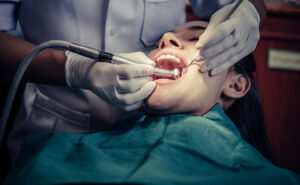
Tooth preparation may involve removal of enamel from the front surface of the tooth. Local anaesthesia may be used where appropriate. An impression or digital scan may then be taken to assist with fabrication of the restoration.
Step 3: Temporary Dental Veneers
Temporary restorations may be provided while indirect veneers are being fabricated, depending on the amount of tooth preparation and individual treatment plan.
Step 4: Bonding The Veneers
Before bonding, the dentist assesses the veneer’s fit, shade, shape and relationship with the surrounding teeth and bite. Adjustments may be made before the restoration is bonded according to the material and adhesive system being used.
Step 5: Follow-Up
A follow-up appointment may be recommended to assess the veneers, bite and surrounding tissues. Sensitivity or discomfort can occur after treatment and varies between patients. Persistent or worsening symptoms should be discussed with the dentist.
Tips for Preparing Teeth for Veneers
Preparation before veneer treatment depends on the findings from the dental assessment and the proposed treatment plan.

Please Ensure A Thorough Cleaning Is Performed
If plaque, calculus or gum inflammation is present, the dentist may recommend appropriate oral hygiene care or professional cleaning before veneer treatment.
Manage Pain With Medication
If pain relief is required before or after treatment, follow the advice provided by your dentist, doctor or pharmacist and the instructions for any medication being used.
Digital Treatment Planning
Digital photographs, scans or other planning tools may be used to assess tooth shape, proportions and the proposed restoration. Some treatment workflows may also allow a patient to review a planned design before treatment begins, although the final clinical result can differ from a digital preview.
Choosing the Right Shade
Veneer shade selection may take into account surrounding teeth, restorative material, treatment goals and other clinical factors. The dentist can discuss available shade options during treatment planning.
Factors That Can Affect Veneer Longevity and Maintenance
Material Used
Veneer materials differ in their physical properties, maintenance requirements and repair options. Material selection should be based on the tooth, bite, restoration design and individual treatment plan.
Fit and Adhesion
Veneer fit, bonding and the relationship with the bite are assessed during treatment. Poor fit or bonding problems may contribute to sensitivity, gum irritation, bite concerns or restoration failure.
Oral Hygiene
Ongoing oral care includes brushing twice daily with fluoride toothpaste and cleaning between the teeth. Dental examinations allow the dentist to assess the veneers, underlying teeth and surrounding gums over time.
Lifestyle Choices
Habits such as grinding or clenching and using teeth to bite hard non-food objects may affect veneers over time. A dentist can provide individual advice based on the restoration and bite.
Adjustments and Maintenance After Veneer Placement
After veneer placement, the dentist may assess the bite, fit and surrounding tissues and make adjustments where required. Follow any individual aftercare instructions provided for your treatment. A mouth guard or splint may be discussed where grinding or clenching is relevant.
Conclusion
Veneer preparation varies between patients and may involve changes to natural tooth structure. Before proceeding, a dentist should assess the teeth and gums and discuss treatment suitability, preparation requirements, risks, limitations, alternatives and ongoing maintenance.
If you are considering veneers, contact Radiant Smiles Dental Bundoora to arrange an assessment and discuss whether the treatment may be suitable for you.
References
https://my.clevelandclinic.org/health/treatments/23522-dental-veneers
https://www.healthline.com/health/dental-veneers
https://www.webmd.com/oral-health/guide/veneers
External Links