Oral health involves more than the appearance of the teeth. The condition of the teeth, gums and other oral tissues can be associated with aspects of general health, and some medical conditions can also affect the mouth.
Understanding the Foundations – What is Oral Health?
Oral health includes the condition of the teeth, gums, oral tissues and jaw function. It also includes the prevention, assessment and management of concerns such as tooth decay, gum disease, oral infections and other dental conditions.
Associations Between Oral Health and General Health
Research has identified associations between some oral conditions and general health conditions, including diabetes and cardiovascular disease. These relationships can be complex, and an association does not necessarily mean that one condition directly causes the other.
Everyday Oral Health Care
Routine oral care may include brushing twice daily with fluoride toothpaste, cleaning between the teeth and attending dental examinations at intervals recommended for your individual needs. Diet, tobacco use and other lifestyle factors can also influence oral health.
Exploring the Oral-Systemic Connection
Oral and general health can influence each other in several ways. For example, some systemic conditions can affect the gums and other oral tissues, while oral inflammation has also been studied in relation to general health conditions. These relationships are complex and should not be interpreted as direct cause-and-effect in every patient.
Periodontal Health and Its Role in Systemic Conditions
Periodontal health refers to the gums and other tissues that support the teeth. Periodontitis has been studied in association with conditions such as diabetes and cardiovascular disease, although these relationships are influenced by multiple health and lifestyle factors.
Oral Health Across the Lifespan – From Childhood to Aging
Oral health needs can change through childhood, adolescence, adulthood and later life. Factors such as tooth development, medications, medical conditions, gum health and the presence of restorations may influence dental care at different stages.
Women’s Oral Health – Unique Considerations
Hormonal changes during life stages such as pregnancy and menopause can influence the gums and other oral tissues. For example, some people experience increased gum inflammation during pregnancy. Persistent bleeding, swelling or other oral changes should be assessed by a dentist.
The Impact of Lifestyle Choices on Oral and Overall Health
Diet, tobacco use and alcohol consumption can affect oral health. These factors may influence concerns such as tooth decay, gum disease, staining, dry mouth and other oral conditions.
The Role of Routine Dental Assessment
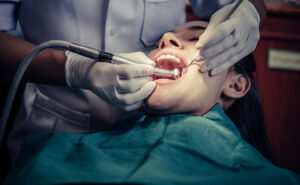
Dental examinations allow a dentist to assess the teeth, gums and existing restorations and discuss whether monitoring, professional cleaning or treatment may be appropriate. The recommended frequency of dental visits varies according to individual oral health needs.
Oral health and general health can be related in several ways, but these relationships vary according to the condition and the individual patient. Maintaining routine oral hygiene and arranging dental assessment when concerns arise can help support appropriate dental care over time.