Life throws curveballs, and sometimes those curveballs land right in your mouth. Dental emergencies can strike at any time, causing pain, discomfort, and a whole lot of worry. But don’t fret! By being prepared with an emergency dentistry kit, you can handle these situations calmly and effectively until you can see a dentist.
Why Do I Need an Emergency Dentistry Kit?
Imagine this: you’re out enjoying a delicious meal when suddenly, you crack a tooth. Or maybe you wake up in the middle of the night with a throbbing toothache. In these moments, rushing to the store for supplies isn’t exactly ideal. An emergency dentistry kit keeps essential items on hand, so you can address minor dental issues and minimize discomfort until you can get professional help.
What Should Be in My Emergency Dentistry Kit?
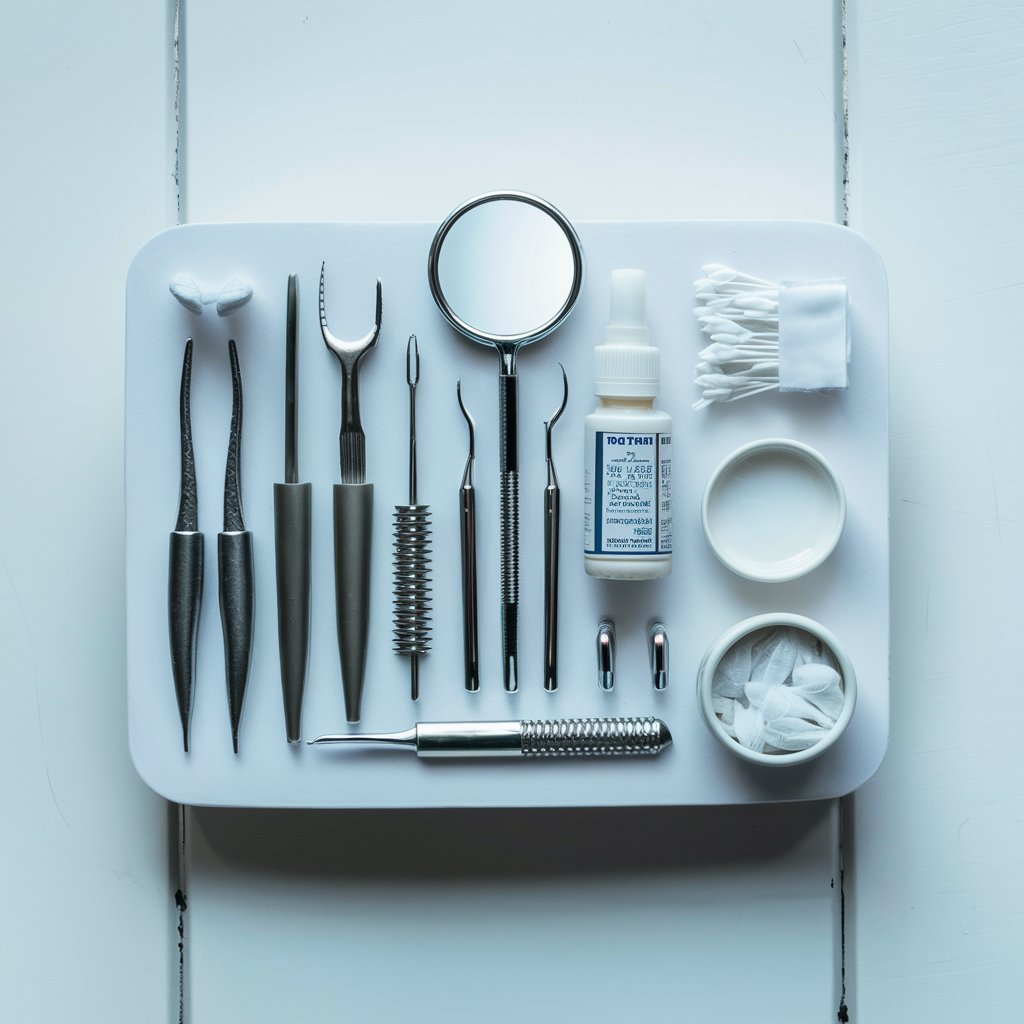
Here’s a breakdown of the must-have items for your emergency dentistry kit:
Pain Relief
- Over-the-counter pain relievers: Stock up on pain relievers like ibuprofen or acetaminophen to manage discomfort until you see a dentist.
Oral Care Essentials
- Dental floss: A lifesaver for dislodging stubborn food particles that might be causing irritation or pain.
- Antibacterial mouthwash: Provides a quick and refreshing way to clean your mouth, especially if you’re unable to brush properly.
For Temporary Fixes
- Temporary dental filling material: This can be a lifesaver for a lost filling or crown, offering a protective layer until you visit the dentist.
- Dental cement: If you have a loose crown or bridge, dental cement can provide a temporary fix to hold you over until a professional appointment.
- Dental wax: Does a chipped tooth have a sharp edge irritating your tongue? Dental wax can smooth it out and provide some comfort.
Saving a Knocked-Out Tooth
Time is critical when dealing with a knocked-out tooth! Here’s what you’ll need to act fast:
- Small container with a lid: This will hold the tooth until you can get to the dentist.
- Saline solution: If you don’t have saline solution, mix half a teaspoon of table salt with a cup of lukewarm water. This will help preserve the tooth.
Additional Items to Consider
- Cotton swabs: Useful for cleaning and applying medication.
- Gauze pads: To control minor bleeding.
- Dental mirror: Allows you to get a better look inside your mouth to inspect any problems.
- Cold compress: This can help reduce swelling and pain from a chipped tooth, injury, or abscess.
- Pain-relieving gel: For numbing sore gums or a toothache (consult your dentist for recommendations).
Keeping Your Kit Stocked and Ready
- Sturdy container: Choose a small, portable container that can easily fit in your purse, backpack, or glove compartment.
- Label it clearly: Mark it as your “Emergency Dentistry Kit” for easy identification.
- Check and restock regularly: Make sure medications haven’t expired and replace used items promptly.
Remember: An emergency dentistry kit is for temporary relief, not a replacement for professional dental care. If you experience a dental emergency, see a dentist as soon as possible for proper diagnosis and treatment.
By following these tips and assembling your emergency dentistry kit, you’ll be prepared to face unexpected dental situations with confidence!
Conclusion
Having an emergency dentistry kit can be a lifesaver when faced with unexpected dental issues. By including essential items like gauze pads, pain relievers, and dental wax, you can effectively manage dental emergencies until you can seek professional help. Remember to keep your kit well-stocked and easily accessible so that you can handle any tooth troubles with confidence.