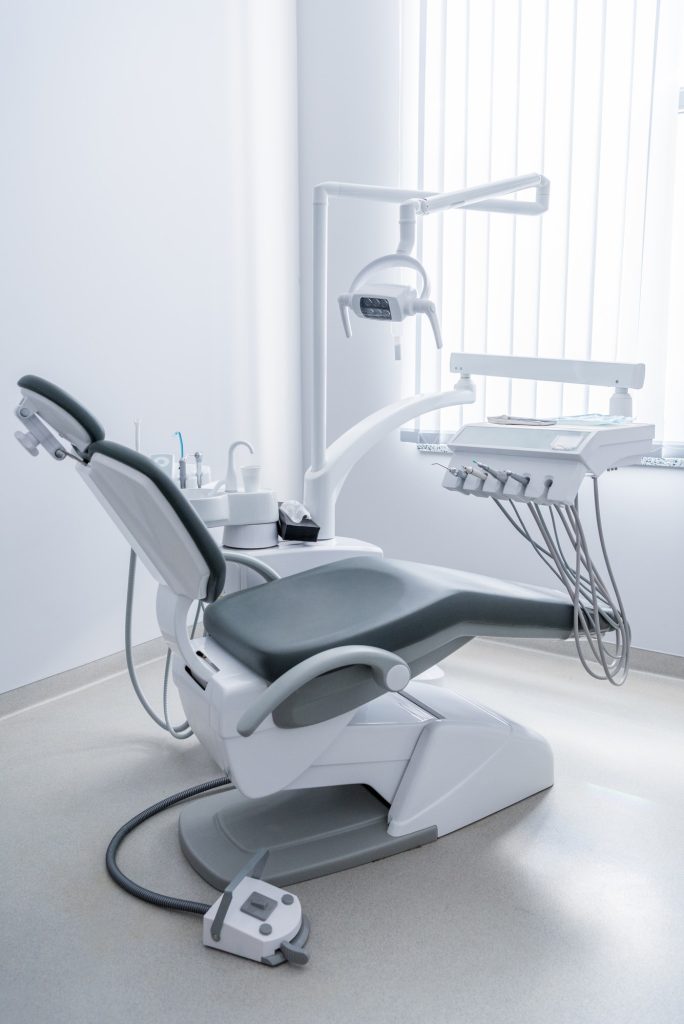
Some dental problems can progress without causing severe symptoms at first. Recognising changes that may require assessment can help you decide when to see a Bundoora dentist for examination and advice.
Below are 10 signs that may warrant dental assessment, along with practical information about what they can indicate.
1. Persistent Toothache
Persistent or worsening tooth pain should be assessed by a dentist. Possible causes include tooth decay, inflammation or infection of the dental pulp, cracks, gum disease or other dental conditions. Over-the-counter pain medication may help manage symptoms temporarily when used as directed, but it does not identify or treat the underlying cause.
2. Bleeding or Swollen Gums
Bleeding or swollen gums can be associated with gingivitis, periodontitis, brushing or flossing trauma, medications or other factors. Persistent bleeding should be discussed with a dentist so the cause can be assessed. Routine dental check-ups and cleans also allow the dentist to monitor gum health over time.
3. Increased Tooth Sensitivity
Sensitivity to hot, cold or sweet foods can be associated with exposed dentine, gum recession, tooth decay, cracks or other dental conditions. Treatment depends on the cause and may involve monitoring, preventive care or restorative treatment where appropriate.
4. Cracked, Chipped, or Broken Teeth
Chips, cracks or broken tooth structure can occur after trauma, biting forces, grinding or other causes. Depending on the location and extent of the damage, a dentist may recommend monitoring or treatment such as bonding, a filling, crown or another restorative option.
5. Persistent Bad Breath
Persistent bad breath can have dental and non-dental causes. Dental causes may include gum disease, tooth decay, oral infections or plaque accumulation. A dentist can assess whether an oral health condition may be contributing and discuss appropriate management.
6. Loose or Shifting Teeth
New movement in an adult tooth, changes in spacing or changes in the bite should be assessed by a dentist. Possible causes include gum disease, loss of supporting bone, trauma or other dental conditions.
7. Jaw Pain or Difficulty Chewing
Jaw discomfort, clicking or difficulty chewing can have several causes, including teeth grinding, bite-related factors and temporomandibular joint conditions. A dentist can assess the jaw, teeth and bite and discuss whether further investigation or treatment is appropriate.
8. Mouth Sores That Don’t Heal
Mouth ulcers and other sores can have many causes, but a sore that persists for around two weeks or does not appear to be healing should be assessed by a dentist, doctor or other appropriate healthcare professional. Persistent oral lesions can sometimes require further investigation.
9. Abscess or Swelling Around a Tooth
A dental abscess is associated with infection and may cause swelling, pain, fever, pus or a bad taste in the mouth. Prompt dental assessment is appropriate if an abscess is suspected. Treatment depends on the source and extent of the infection and may include drainage, root canal treatment, extraction or other care where clinically appropriate. Difficulty breathing, significant difficulty swallowing or rapidly increasing facial or neck swelling may require urgent medical assessment.
10. Changes in Tooth Colour or Appearance
Dark areas, staining or other changes in tooth colour can have several causes, including surface staining, tooth decay, trauma or changes within the tooth. A dental examination can help determine whether treatment or monitoring is appropriate.
Risk Factors That Increase the Need for Dental Visits
Individual oral health risk can be influenced by medical conditions, medications, lifestyle factors and dental history. Risk factors include:
- Medical conditions that may affect oral health, including diabetes
- Smoking or frequent alcohol consumption
- Dry mouth caused by medications or health conditions
- A family history of gum disease
- Regular teeth grinding or clenching
FAQs About Seeing a Dentist
How often should I see a dentist?
There is no single recall interval that is appropriate for everyone. Your dentist can recommend how often you should attend based on your oral health, medical history and individual risk factors.
What if my pain goes away on its own?
Pain can sometimes reduce or disappear even when the underlying dental condition remains. If you have had unexplained, recurring or significant dental pain, consider arranging an assessment even if the symptoms have temporarily settled.
Is every problem a dental emergency?
Not every dental problem requires emergency treatment. Severe or rapidly worsening pain, significant swelling, trauma, uncontrolled bleeding or suspected infection may require urgent dental assessment. Difficulty breathing, significant difficulty swallowing or rapidly increasing facial or neck swelling may require urgent medical care.
When to Arrange a Dental Assessment
If you notice persistent, worsening or unexplained changes in your teeth, gums, mouth or jaw, a dental assessment can help identify the likely cause and determine whether monitoring, treatment or further investigation is appropriate.
If you have noticed any of these symptoms, you can arrange an assessment with a dentist in Rosanna or review the services available at Radiant Smiles Dental Bundoora.
Disclaimer:
The information provided in this blog is for general educational purposes only and should not be taken as medical advice. It is not a substitute for professional diagnosis, treatment, or care. Always seek the guidance of your doctor or other qualified healthcare professional with any questions you may have regarding your health or medical condition.