A dentist may recommend dental fillings where decay or another limited defect can be managed with a direct restoration. Some patients experience temporary sensitivity after a filling, although the duration and severity vary. Persistent, worsening or severe symptoms should be assessed by a dentist.
What is Tooth Sensitivity?
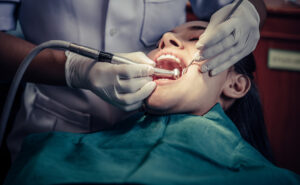
A dental filling replaces tooth structure removed during treatment of decay or another defect. Local anaesthetic may be used where appropriate. Temporary numbness of the lip, cheek or tongue can occur after local anaesthetic and usually resolves as the anaesthetic wears off.
Sensitivity after a filling may occur when the tooth is exposed to temperature, pressure or certain foods and drinks. Symptoms can include brief discomfort or a sharp sensation, but similar symptoms may also have other dental causes.
Causes of Tooth Sensitivity After Filling
Sensitivity after a filling can have several possible causes. A dental assessment may be needed if symptoms persist, worsen or interfere with biting.
- Irritated nerve
The dental pulp may become temporarily irritated after treatment, particularly where decay or the restoration is close to the pulp. Symptoms may settle over time, but the duration varies between patients.
- Change in your bite
If a restoration contacts the opposing teeth differently from the surrounding teeth, biting pressure may cause discomfort or sensitivity. A dentist can assess the bite and adjust the restoration where clinically appropriate.
- Referred pain
Sometimes discomfort may be perceived in a nearby tooth rather than precisely at the source. If the location of sensitivity is unclear or symptoms persist, a dentist can examine the teeth and surrounding tissues to identify the likely cause.
- Allergic reaction
Reactions to dental materials are uncommon but can occur. If you develop unusual swelling, rash, itching or another concerning symptom after dental treatment, contact your dentist or an appropriate medical professional for assessment.
Why Dental Fillings May Be Recommended
Dental fillings may be used to restore selected areas of tooth structure affected by decay or limited damage. Whether a filling is suitable depends on the extent and location of the defect and the amount of remaining tooth structure.
- Treat Tooth Structure Affected by Decay
Tooth decay can progress through enamel and dentine and may eventually involve the dental pulp. Symptoms can include sensitivity or pain, although some areas of decay cause few noticeable symptoms.

Persistent or worsening pain, swelling, tenderness, pus or fever can occur with some dental infections. These symptoms can also have other causes and require clinical assessment.
Where a filling is clinically appropriate, decayed tooth structure is removed and the area is restored. If decay has already affected the dental pulp, root canal treatment or another treatment may need to be considered.
- Filling Longevity Varies
The longevity of a filling varies according to the material, size and location of the restoration, bite forces, grinding or clenching, oral hygiene and changes to the surrounding tooth structure.
- Restore Lost Tooth Structure
Dental trauma, biting hard objects and other structural factors can contribute to tooth fracture. Where a filling is appropriate, the aim is to restore the area affected by decay or limited damage while retaining remaining tooth structure where possible.
- Tooth-Coloured Filling Materials
Tooth-coloured filling materials, including composite resin, may be selected according to the location of the restoration, amount of remaining tooth structure and treatment requirements. Shade can also be considered when planning the restoration.
- Sensitivity Can Vary Between Filling Materials and Teeth
Sensitivity after a filling depends on several factors, including the depth of the restoration, condition of the dental pulp, bite and individual response to treatment. It cannot be predicted solely from the filling material used.
When Should Sensitivity After a Filling Be Assessed?
Some sensitivity may occur after a filling, but symptoms should be assessed if they are severe, worsening, persistent, or associated with pain when biting, swelling, fever or spontaneous toothache.
A dental check-up can help determine whether the symptoms relate to the restoration, bite, dental pulp or another condition.
Arrange an Assessment for Tooth Sensitivity
If you have ongoing sensitivity after a filling, Radiant Smiles Dental Bundoora can assess the restoration, tooth, bite and surrounding tissues and discuss whether any further treatment is appropriate.
Contact Radiant Smiles Dental Bundoora to arrange an assessment if sensitivity after a filling is persistent, worsening or concerning.