A cracked tooth may cause sharp or intermittent pain, although symptoms vary between patients. Possible contributing factors include dental trauma, grinding or clenching, biting forces and the condition of the tooth structure. Some cracks can also be difficult to identify on dental X-rays.
Not every cracked tooth is a dental emergency. However, severe or worsening pain, significant swelling, uncontrolled bleeding or dental trauma may require urgent assessment by an emergency dentist.
What is cracked tooth syndrome?
Cracked tooth syndrome refers to symptoms associated with certain cracks affecting a tooth. Cracks may occur in molars or other teeth and can sometimes be difficult to identify. Symptoms may include sensitivity or pain during biting or chewing.
Is a cracked tooth ever a dental emergency?
Urgent dental assessment may be appropriate if a cracked tooth causes severe or worsening pain, significant swelling, uncontrolled bleeding, or follows significant dental trauma.
Factors that may contribute to tooth fracture include:
- Biting forces, particularly on back teeth
- Large existing restorations or reduced remaining tooth structure
- Grinding or clenching
- Dental trauma
- The way biting forces are distributed across the teeth
Symptoms of a cracked tooth
A cracked tooth may cause intermittent pain during biting or chewing and sensitivity to hot or cold temperatures. Symptoms vary, and similar patterns can occur with decay, infection and other dental conditions.
Some cracks can extend into deeper tooth structure or be associated with pulp inflammation or infection. Management depends on the location and extent of the crack, symptoms and condition of the surrounding tissues.
Cracked tooth symptoms can sometimes be intermittent, which may make diagnosis more difficult.
What is the treatment for cracked tooth syndrome?
Management of a cracked tooth depends on the type, location and extent of the crack, the condition of the dental pulp and the amount of remaining tooth structure.
Dental crowns
A dental crown may be considered where the crack pattern and remaining tooth structure are suitable for a full-coverage restoration.
CEREC technology may be used to digitally design and manufacture selected ceramic restorations within the dental clinic. Whether this approach is suitable depends on the tooth, restoration and individual treatment plan.
Root canal treatment
If the dental pulp is irreversibly inflamed or infected and the tooth is otherwise suitable for treatment, root canal treatment may be considered.
Root canal treatment involves removing inflamed or infected pulp tissue, cleaning and shaping the root canal system and sealing the canals. Treatment time and the number of appointments vary according to the tooth and individual clinical circumstances.
Tooth extraction
Tooth extraction may be considered when the location and extent of a crack mean the tooth cannot be predictably restored.
Reducing Some Factors Associated With Tooth Fracture
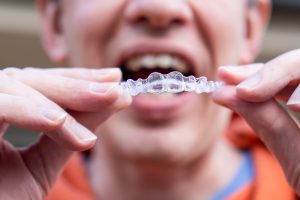
Teeth with large restorations or previous root canal treatment may have different structural considerations that affect fracture risk. If grinding or clenching is present, a dentist may assess whether an occlusal splint is appropriate. For contact sports, a custom mouth guard may also be discussed.
A dentist can discuss whether a custom mouthguard or occlusal splint is appropriate for your individual circumstances.
The takeaway
If you have persistent pain when biting, temperature sensitivity, swelling or another concern that may indicate a cracked tooth, contact Radiant Smiles Dental Bundoora to arrange an assessment. A dentist can examine the tooth and discuss management options based on the clinical findings.
Seek urgent medical assessment if dental or facial symptoms are causing difficulty breathing, significant difficulty swallowing, rapidly increasing facial or neck swelling, uncontrolled bleeding or another potentially life-threatening problem.