Porcelain and composite veneers are two types of dental restorations that may be considered for selected cosmetic concerns. They differ in material, preparation requirements, repair options and maintenance considerations.
This article explains the main differences between porcelain and composite veneers and the factors a dentist may consider when assessing treatment suitability.
What Are Porcelain Veneers?
Porcelain veneers are thin ceramic restorations bonded to the front surface of selected teeth. Treatment planning, tooth preparation and the number of appointments vary according to the individual case.
1. Appearance: Veneer planning may take into account the shade, shape and proportions of surrounding teeth. The final appearance varies according to the material, existing tooth structure and treatment plan.
2. Material properties: Porcelain has different physical properties from composite resin. Veneers can still chip, fracture, debond or change in appearance over time.
What Are Composite Veneers?
Composite veneers are made from tooth-coloured resin applied to the front surface of selected teeth. The amount of tooth preparation, treatment time and maintenance requirements vary according to the individual case.
1. Fees: Composite and porcelain veneer fees differ according to the material, treatment complexity, number of teeth involved and other practice-specific factors.
2. Tooth preparation: Some composite veneer treatments may involve less tooth preparation than some porcelain veneer treatments. Whether a procedure is reversible depends on whether natural tooth structure has been altered.
Composite resin and porcelain have different physical properties and maintenance requirements. Either type of veneer can chip, wear, fracture or require repair or replacement over time.
What Factors Affect Veneer Suitability?
Veneers may be considered for selected concerns involving tooth colour, shape, minor spacing, surface defects or chipped teeth. Suitability depends on the condition of the teeth and gums, available enamel, bite and other clinical factors.
Factors that may be discussed include tooth colour, shape, minor spacing, chipped or worn tooth structure, existing restorations and whether another treatment may be more appropriate.
Different Techniques For Porcelain And Composite Veneers Placement
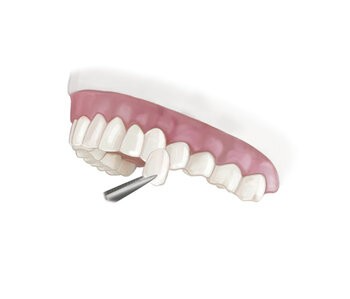
Porcelain and composite veneers can involve different preparation and placement techniques. Porcelain veneer treatment may involve enamel removal to create space for the restoration, while direct composite resin may be applied and shaped on the tooth. The amount of preparation varies according to the individual treatment plan. A dentist can assess the teeth, gums, bite and treatment goals before discussing which approach may be appropriate.
What Factors Should You Consider When Choosing Between Porcelain & Composite Veneers?
To assist you in making a decision, we will investigate the factors that ought to be taken into account when selecting between porcelain and composite veneers.
Durability and aesthetics
Porcelain and composite resin differ in their material properties, repair options and how their appearance may change over time. Longevity varies between patients and depends on factors such as remaining tooth structure, bite forces, grinding or clenching, trauma and ongoing care.
Cost
Veneer fees can vary according to the material used, number of teeth being treated, laboratory requirements and treatment complexity.
Tooth enamel
The amount of enamel preparation varies according to the veneer design, tooth position and material. Some porcelain veneer treatments involve enamel removal, while some composite treatments may require less preparation. These decisions should be based on the individual tooth and treatment plan.
Cost of temporary veneers
Temporary restorations may be used in some indirect veneer cases, particularly where tooth preparation has been performed. Whether they are required depends on the treatment plan.
Clinical Assessment and Treatment Planning
Veneer treatment requires assessment of the teeth, gums, bite, existing restorations and proposed treatment goals. The dentist should also discuss risks, limitations, alternatives and maintenance requirements before treatment proceeds.
Cost Comparison of Composite Veneers Vs Porcelain Veneers
Fees for composite and porcelain veneers vary between individual treatment plans. The number of teeth, material, laboratory requirements, preparation and treatment complexity can all influence the overall fee. A dental clinic can provide an individual treatment plan and fee estimate after assessing the proposed treatment.
The Cost Of Maintenance and Upkeep On Composite vs Porcelain
Maintenance requirements vary according to the veneer material, condition of the restoration, bite and individual clinical circumstances. Repairs or replacement may be required with either material over time.
The choice between porcelain and composite veneers should consider the condition of the teeth, preparation requirements, treatment goals, repair options and ongoing maintenance.
Factors a Dentist May Consider When Comparing Veneer Materials
Here is some advice from dental professionals on choosing the right type of veneer for your needs:
1. Fees: Ask for an individual treatment plan and fee estimate for the proposed restoration.
2. Grinding, clenching and trauma risk: These factors can affect veneer treatment planning and the risk of restoration damage. A dentist may discuss whether veneers are suitable and whether additional management is required.
3. Tooth preparation: Whether veneer treatment is reversible depends on whether natural tooth structure has been altered during preparation.
4. Material selection should be based on the condition of the tooth, remaining enamel, bite, treatment goals and repair considerations rather than assuming one material is universally preferable.
Conclusion
Porcelain and composite veneers have different material properties, preparation requirements and maintenance considerations. Neither option is suitable for every patient, so treatment should be based on individual dental assessment and informed discussion of risks, limitations and alternatives.
Factors such as tooth condition, available enamel, bite, treatment goals, maintenance requirements and fees can be considered when comparing the two materials.
If you are considering porcelain or composite veneers, contact Radiant Smiles Dental Bundoora to arrange an assessment and discuss whether veneer treatment may be suitable.