Dental veneers are thin restorations placed over the front surface of selected teeth. They may be made from porcelain or composite resin. This article explains what veneers are, how treatment is planned and what the veneer process may involve.
Definition of Dental Veneers
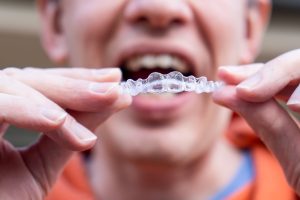
Dental veneers are thin restorations placed over the front surface of selected teeth and may be made from porcelain or composite resin. The materials differ in their physical properties, preparation requirements, repair options and maintenance considerations. The amount of tooth preparation varies according to the veneer type, tooth position and individual treatment plan.
Why Do People Choose Veneers?
Veneers may be considered for selected concerns involving tooth colour, shape, minor spacing or chipped tooth structure. Veneers alter the visible surfaces of teeth but do not move teeth in the same way as orthodontic treatment.
Consultation
Finding the Right Dentist
Before proceeding with veneers, ensure the dentist is appropriately registered and discuss the proposed treatment plan, preparation requirements, risks, limitations, alternatives and maintenance. The dentist should also answer any questions you have before treatment begins.
 Initial Consultation
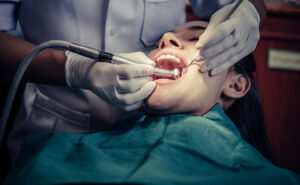
The initial consultation involves assessment of the teeth, gums, bite, existing restorations and other factors that may affect veneer suitability.
The dentist can discuss the potential risks, limitations, alternatives and expected treatment process. If veneers are considered suitable, an impression or digital scan may be taken to assist with treatment planning and fabrication.
Discussing Goals and Expectations
Before veneer treatment, discuss your treatment goals with the dentist. Tooth shape, shade, proportions, available enamel and bite can all influence treatment planning. Images may be used to help explain preferences, but the final clinical result will depend on individual circumstances.
Preparation
Necessary Dental Work
Before veneer treatment, the dentist assesses for conditions such as tooth decay, gum disease, infection and existing restorations. These findings may affect whether veneers are suitable or whether other dental treatment should be considered first.
Teeth Cleaning
The dentist will assess oral hygiene and the condition of the teeth and gums before veneer placement. Professional cleaning may be recommended where clinically appropriate.
Impressions and Moulds
An impression or digital scan may be taken to assist with fabrication of indirect veneers. Where a dental laboratory is involved, the restoration is produced according to the planned shape, dimensions and shade. Fabrication time varies.
Choosing the Right Veneer Shade
Shade selection may take into account surrounding teeth, existing restorations, veneer material and treatment goals. Photographs or digital planning tools may also be used to help discuss the proposed appearance, although the final result can differ from a digital preview.
Placement
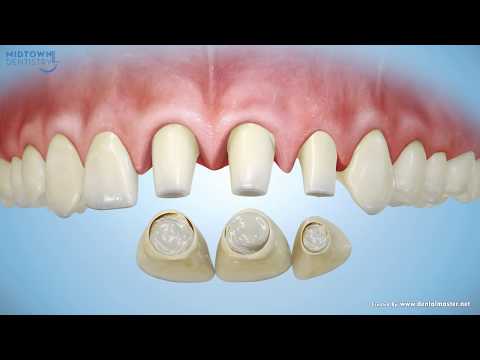
Temporary restorations may be used in some indirect veneer cases, particularly where tooth preparation has been performed. Whether they are required depends on the individual treatment plan. Veneer treatment may involve removal of enamel to create space for the restoration. The amount of preparation varies according to the veneer design and individual tooth. An impression or digital scan may then be used for fabrication where required.
Tooth Preparation
Before bonding, the dentist prepares the tooth surface according to the veneer material and adhesive system being used. The amount of tooth preparation depends on the restoration design, tooth position and existing tooth structure. Porcelain and composite veneers differ in their preparation requirements, physical properties, repair options and maintenance considerations.
 Bonding Process
 Bonding Process
Before bonding, the dentist assesses the veneer’s fit, shade, shape and relationship with the surrounding teeth and bite. Adjustments may be made where appropriate.
The veneers are bonded using the adhesive system appropriate for the restoration. Treatment time varies according to the number of teeth, veneer material and clinical requirements.
Final Adjustments
Sensitivity or discomfort can occur after veneer treatment and varies between patients. A follow-up appointment may be recommended to assess the veneers, bite and surrounding tissues and make adjustments where required.
Post-procedure Care
Ongoing oral care generally includes brushing twice daily with fluoride toothpaste and cleaning between the teeth. Avoid using veneered teeth to bite hard non-food objects. If grinding or clenching is present, a dentist may assess whether an occlusal splint is appropriate. Dental examinations allow the dentist to assess the veneers, underlying teeth and surrounding gums over time. Private health insurance benefits vary between policies, so check directly with your insurer if you want to know whether benefits apply.
Treatment Considerations and Limitations
Appearance and Treatment Planning
 Appearance and Treatment Planning
Veneers may alter the visible shade, shape or proportions of selected teeth. The final appearance varies according to the existing teeth, restoration design and individual treatment plan.
Potential Concerns
Veneer treatment may involve irreversible removal of natural tooth structure. Potential risks and limitations can include sensitivity, chipping, fracture, debonding, changes involving the underlying tooth or gums, and the possibility of future repair or replacement. Fees and private health insurance benefits vary. Veneers are not suitable for every tooth or patient. Tooth position, available enamel, bite, grinding or clenching, tooth condition and treatment goals may all affect suitability. Other approaches, including orthodontic or restorative treatment, may be more appropriate in some cases. Before proceeding, discuss the potential risks, limitations, alternatives, preparation requirements and maintenance needs so you can make an informed treatment decision.
Conclusion
Dental veneers are thin restorations made from materials such as porcelain or composite resin and bonded to the front surfaces of selected teeth. Tooth preparation varies according to the veneer type, tooth position and individual treatment plan and may involve irreversible removal of enamel.
If you are considering veneers, contact Radiant Smiles Dental Bundoora to arrange an assessment and discuss treatment suitability, preparation requirements, risks, limitations and alternatives.