Tooth decay and cracks can sometimes affect the same tooth. Depending on the location and extent of the damage, a dentist may need to assess both the remaining tooth structure and whether decay is present.
The relationship between tooth decay and tooth fractures depends on how much tooth structure has been affected. This article explains some factors a dentist may consider when assessing a tooth with both decay and a crack.
How Tooth Decay May Affect Tooth Structure
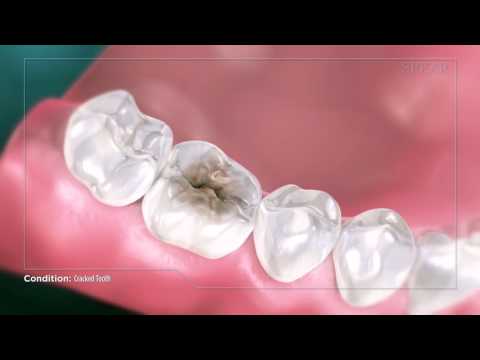
Tooth decay can progressively remove mineralised tooth structure. Where enough tooth structure has been affected, the remaining tooth may be more susceptible to fracture under biting forces.
Decay Weakens the Tooth Enamel
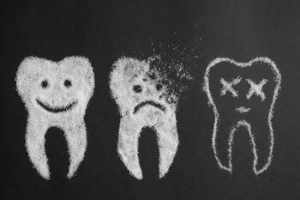
Tooth decay involves the progressive loss of mineralised tooth structure and may affect enamel and deeper dentine. If enough structure is lost, the remaining tooth may have less resistance to biting forces and may be more susceptible to fracture.
Bacteria and Infection
Decay can extend from enamel into dentine and, in some cases, reach the dental pulp. Whether this occurs depends on the depth and progression of the lesion.
Existing Restorations and Remaining Tooth Structure
Teeth with larger restorations may have less remaining natural tooth structure. The risk of fracture depends on factors such as restoration size, remaining tooth structure, bite forces and the condition of the tooth.
Dental Assessment and Ongoing Care
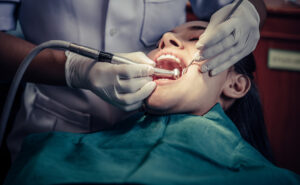
Dental examinations allow a dentist to assess the teeth for decay, existing restorations, cracks and other changes. The recommended interval between examinations depends on individual oral health needs.
Where a restoration is clinically indicated, the dentist can discuss the appropriate treatment based on the amount of decay and remaining tooth structure. Routine oral care can also help reduce the risk of tooth decay.
Factors That Can Contribute to Tooth Decay

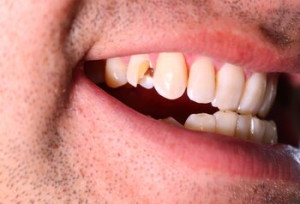
Dental decay can affect people of different ages and is influenced by factors including plaque, dietary sugars, saliva, fluoride exposure and individual susceptibility.
Understanding the causes of dental decay is essential in preventing and managing this condition. Here are some of the causes of cavities.
Poor oral hygiene
Dental plaque contains bacteria that metabolise dietary sugars and produce acids. Repeated acid exposure can contribute to mineral loss from tooth enamel and the development of decay.
Routine oral care generally includes brushing twice daily with fluoride toothpaste and cleaning between the teeth. Mouthwash is not a substitute for brushing or interdental cleaning.
Sugar and carbohydrates
Frequent exposure to fermentable sugars can contribute to tooth decay because plaque bacteria produce acids after consuming these carbohydrates. A dentist or other appropriate health professional can provide individual dietary advice where needed.
Acidic foods and drinks
Frequent exposure to acidic foods and drinks can contribute to dental erosion, which is different from tooth decay. Both conditions can affect tooth structure, but they develop through different processes.
Dry mouth
Saliva helps buffer acids and supports the oral environment. Reduced saliva flow, or dry mouth, can increase the risk of tooth decay. Possible causes include some medications and medical conditions, so persistent dry mouth should be discussed with an appropriate healthcare professional.
Genetics
Individual susceptibility to tooth decay varies and can be influenced by multiple biological, behavioural and environmental factors.
Dental Trauma as a Cause of Tooth Fracture
Dental trauma can cause chips, cracks or fractures depending on the direction and severity of the force. Sports injuries are one possible cause.
If a tooth becomes painful, loose, fractured or otherwise changes after dental trauma, arrange a dental assessment. More significant facial or dental injuries may require urgent assessment depending on the symptoms.
Can Tooth Decay Contribute to a Tooth Fracture?
Loss of tooth structure from decay may increase susceptibility to fracture in some teeth. However, cracks can also occur because of trauma, biting forces, grinding or clenching, existing restorations and other structural factors.
Symptoms That May Occur With a Cracked or Decayed Tooth
A cracked or decayed tooth may cause pain, sensitivity or discomfort, although some affected teeth produce few noticeable symptoms. The pattern of pain can also vary.
Possible symptoms include sensitivity to hot or cold, pain during biting, localised gum swelling or discomfort around the affected tooth. These symptoms can have several causes, so dental assessment is required to determine the diagnosis.
How a Cracked or Decayed Tooth May Be Managed
Here are some ways to treat a cracked tooth caused by dental decay or cavity.
Wear a Mouthguard
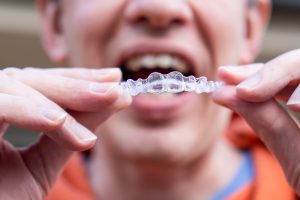
A custom mouth guard may be considered for some people participating in contact sports. Where grinding or clenching is present, a dentist may instead assess whether an occlusal splint or another management approach is appropriate.
Tooth Replacement After Extraction
A dental implant does not treat a cracked tooth itself. If a tooth cannot be predictably restored and extraction is required, dental implants may be one possible tooth-replacement option. Bridges, dentures or leaving the space unrestored may also be considered depending on the clinical circumstances.
Dental Filling
A dental filling may be considered where the decay or fracture is limited and enough tooth structure remains for a direct restoration.
More extensive decay or fractures may require a different restorative approach. If the dental pulp is irreversibly inflamed or infected, root canal treatment may be discussed. Where the tooth cannot be predictably restored, extraction may also be considered.
Conclusion
A tooth can sometimes have both decay and a structural crack. Management depends on the extent of each problem, pulp condition, remaining tooth structure and other clinical findings. A dental assessment can determine whether monitoring, restoration, root canal treatment, extraction or another approach may be appropriate.
If you have a cracked, chipped or painful tooth, contact Radiant Smiles Dental Bundoora to arrange an assessment. A dentist can examine the tooth and discuss treatment options based on the clinical findings.