If you are considering dental veneers, teeth grinding, also known as bruxism, is one factor that may affect treatment planning and the condition of restorations over time.
This article explains how bruxism may affect veneers, what signs may suggest grinding or clenching, and what a dentist may consider when planning treatment.
What is Teeth Grinding, and How Can it Affect Your Oral Health
Bruxism refers to grinding or clenching of the teeth. It may occur while awake or during sleep and can affect the teeth, jaw muscles and dental restorations in some patients.
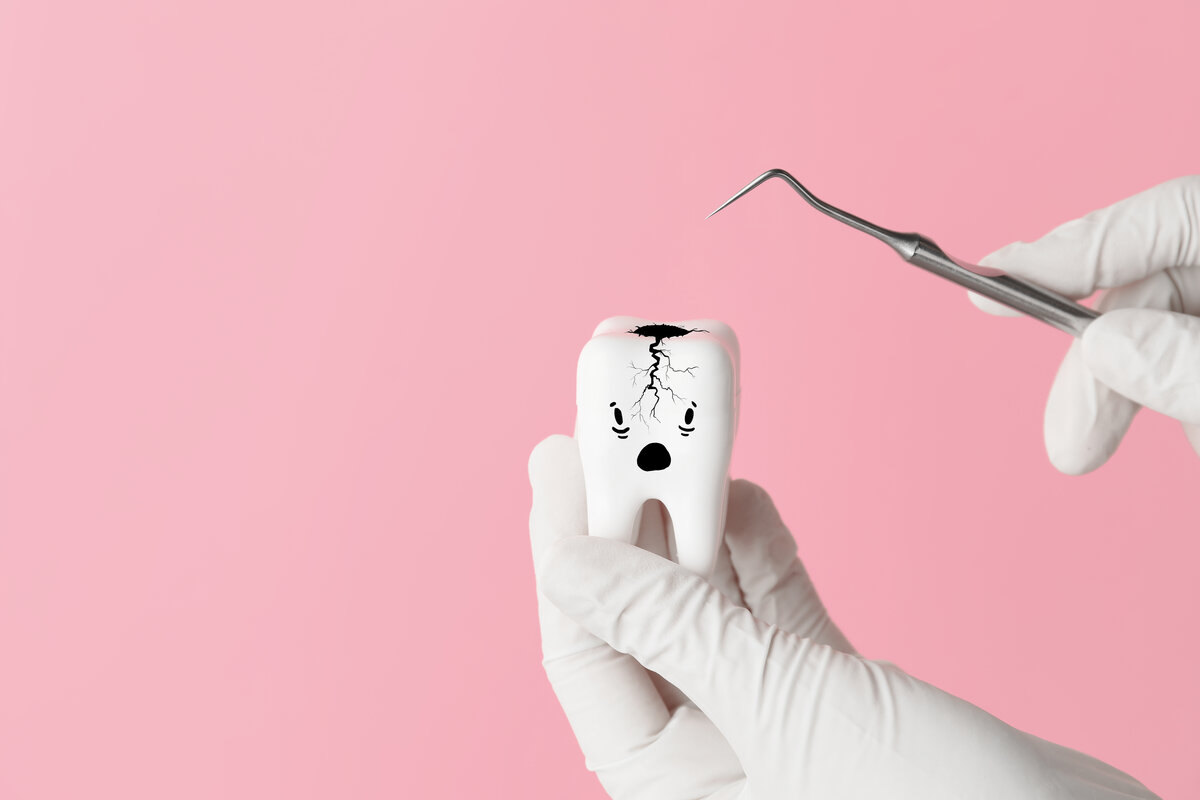
Signs associated with bruxism can include tooth wear, chipped or cracked teeth, jaw muscle discomfort and headaches. The pattern and severity vary between patients.
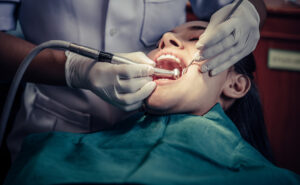
If bruxism is suspected or has been diagnosed, a dentist can assess tooth wear, jaw symptoms, existing restorations and other relevant factors. Management depends on the cause, severity and individual clinical findings.
Veneers and Bruxism: Factors to Consider
Dental veneers are thin restorations placed over the front surface of selected teeth. If a patient grinds or clenches their teeth, this needs to be considered during assessment and treatment planning.
Veneer suitability depends on the condition of the teeth, the amount of available enamel, the bite, any grinding or clenching habits and the individual treatment goals. Tooth preparation may be required, and the amount varies according to the type of veneer and clinical circumstances.
Veneers can chip, fracture, debond or require replacement over time. A dentist can assess whether veneers or another treatment option may be appropriate based on the individual clinical findings.
How Teeth Grinding May Affect Veneers
Grinding or clenching can place repeated forces on veneers and the underlying teeth. Depending on the individual case, this may contribute to wear, chipping, fracture or other changes over time.
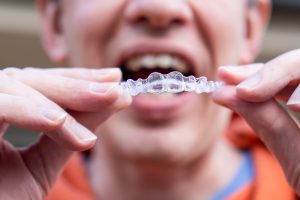
In some patients, a dentist may recommend a custom mouth guard or occlusal splint as part of bruxism management. Whether this is appropriate depends on the bite, symptoms, restorations and other clinical findings.
If a splint or mouth guard is being considered, it should be assessed and fitted according to the individual bite and treatment needs.
How to Identify the Signs of Teeth Grinding
Signs that may be associated with bruxism include tooth wear, chipped teeth, tooth sensitivity, jaw muscle discomfort and headaches. These symptoms can have other causes, so they do not confirm bruxism on their own.
If you notice persistent tooth wear, jaw discomfort, tooth damage or symptoms that may be related to grinding, a dental assessment can help determine the possible cause.
When Should Veneers Be Assessed if You Grind Your Teeth?
If a veneered tooth becomes painful, sensitive, chipped, loose or otherwise changes, arrange a dental assessment. The dentist can assess the veneer, underlying tooth structure, bite and surrounding tissues.
Depending on the findings, management may involve monitoring, repair, replacement or another treatment approach. A dentist may also discuss whether a splint or other bruxism-management strategy is appropriate.
Arrange an assessment if you notice persistent symptoms or changes affecting a veneer or the underlying tooth.
Managing Bruxism When You Have Veneers
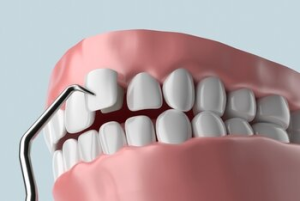
If you have veneers and grind or clench your teeth, your dentist may assess whether a splint or mouth guard is appropriate as part of your management plan.
Bruxism can have several contributing factors. If stress appears to be relevant, broader stress-management strategies may be discussed with an appropriate healthcare professional, but these approaches do not guarantee that grinding will stop.
Conclusion
Bruxism can place repeated forces on natural teeth and dental restorations, including veneers, crowns and implant-supported restorations. The effects vary between patients.
Recognising possible signs of bruxism can help prompt assessment where needed. Management varies according to the suspected cause, symptoms and clinical findings and may include dental or other healthcare approaches.
If you are considering veneers and have concerns about grinding or clenching, contact Radiant Smiles Dental Bundoora to arrange an assessment. A dentist can discuss whether veneers are suitable and how bruxism may affect treatment planning.
References:
https://www.nhs.uk/conditions/teeth-grinding/
https://www.betterhealth.vic.gov.au/health/conditionsandtreatments/teeth-grinding