Whether it’s a matter of discolouration, crooked teeth, or chipped enamel, the aesthetic problems can be varied and numerous.
Dental veneers are one cosmetic treatment that may be considered for selected concerns involving the visible surfaces of teeth. This article explains factors that can affect veneer fees and treatment planning. One of the most frequently asked questions about this cosmetic treatment is, “How much do veneers cost per tooth?” Let’s delve deeper into this topic, understand veneers, and explore factors contributing to their cost.
What are Dental Veneers?
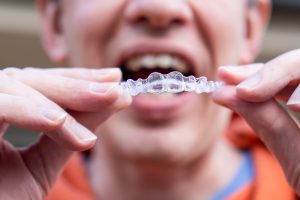
Dental veneers are thin restorations placed over the front surface of selected teeth. They may be considered for concerns involving tooth colour, shape, proportions or minor positional differences, depending on clinical suitability. Dental veneers can be made from two types of materials – porcelain or composite resin. Each comes with its unique set of characteristics and costs.
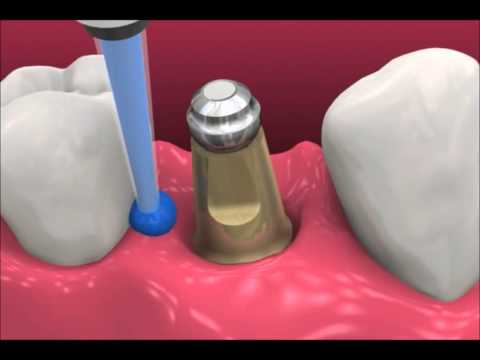
Porcelain Veneers
Porcelain is one material that may be used for dental veneers.
Composite Resin Veneers
Composite resin veneers may be applied directly to the tooth surface. The treatment process, number of appointments and longevity vary according to the individual case and type of restoration.
The Veneers Cost per Tooth: Breaking It Down
Veneer fees vary according to the individual treatment plan. Factors may include:
- Material: Porcelain and composite veneers have different laboratory, material and treatment requirements.
- Treatment complexity: Additional dental care may be required before veneers are considered, depending on the condition of the teeth and gums.
- Number of veneers: The total fee will vary according to the number of teeth being treated.
- Clinic and laboratory factors: Fees can vary between practices and according to the laboratory and materials involved.
The Veneers Placement Procedure: What to Expect
When considering veneers, it is also important to understand that the treatment process varies according to the veneer material, tooth condition and individual treatment plan. Here’s a step-by-step guide on what typically happens during the veneer placement procedure:
Consultation and Examination
Veneer treatment begins with dental assessment and treatment planning. During this initial visit, your dentist will examine your teeth, discuss your aesthetic goals, and evaluate whether veneers are the right treatment for you. The health of your existing teeth, your oral hygiene habits, and your overall oral health will play a role in this decision.
Tooth Preparation
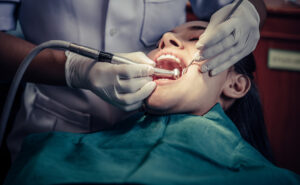
If veneers are considered suitable, tooth preparation may be required depending on the veneer type and individual treatment plan. This process may involve shaving a thin layer off the tooth surface where the veneer will be placed. The amount of enamel removed varies according to the restoration and clinical requirements.
Veneer Fabrication
After the tooth is prepared, an impression or digital scan of your teeth is taken. This data is sent to a dental lab where your custom-made veneers are fabricated. If porcelain veneers are being used, you may receive temporary veneers until the permanent ones are ready.
Veneer Placement
Once your veneers are ready, you’ll have another appointment for the placement. Before bonding, the dentist assesses the veneer’s fit, shade, shape and relationship with the surrounding teeth and bite. Any necessary adjustments are made at this stage. Then the process of bonding the veneers to the teeth takes place using a special adhesive.
Caring for Your Dental Veneers
Veneers require ongoing oral hygiene and dental monitoring. General care may include:
Maintain Good Oral Hygiene: Just like natural teeth, veneers should be brushed and flossed daily. Brush twice daily with fluoride toothpaste and clean between the teeth using an appropriate interdental cleaning method.
Avoid Hard Foods: Avoid using veneered teeth to bite hard non-food objects such as ice or pens, and follow any specific dietary advice provided by your dentist.
Avoid Stain-Causing Substances: Veneer materials, bonding materials and surrounding natural teeth may change in appearance differently over time. Regularly consuming teeth-staining foods and drinks (like coffee, tea, or red wine) may eventually lead to discolouration at the edges of your veneers.
Regular Dental Check-ups: Routine dental check-ups allow your dentist to monitor the condition of your veneers and intervene at the earliest if any issues are detected. Dental examinations allow the dentist to assess veneers, the underlying teeth and surrounding gums over time.
Longevity of Veneers: An Important Cost Consideration
An essential factor to consider when evaluating veneers’ cost per tooth is their lifespan. Veneer longevity varies between patients and according to the material used. Factors can include the condition of the underlying tooth, bite forces, grinding or clenching, oral hygiene, trauma and ongoing dental care.
Common Misconceptions About Dental Veneers
When it comes to cosmetic dentistry, particularly the veneers cost per tooth, misinformation can easily circulate. It’s essential to dispel such myths to give you a clearer understanding of what to expect. Here are a few common misconceptions about dental veneers:
Veneers Look Fake
One common misconception about veneers is that they look unnatural or fake. Veneers can be planned with consideration of tooth shade, shape, proportions and surrounding teeth. The final appearance varies according to the material, treatment plan and individual clinical circumstances.
Veneers Are Only for Cosmetic Purposes
Veneers are primarily used for cosmetic and selected restorative indications. Whether they are appropriate depends on the amount of remaining tooth structure, bite and other clinical factors.
What Sensations Can Occur During Veneer Treatment?
Sensations during veneer treatment vary between patients and according to the amount of tooth preparation required. Local anaesthesia may be used where clinically appropriate.
Private Health Insurance and Veneer Treatment
Private health insurance benefits vary between policies and levels of cover. Patients considering veneers should check directly with their insurer whether any benefits apply to their proposed treatment. The dental clinic can provide a treatment plan or fee estimate where required.
Most dental insurance plans focus on preventative and basic dental care. Cosmetic procedures, like veneers, are often not covered because they are considered elective rather than necessary. However, some insurance providers may offer partial coverage if veneers are part of a dental treatment plan addressing other non-cosmetic issues. Always check with your insurance provider to find out the specifics of your coverage.
Health Fund and Dental Veneers
Aside from insurance, a health fund may also come into play when considering veneers’ cost. Private health insurance policies in Australia may provide rebates for certain dental treatments. However, like insurance, these policies view veneers as cosmetic procedures and may not offer extensive coverage.
Every health fund has different policies, so it’s worthwhile to investigate your specific plan’s terms. Your dental clinic can also assist in providing a detailed treatment plan that you can submit to your health fund for a pre-treatment assessment. This can help you understand what costs you’ll have to shoulder out of pocket.
Choosing Between Single Veneer or Multiple Veneers
 Another consideration that impacts the cost of dental veneers is whether you’re getting a single veneer or multiple veneers. Some might assume that opting for a single veneer is more cost-effective, but this isn’t always true.
The number of veneers considered should be based on the teeth involved, treatment goals and clinical assessment. Some patients may require only one restoration, while others may discuss treatment involving several teeth.
If you are considering veneers, book a consultation to discuss treatment suitability, tooth preparation, limitations, risks, maintenance requirements and the fees associated with your individual treatment plan.