Orthodontic treatment has changed considerably over time. From early attempts to move teeth to modern braces and clear aligners, developments in materials and treatment planning have influenced how orthodontic care is provided today.
Early Beginnings: The Ancient Quest for Straight Teeth with Braces
Ancient Innovations in Orthodontics
Historical accounts describe early attempts to influence tooth position using different materials. These approaches were very different from modern orthodontic treatment and predated contemporary understanding of tooth movement, dental materials and treatment planning.
The 18th Century – A Shift Towards Modern Orthodontics
During the 18th century, dental practitioners began documenting more structured approaches to influencing tooth position. These developments contributed to the later evolution of orthodontic techniques.
The Birth of Traditional Braces: 19th Century Innovations
Edward Angle and the First Modern Braces
By the late 19th and early 20th centuries, orthodontic appliances increasingly incorporated components such as bands, wires and brackets. These developments contributed to more structured methods of applying forces to teeth.
Advancements in Materials and Techniques
During the 20th century, changes in dental materials and bonding techniques altered how braces were constructed and attached to teeth. Stainless steel, dental adhesives and other materials became part of modern orthodontic practice.
Changes in the Appearance and Design of Orthodontic Appliances
The Aesthetic Revolution
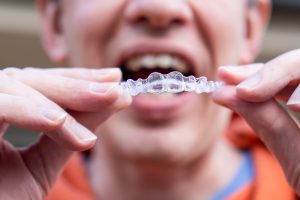
Ceramic braces use tooth-coloured or translucent brackets and may be less noticeable than conventional metal brackets. Clear aligners are another orthodontic option and use removable transparent trays to apply planned forces to teeth.
Lingual Braces and Customization
Lingual braces are positioned on the inner surfaces of the teeth rather than the outer surfaces. Their suitability depends on the individual orthodontic case and treatment requirements. Digital design and manufacturing technologies, including 3D printing, may be used in some orthodontic workflows for appliance planning and production.
The Future of Braces: Innovations on the Horizon
Technological Advancements in Orthodontics
Digital scanning, 3D printing and software-assisted treatment planning are increasingly used in some orthodontic workflows. Their role varies according to the appliance, clinician and individual treatment plan.
Smart Braces and Teledentistry
Some orthodontic systems incorporate digital monitoring or remote communication tools. These technologies may supplement in-person care in selected cases but do not remove the need for clinical examination where required.
How Orthodontic Treatment Has Changed Over Time
Embracing the Journey to Straighter Smiles
Orthodontic appliances and treatment methods have changed considerably over time. Modern orthodontic care may involve fixed braces, clear aligners, digital scanning and other technologies depending on the patient’s clinical needs and treatment plan.