Tooth pain can occur even when there are no obvious signs of decay or a visible cavity. Possible causes include cracks, gum problems, teeth grinding, sensitivity, infection or referred pain from nearby structures.
If tooth pain is persistent, sharp or recurring, a dental assessment can help determine the cause. This article outlines several possible reasons for toothache without a visible cavity and when further assessment may be appropriate.
Common Causes of Tooth Pain Without a Cavity
If there’s no visible decay, your toothache might be caused by other dental issues, such as:
1. Hairline Fracture or Cracked Tooth
A crack can affect the enamel, dentine or deeper parts of a tooth and may not always be visible during routine inspection. Possible symptoms include:
- Sharp pain when biting or chewing, especially on hard foods
- Sensitivity to hot, cold, or sweet foods and drinks
- Pain that comes and goes, rather than being constant
- Discomfort when releasing a bite
Cracks can sometimes be difficult to identify. Assessment may involve clinical examination, bite testing, magnification, transillumination or dental imaging depending on the suspected location and extent.
2. Gum Disease (Gingivitis or Periodontitis)
Gum inflammation and periodontal disease can be associated with plaque accumulation around the teeth and gums. Possible signs include:
- Dull, aching pain in the teeth and gums
- Swollen, red, or bleeding gums
- Persistent bad breath
- Receding gums exposing tooth roots
Periodontitis can affect the tissues and bone supporting the teeth and, in more advanced cases, may be associated with tooth mobility.
3. Teeth Grinding (Bruxism)
Teeth grinding or clenching can place additional forces on the teeth and jaw. Possible signs or symptoms include:
- Generalised tooth pain or soreness
- Jaw pain, headaches, or tight facial muscles
- Worn-down enamel, making teeth more sensitive
- Small cracks or fractures in teeth
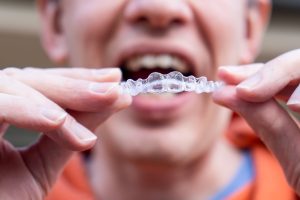
If grinding or clenching is suspected, a dentist can assess whether a custom night guard may be appropriate.
4. Sinus Infections (Sinusitis)
Sinus inflammation can sometimes cause referred discomfort that is felt in the upper back teeth. Features that may occur alongside sinus-related facial or dental discomfort include:
- Pressure or pain in the forehead, around the eyes, or cheeks
- Stuffy or runny nose
- Increased pain when bending forward
If tooth discomfort occurs alongside sinus or respiratory symptoms, medical or dental assessment may be needed to determine the cause.
5. Receding Gums and Tooth Sensitivity
Gum recession can expose root surfaces or dentine and may be associated with:
- Sharp pain when consuming hot, cold, or sugary foods
- Discomfort near the gum line
- Increased sensitivity when brushing
A dentist can assess the cause of sensitivity and advise whether desensitising toothpaste or another approach may be appropriate.
6. Dental Abscess or Infection
A dental infection or abscess may be associated with symptoms such as:
- Swelling in the face or gums
- Persistent, intense pain
- Pus or drainage near the affected tooth
- Fever or general unwellness
A suspected dental abscess should be assessed promptly. Treatment depends on the source and extent of the infection and may include drainage, root canal treatment, extraction or another approach where clinically appropriate.
7. Nerve Pain or Temporomandibular Joint (TMJ) Disorder
Pain felt in a tooth can sometimes be referred from the jaw joint, muscles, nerves or nearby structures. Possible features of temporomandibular disorders may include:
- Pain near the jaw joint
- Clicking or popping sounds when opening or closing the mouth
- Headaches or earaches
A dentist can assess the teeth, jaw and surrounding structures and may recommend further assessment where required.
Is Toothache But no Cavity a Dental Emergency?
Some causes of tooth pain may require urgent assessment. Arrange prompt dental care if you experience:
- Severe, persistent pain that doesn’t improve
- Swelling in the face, gums, or jaw
- Signs of infection, such as pus, fever, or difficulty swallowing
- A cracked or fractured tooth that worsens over time
- Difficulty breathing, significant difficulty swallowing or rapidly increasing facial or neck swelling requires urgent medical assessment.
When to See a Dentist for Tooth Pain
If tooth pain is persistent, recurring or associated with biting, arrange an assessment with a dentist Bundoora. If a crack is suspected, the dentist can assess its location and extent before discussing treatment options.
How a Dentist May Assess and Manage Tooth Pain
Treatment depends on the diagnosis, condition of the tooth and surrounding tissues, and other clinical findings. Depending on the cause, options may include:
- Monitoring, bonding, a crown or another restorative approach for selected cracks
- Periodontal treatment where gum disease is diagnosed
- A night guard where grinding or clenching is contributing to symptoms
- Root canal treatment where the dental pulp is irreversibly inflamed or infected and the tooth is suitable
- Medical assessment where sinus disease or another non-dental cause is suspected
- Desensitising products or other treatment where tooth sensitivity is diagnosed
Factors That May Reduce Stress on Teeth
General measures that may be relevant include:
- Avoid using teeth to bite hard non-food objects such as pens or ice
- If you grind or clench, discuss whether a night guard may be appropriate
- Consider a sports mouthguard for activities where dental trauma is a concern
- Maintain routine oral hygiene
- Attend dental examinations at intervals recommended for your individual oral health needs
Frequently Asked Questions About Toothache
Can a hairline fracture in a tooth heal on its own?
Tooth enamel and dentine do not heal in the same way as bone. A suspected crack should be assessed because management depends on its location, depth, symptoms and effect on the tooth.
How do I know if my tooth pain is serious?
Severe or persistent pain, swelling, fever or pus warrants prompt dental assessment. Difficulty breathing, significant difficulty swallowing or rapidly increasing facial or neck swelling requires urgent medical assessment.
Can stress cause tooth pain without a cavity?
Stress may be associated with clenching or grinding in some people, and these habits can contribute to tooth sensitivity, jaw discomfort or tooth wear.
Should I see a dentist if my tooth pain comes and goes?
Intermittent tooth pain can have several causes, including cracks, sensitivity, bite-related problems or inflammation. If it keeps returning, a dental assessment can help determine the cause.
When to Arrange a Dental Assessment for Tooth Pain
Tooth pain without a visible cavity can have several possible causes, including cracked teeth, gum problems, grinding or clenching, sensitivity, infection and referred pain. A dental assessment can help determine whether the source is dental or whether further medical assessment is appropriate.
At Radiant Smiles Dental Bundoora, the dental team can assess unexplained tooth pain and discuss appropriate next steps based on the clinical findings.