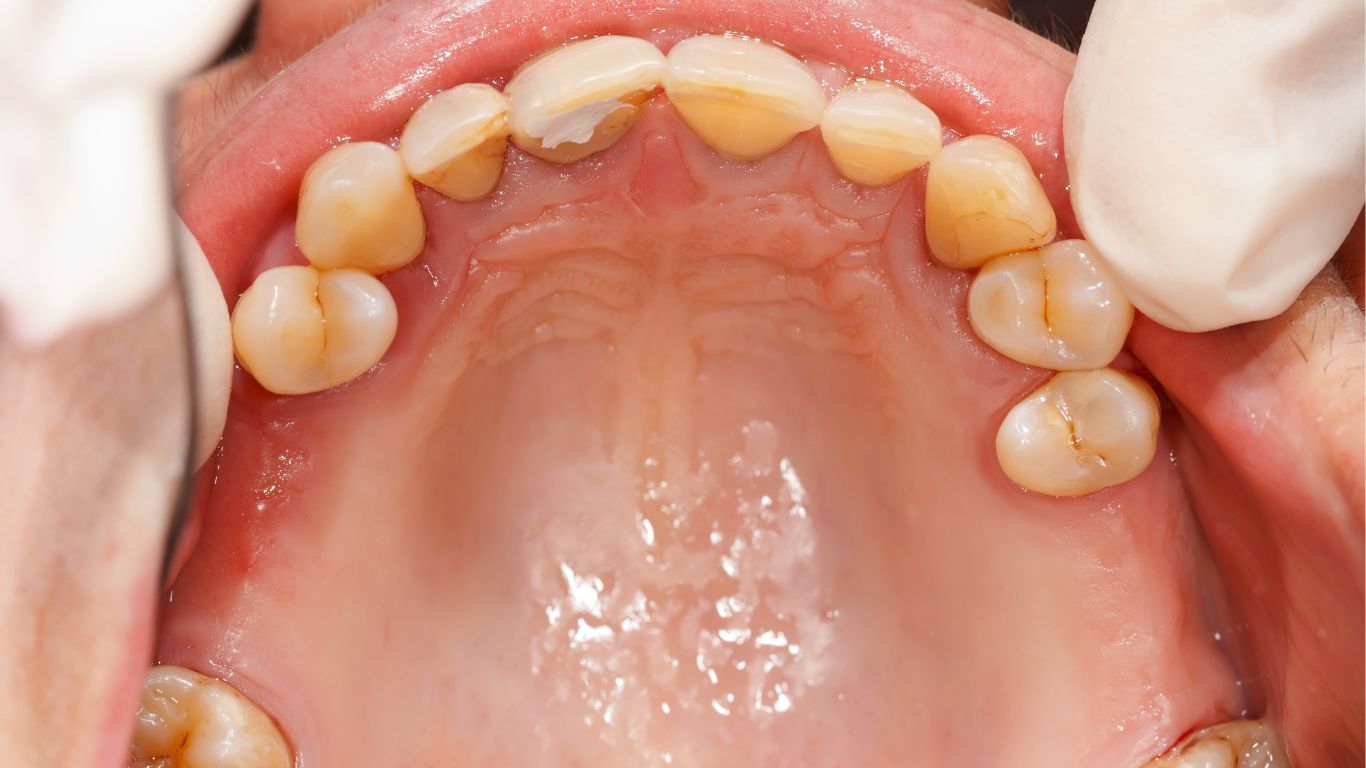
Losing a tooth can affect oral function and appearance. Whether the tooth was lost due to injury, decay or another cause, replacement options may be considered depending on the condition of the surrounding teeth, gums and jawbone. At Radiant Smiles Dental Bundoora, a dentist can assess these factors and discuss suitable tooth replacement options.
Dental bridges and dental implants are two options that may be considered when replacing missing teeth. They differ in their treatment process, maintenance requirements, effect on surrounding structures and other clinical considerations. This guide explains those differences to help you discuss the options with your dentist.
Understanding Dental Bridges
A dental implant is a device placed surgically into the jawbone to support a dental restoration. After a healing period, a crown or another prosthetic restoration may be attached where clinically appropriate.
When to Consider a Dental Bridge
A dental bridge may be considered in situations such as:
- You have healthy adjacent teeth: Bridges rely on the strength of nearby teeth to hold the restoration in place. These teeth must be reshaped to accommodate the supporting crowns.
- You are missing multiple teeth in a row: Depending on the location of the missing teeth and the condition of the supporting teeth, a bridge may be one option considered for replacing several adjacent teeth.
- You prefer a treatment that does not involve implant surgery: The treatment process for a bridge differs from implant treatment and may involve fewer stages in some cases.
- You prefer to avoid implant surgery: Traditional tooth-supported bridges do not require implant placement, although preparation of the supporting teeth is usually required.
Understanding Dental Implants
Dental implants in Bundoora is a surgical procedure that replaces missing tooth roots with metal, screw-like posts, restoring both the function and appearance of teeth. After a period of healing, during which the implant integrates with the bone, a custom crown is placed on top to complete the restoration.
When to Consider a Dental Implant
A dental implant may be considered if:
- You are considering a longer-term tooth replacement option: The longevity of an implant varies according to factors such as bone and gum health, implant position, bite forces, oral hygiene, smoking status and ongoing maintenance.
- Bone and jaw considerations are relevant: Dental implants transfer forces to the surrounding bone, and the amount and condition of available bone are important factors when assessing implant suitability.
- You want to avoid preparing neighbouring teeth: A single implant-supported crown does not usually require preparation of adjacent teeth in the way a conventional tooth-supported bridge does.
- You are considering an implant-supported restoration: The dentist can discuss how an implant-supported crown differs from a bridge in terms of support, maintenance, appearance and treatment requirements.
Key Differences Between Dental Bridges and Implants
| Factor | Dental Bridge | Dental Implant |
|---|---|---|
| Treatment process | Usually involves preparation of supporting teeth | Requires surgical implant placement and a healing period |
| Longevity | Varies according to restoration type, supporting teeth, bite and maintenance | Varies according to implant health, bone and gum condition, bite and maintenance |
| Adjacent teeth | Conventional bridges generally require preparation of supporting teeth | A single implant-supported crown generally does not require preparation of adjacent teeth |
| Bone considerations | Does not involve placement of an implant into the jawbone | Requires adequate bone or additional assessment of bone volume |
| Maintenance | Requires cleaning around and beneath the bridge | Requires ongoing cleaning and professional monitoring around the implant |
Which Option Is Right for You?
Suitability for a dental bridge or dental implant depends on factors such as the number and location of missing teeth, condition of adjacent teeth, gum and bone health, bite, medical history and individual treatment goals.
- A dental bridge may be considered where the supporting teeth are suitable and a tooth-supported restoration is clinically appropriate.
- A dental implant may be considered where there is adequate bone and gum support and implant treatment is appropriate for the patient’s dental and medical circumstances.
Each option has different indications, limitations, risks and maintenance requirements. Your dentist can assess these factors and discuss which treatments may be suitable for your circumstances.
Discussing Tooth Replacement Options With Your Dentist
Replacing a missing tooth involves several clinical and personal considerations. Dental bridges and dental implants differ in their treatment process, maintenance requirements, risks and suitability, so assessment is important before a treatment decision is made.
At Radiant Smiles Dental Bundoora, the dental team can assess missing teeth, supporting teeth, gums and jawbone and discuss whether a bridge, implant or another tooth replacement option may be appropriate. You can schedule a consultation to discuss your treatment options.