A broken tooth may occur because of trauma, decay, grinding or clenching, existing restorations or other structural factors. The urgency of assessment depends on the type of break and the symptoms present.
A broken tooth may require urgent dental assessment if it is associated with severe or worsening pain, significant swelling, uncontrolled bleeding or dental trauma.
Understanding factors associated with tooth fracture may help patients recognise situations where dental assessment is appropriate.
Common Broken Teeth Causes: Tooth Decay
Tooth decay involves progressive loss of mineralised tooth structure. Where enough structure is affected, the remaining tooth may become more susceptible to fracture.
Tooth decay may progress from enamel into dentine and, in some cases, affect the dental pulp. Symptoms can include sensitivity or pain, although some lesions cause few noticeable symptoms.
If decay is associated with persistent pain, swelling or a visibly damaged tooth, arrange a dental assessment. The urgency depends on the symptoms and extent of the damage.
Common Broken Teeth Causes: Multiple Fillings or Restorations
Teeth with larger or multiple restorations may have less remaining natural tooth structure, which can influence fracture risk.

The amount and condition of remaining tooth structure can affect susceptibility to fracture. If a fracture is associated with severe pain, significant bleeding, swelling or pulp involvement, more urgent assessment may be appropriate.
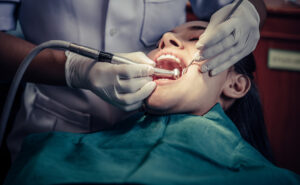
A dentist may use clinical examination and dental imaging where appropriate to assess the extent of the damage and discuss management options.
Dental examinations allow a dentist to assess existing restorations, remaining tooth structure and surrounding tissues over time.
Common Broken Teeth Causes: Trauma
Dental trauma from sporting injuries, falls, vehicle accidents or other blows to the mouth can cause chips, cracks, fractures or other injuries to teeth.
A custom mouthguard may be considered for some contact sports to reduce the risk or severity of dental trauma. General road safety measures should also be followed.
A broken tooth following significant dental trauma should be assessed promptly, particularly if there is pain, bleeding, tooth mobility or loss of tooth structure.
Common Broken Teeth Causes: Bruxism
Bruxism refers to grinding or clenching of the teeth and may occur while awake or during sleep. It can affect children and adults.
Bruxism may be associated with tooth wear, chipped or fractured teeth, tooth sensitivity and jaw muscle discomfort in some patients. The effects vary according to the pattern and severity of grinding or clenching and other individual factors.
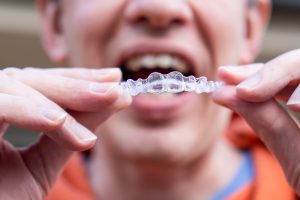
Management of bruxism depends on the suspected cause, symptoms and clinical findings. A dentist may assess whether an occlusal splint or another dental or healthcare approach is appropriate.
Common Broken Teeth Causes: Changes to Teeth Over Time
Over time, teeth may accumulate wear, restorations and changes to tooth structure. These factors can influence susceptibility to fracture.
Tooth decay is influenced by multiple factors and is not an inevitable consequence of ageing. Dental examinations can help assess decay, existing restorations and changes to tooth structure over time.
Is a Broken Tooth a Dental Emergency?
Whether a broken tooth is a dental emergency depends on the type of fracture and symptoms present. Severe or worsening pain, significant swelling, uncontrolled bleeding, tooth displacement or significant dental trauma may require urgent assessment.
-
Vertical root fracture: A vertical root fracture involves the root of a tooth and can sometimes be difficult to diagnose. Management depends on the tooth involved, fracture location and surrounding tissues.
-
Split tooth: A split tooth involves separation of portions of the tooth. Whether any part of the tooth can be retained depends on the location and extent of the split and the amount of remaining tooth structure.
-
Fractured cusp: A fractured cusp involves loss or cracking of part of the chewing surface of a tooth. Management depends on the extent of the fracture, symptoms, pulp condition and remaining tooth structure.
Not every broken tooth requires immediate treatment. Dental assessment is appropriate where there is pain, sensitivity, loss of tooth structure or uncertainty about the extent of the damage. More urgent care may be required for severe or worsening pain, significant swelling, uncontrolled bleeding or substantial dental trauma.
Arrange an Assessment for a Broken Tooth
If you have a broken tooth with pain, swelling, bleeding or another urgent dental concern, contact Radiant Smiles Dental Bundoora to arrange an assessment.
Seek urgent medical assessment if dental or facial symptoms are causing difficulty breathing, significant difficulty swallowing, rapidly increasing facial or neck swelling, uncontrolled bleeding or another potentially life-threatening problem.