A chipped tooth can range from a small enamel defect to a larger fracture involving deeper tooth structure. Some chipped teeth cause no symptoms, while others may cause sensitivity, discomfort or sharp edges. A dentist can assess the extent of the damage and determine whether monitoring or treatment is appropriate.
Management depends on factors such as the size and location of the chip, symptoms, remaining tooth structure and condition of the affected tooth. Treatment options may include bonding, a filling, crown, veneer or another approach where clinically appropriate.
A chipped tooth may be immediately visible after dental trauma, while smaller chips can be less noticeable. Possible signs include:
- A rough or sharp tooth edge
- Sensitivity to hot or cold
- Discomfort during biting or chewing
- Irritation to the tongue or cheek from a sharp edge
These symptoms can have other causes, so they do not confirm a chipped tooth on their own.
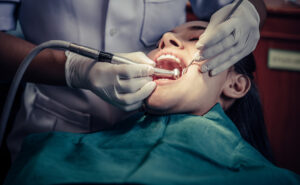
A dentist can assess a chipped or broken tooth and discuss treatment options according to the extent of the damage, pulp condition and remaining tooth structure.
How a Chipped Tooth May Be Managed
Whether a chipped tooth requires treatment depends on the extent and location of the damage. A dentist can assess whether enamel, dentine or the dental pulp has been affected and whether treatment is required.
If decay, infection or another dental condition is present, this should be assessed as part of the overall treatment plan before elective cosmetic treatment is considered.

Dental veneers
Dental veneers may be considered for selected front-tooth concerns where the remaining tooth structure, bite and location of the chip make veneer treatment appropriate.
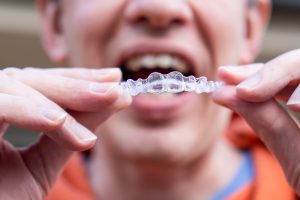
Veneers are bonded to the front surface of selected teeth and may alter visible tooth shape, shade or proportions depending on the treatment plan.
Porcelain veneers
Porcelain veneers are one restorative material that may be considered for selected chipped teeth. Treatment planning may take into account shade, shape, surrounding teeth, remaining enamel and the bite.
Veneer longevity varies between patients. Factors can include the remaining tooth structure, bite forces, grinding or clenching, trauma, bonding, oral hygiene and ongoing dental care.
The veneer procedure
Before veneer treatment, the dentist assesses the teeth, gums, bite and existing restorations. Dental X-rays may be taken where clinically indicated. Conditions such as decay, infection or gum disease may affect whether veneer treatment is appropriate.
An impression or digital scan may be taken where an indirect veneer is being fabricated. Laboratory fabrication time varies according to the restoration and treatment workflow.
Veneer treatment may require removal of enamel to create space for the restoration. The amount of preparation varies according to the veneer design, tooth position and existing tooth structure.
Before bonding, the dentist assesses the veneer’s fit, shade, shape and relationship with the bite. The restoration is then bonded using an adhesive system appropriate for the veneer material.
Ongoing care generally includes brushing twice daily with fluoride toothpaste, cleaning between the teeth and attending dental examinations at intervals recommended for individual needs.
Veneers are not appropriate for every chipped tooth. Other treatment options may be considered according to the amount of damage, remaining tooth structure and clinical findings.
Dental bonding
Dental bonding may be considered for selected minor chips where enough tooth structure remains for a direct composite restoration.
Root canal treatment
If the dental pulp is irreversibly inflamed or infected and the tooth is otherwise suitable for treatment, root canal treatment may be considered. Further restorative treatment depends on the condition and amount of remaining tooth structure.
Dental crown
A dental crown may be considered where the amount of remaining tooth structure and fracture pattern are suitable for a full-coverage restoration.
Temporary Measures Before Dental Assessment
If a chipped tooth is causing discomfort or has a sharp edge, some temporary measures may be considered while dental assessment is arranged.
Rinse with salt water
A gentle warm salt-water rinse may be used by some adults to help keep the mouth clean. Do not swallow the rinse.
Apply pressure to stop the bleeding
If there is minor bleeding, clean gauze may be used to apply gentle pressure. After dental trauma, a cold compress wrapped in cloth may be applied externally for short periods.

Over-the-counter pain relievers
Over-the-counter pain relief may be appropriate for some people. Follow the product instructions and ask a pharmacist, doctor or dentist if you are unsure whether a medicine is suitable for you.
Dental wax
Dental wax may be used temporarily over a sharp tooth edge that is irritating the tongue or cheek, where it can be applied without forcing material into the damaged tooth. Larger fractures should be assessed by a dentist.
Additionally, when using dental wax, remember to avoid chewing on the side with the damaged tooth and consider flossing around it to minimise discomfort and relieve pressure.
Temporary tooth repair kits
Some pharmacy products are intended for temporary use after certain types of dental damage. Follow the product instructions carefully and understand that temporary material does not replace dental assessment or a permanent restoration where one is required.
Arrange an Assessment for a Chipped Tooth
If you have a chipped or broken tooth, contact Radiant Smiles Dental Bundoora to arrange an assessment. A dentist can examine the tooth and discuss whether monitoring, bonding, a filling, crown or another treatment may be appropriate.