Teeth whitening uses bleaching agents to change the visible shade of natural teeth. Treatment may be provided in-chair or through a take-home system where clinically appropriate. Suitability depends on factors such as the cause of discolouration, condition of the teeth and gums, existing restorations and tooth sensitivity.
If you are considering teeth whitening, it can help to understand how bleaching agents interact with tooth discolouration. Radiant Smiles Dental Bundoora offers Philips Zoom in-chair and take-home whitening for patients who are assessed as suitable.
How Does Teeth Whitening Work?
Many whitening products use hydrogen peroxide or carbamide peroxide as bleaching agents. These substances react with coloured compounds within the tooth and can change the visible tooth shade.
Hydrogen peroxide and carbamide peroxide have different chemical properties and may be used at different concentrations and application times. The whitening product and exposure time should follow the instructions provided for the specific treatment system.
The choice of whitening agent and wearing time depends on the product formulation and individual treatment plan.
Whitening agents diffuse through tooth structure and react with coloured compounds associated with some forms of tooth discolouration. The degree of visible colour change varies between patients.
Some in-chair whitening systems use an activating light as part of the treatment protocol. Treatment time and the degree of shade change vary according to the starting tooth colour, type of discolouration and individual response.
Options for Teeth Whitening Treatments
Radiant Smiles Dental Bundoora offers in-chair and take-home whitening options. A dentist can assess which approach, if any, may be appropriate for your teeth and gums.
In-chair whitening involves applying a whitening agent under professional supervision. The degree of colour change and treatment time vary between patients and depend on the type of discolouration and starting tooth shade.
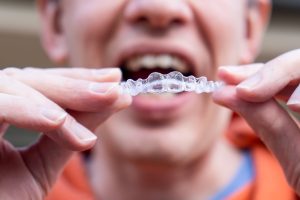
Take-home whitening may be considered for some patients after a dental assessment. Custom trays are used with a whitening product and wearing schedule specified for the individual treatment plan.

Whitening products are available in different formulations and concentrations. The recommended wearing time depends on the product and treatment instructions rather than patient preference alone.
Different whitening formulations may have different recommended application times. Follow the instructions provided for the particular whitening system being used.
Where custom take-home whitening is planned, impressions or digital scans may be used to make trays that fit over the teeth. The dentist provides instructions about the amount of whitening gel, placement and wearing time. Whitening gel can irritate the gums or other oral tissues if it contacts them, so the instructions should be followed carefully. The timing and degree of colour change with take-home whitening vary between patients.
What to Expect from In-Chair Whitening Treatments?
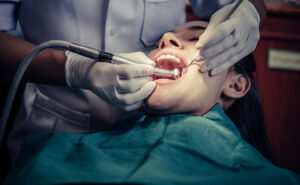
Before in-chair whitening, the dentist assesses the teeth and gums and prepares the mouth according to the whitening system being used. Cleaning or polishing may be performed where clinically appropriate.
Cheek retractors and protective materials may be used to limit contact between the whitening agent and the lips, cheeks and gums. Soft tissue irritation can still occur as a possible side effect.
The whitening gel is applied according to the product protocol. Where the system uses an activating light, application time depends on the specific whitening product and treatment plan.
The dentist monitors the whitening procedure and determines whether further applications are appropriate according to the product protocol and individual response.
Managing Tooth Colour After Whitening
Tooth colour can change again after whitening. Further whitening should only be used according to the treatment instructions and after considering any sensitivity, restorations or changes in oral health.
- Foods, drinks and tobacco can contribute to external tooth staining over time. There is generally no need to permanently avoid particular foods solely because you have had whitening treatment.
- Frequent exposure to fermentable carbohydrates can contribute to dental decay, while acidic foods and drinks can contribute to dental erosion. These are separate issues from the intrinsic colour changes targeted by whitening.
- Tobacco use can contribute to external tooth staining and has broader oral and general health effects.
- Brush twice daily with fluoride toothpaste and clean between the teeth using a method appropriate for your individual needs. Mouthwash is not routinely required for every patient unless recommended.
- A dental check-up allows the dentist to assess the teeth, gums, existing restorations and any sensitivity or colour changes according to individual needs.
What Are the Possible Side Effects and Limitations of Teeth Whitening?
Teeth whitening can cause temporary tooth sensitivity and irritation of the gums or other soft tissues. The likelihood and severity vary according to the whitening product, concentration, application and individual dental condition.
Whitening agents generally do not change the intrinsic colour of dental crowns, veneers or existing fillings. Some types of tooth discolouration may also respond differently to bleaching, so a dental assessment can help determine whether whitening is appropriate.
Discuss Teeth Whitening in Bundoora
Not all tooth discolouration responds to whitening. A dentist at Radiant Smiles Dental Bundoora can assess the likely cause of colour changes and discuss whether in-chair whitening, take-home whitening or another approach may be appropriate.
Contact Radiant Smiles Dental Bundoora if you would like to arrange an assessment before starting teeth whitening treatment.