A tooth can break because of dental trauma, decay, grinding or clenching, biting hard objects, or reduced remaining tooth structure around an existing restoration. The type and extent of the fracture, symptoms and condition of the tooth influence how it may be managed.
Some broken teeth may require temporary management before definitive treatment is considered. The treatment plan depends on the fracture pattern, dental pulp, remaining tooth structure and other clinical findings.
Is a Broken Tooth a Dental Emergency?
Not every broken tooth is a dental emergency. More urgent assessment may be appropriate if the fracture is associated with severe or worsening pain, significant swelling, uncontrolled bleeding, tooth displacement or substantial dental trauma.
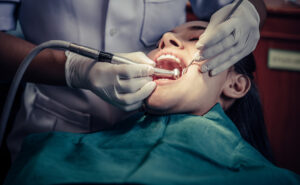
A dentist can assess a chipped, cracked or broken tooth to determine the extent of the damage and whether monitoring or treatment is required. A sharp edge may irritate the tongue or cheek, while deeper fractures can sometimes involve dentine or the dental pulp.
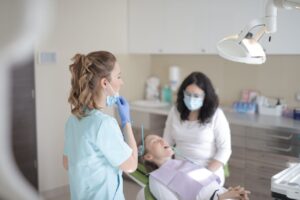
If a broken tooth is associated with concerning symptoms, an emergency dental assessment may be appropriate. Depending on the clinical findings, treatment may be provided at the initial appointment or further treatment may be planned.
How May a Broken Tooth Be Treated?
Treatment depends on factors such as the type and extent of the fracture, which tooth is affected, symptoms, pulp condition and amount of remaining tooth structure.
Depending on the clinical findings, treatment options may include:
-
Fillings and Bonding
A dental filling or dental bonding may be considered for selected minor chips or fractures where enough tooth structure remains for a direct restoration.
Where direct composite treatment is appropriate, tooth-coloured resin is applied, shaped and hardened according to the material and treatment plan.
-
Root Canal Treatment

Root canal treatment may be considered when the dental pulp is irreversibly inflamed or infected and the broken tooth is otherwise suitable for treatment. Pulp problems can occur because of deep decay, cracks, trauma or other conditions affecting the tooth.
Root canal treatment involves accessing the pulp chamber, removing affected pulp tissue and cleaning, shaping and sealing the root canal system. Local anaesthetic is generally used where appropriate.
Further restorative treatment depends on the amount and condition of the remaining tooth structure. A filling or crown may be considered where clinically appropriate.
-
Dental Crowns
A dental crown is a restoration that covers the prepared portion of a tooth. A crown may be considered where the fracture pattern and remaining tooth structure are suitable for a full-coverage restoration, including some teeth that have undergone root canal treatment.
Dental crowns can be made from different materials. Material selection depends on factors such as the tooth’s location, bite, remaining tooth structure and treatment requirements. The fabrication method, need for a temporary restoration and number of appointments vary according to the treatment plan.
-
Dental Implants and Bridges
If a broken tooth cannot be predictably restored and tooth extraction is required, tooth-replacement options may be discussed. These can include a dental implant, bridge or denture, while leaving the space unrestored may also be appropriate in some circumstances.
A dental implant is surgically placed in the jawbone to support a dental restoration. A dental bridge uses supporting teeth or implants to support one or more replacement teeth, depending on the bridge design.
Dental implants and bridges have different treatment requirements, risks, maintenance considerations and suitability factors. A dentist can discuss these alongside other tooth-replacement options.
Reducing Some Factors Associated With Tooth Fracture
Not every broken tooth requires emergency treatment. A dentist can examine the tooth, assess the extent of the fracture and explain the available management options, including the risks and limitations of each approach.
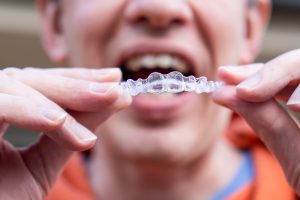
The urgency of assessment depends on the fracture and symptoms. A custom mouthguard may be considered for some contact sports, while regular oral hygiene and dental check-ups allow the teeth and existing restorations to be monitored over time.
Radiant Smiles Dental Bundoora can assess chipped, cracked or broken teeth and discuss treatment options according to the clinical findings.
If you have a broken tooth with severe or worsening pain, significant swelling, uncontrolled bleeding or another urgent dental concern, contact Radiant Smiles Dental Bundoora to arrange an assessment.
Seek urgent medical assessment if dental or facial symptoms are causing difficulty breathing, significant difficulty swallowing, rapidly increasing facial or neck swelling, uncontrolled bleeding or another potentially life-threatening problem.