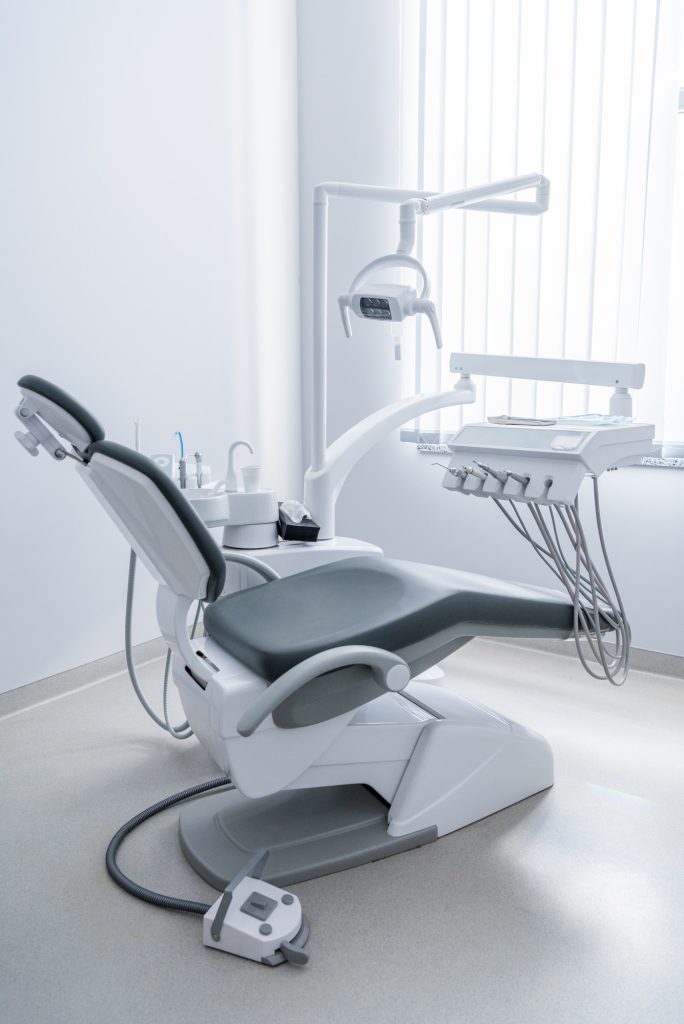
Dental emergencies can include significant tooth pain, dental trauma, uncontrolled bleeding, facial swelling or a knocked-out adult tooth. The urgency depends on the symptoms and type of dental problem.
Knowing which symptoms may require urgent dental or medical assessment can help patients respond appropriately when an unexpected dental problem occurs.
What is a Dental Emergency?
A dental emergency is a dental problem that requires urgent assessment because of symptoms such as severe pain, significant swelling, uncontrolled bleeding, dental trauma or another concerning clinical finding.
Some common dental emergencies include:
Persistent Bleeding
Bleeding that is significant or cannot be controlled with firm pressure requires urgent assessment. Apply clean gauze and gentle, continuous pressure while arranging appropriate care.
Oral bleeding can have several causes, including trauma, recent dental treatment or problems involving the gums or surrounding tissues. Management depends on the source and severity of the bleeding.
Severe Swelling
Significant swelling of the face, jaw or neck can occur with dental infection or trauma and requires prompt assessment.
Seek urgent medical assessment if swelling is rapidly increasing or is associated with difficulty breathing, significant difficulty swallowing, severe systemic illness or swelling extending into the neck.
Where swelling follows dental trauma, a cold compress wrapped in cloth may be applied externally for short periods while assessment is arranged.
Broken or Fractured Teeth
A broken or fractured tooth may cause pain, sensitivity, sharp edges or changes during biting. The urgency of assessment depends on the extent of the fracture and symptoms.
Management depends on the fracture pattern, remaining tooth structure and condition of the dental pulp. Options may include monitoring, bonding, a filling, crown, root canal treatment, extraction or another approach where clinically appropriate.
Avulsed Teeth
A knocked-out permanent tooth requires prompt dental assessment. Earlier management may improve the possibility of replantation, but the outcome depends on several factors. If an adult permanent tooth has been knocked out, handle it by the crown rather than the root. Where appropriate and the person is conscious and able to cooperate, the tooth may be gently repositioned into the socket while urgent dental care is arranged.
If the permanent tooth cannot be repositioned, keep it moist while urgent dental care is arranged. Milk may be used as a temporary storage medium. If the tooth is visibly dirty, it may be gently rinsed briefly without scrubbing or touching the root.
Damaged Restorations
A loose, broken or lost restoration should be assessed if it is causing pain, sensitivity, sharp edges or difficulty using the tooth. Depending on the condition of the tooth and restoration, management may involve repair, replacement or another approach.
How Dental Emergencies May Be Managed
The treatment provided for a dental emergency depends on the diagnosis, symptoms and condition of the affected tooth or surrounding tissues. Possible approaches may include:
Dental Bonding
Dental bonding may be considered for selected minor chips or fractures where enough tooth structure remains for a direct composite restoration.
Dental Fillings
A dental filling may be considered where decay or a limited fracture can be managed with a direct restoration. The technique and materials used depend on the tooth and clinical findings.
Dental Crowns
A dental crown may be considered where the fracture pattern and remaining tooth structure are suitable for a full-coverage restoration. Preparation requirements, fabrication method and the need for a temporary restoration vary according to the individual case.
Root Canal Therapy
Root canal treatment may be considered where the dental pulp is irreversibly inflamed or infected and the tooth is otherwise suitable for treatment.
Root canal treatment involves cleaning, shaping and sealing the root canal system. Further restorative treatment depends on the amount and condition of the remaining tooth structure.
Temporary Measures While Waiting for Dental Assessment
Some temporary measures may be appropriate while urgent dental assessment is being arranged. These measures do not treat the underlying cause.
- If food is trapped between teeth, gentle cleaning may be appropriate if it can be done without causing additional pain or disturbing the affected tooth.
- Over-the-counter pain relief may be appropriate for some people. Follow the product instructions and ask a pharmacist, doctor or dentist if you are unsure whether a medicine is suitable for you.
- After dental trauma, a cold compress wrapped in cloth may be applied externally for short periods. A gentle warm salt-water rinse may also be used by some adults to help keep the mouth clean.
- Some pharmacy temporary dental materials may be appropriate after a lost filling or crown. Follow the product instructions and arrange dental assessment where needed.
- For minor oral bleeding, apply gentle, continuous pressure with clean gauze. Seek urgent care if bleeding is significant or cannot be controlled.
Arrange an Emergency Dental Assessment
Radiant Smiles Dental Bundoora provides assessment for urgent dental concerns including significant tooth pain, dental trauma, swelling, broken teeth and damaged restorations.
If you have an urgent dental concern, contact Radiant Smiles Dental Bundoora to arrange an assessment.