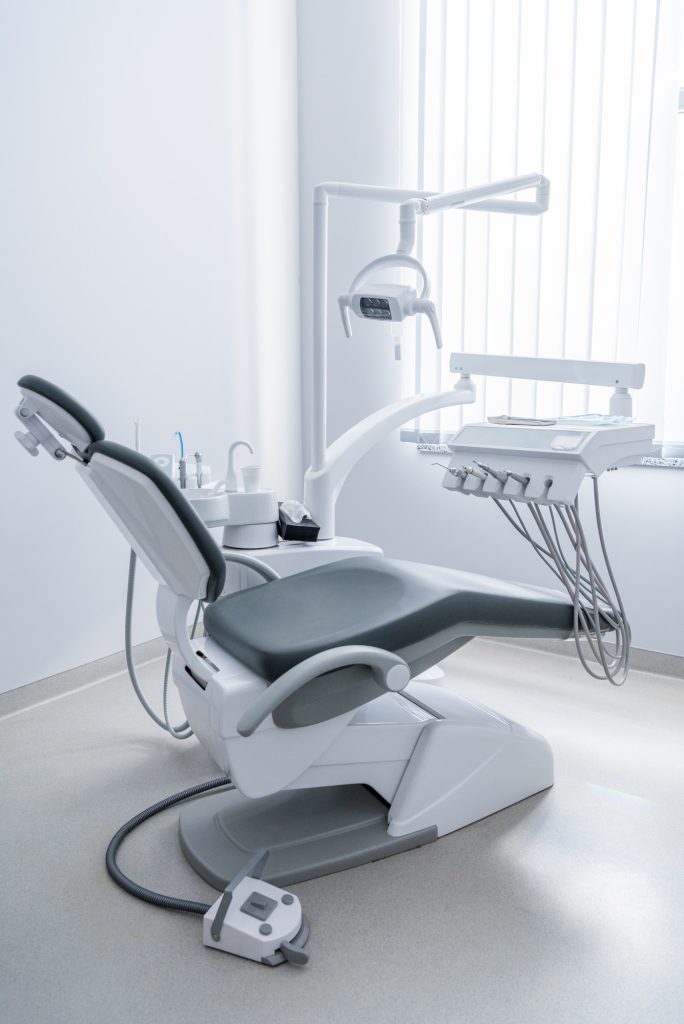
Tooth infections often feel worse at night due to increased blood flow when lying down, inflammatory pressure inside the tooth, and fewer distractions that heighten pain awareness. This guide explains the practical reasons behind night time dental pain and outlines safe, short term steps to manage discomfort until you can see an emergency dentist.
Tooth pain that becomes unbearable late at night is one of the most common reasons people seek urgent dental care. Many patients report that discomfort feels manageable during the day but intensifies once they lie down to sleep. This pattern is not imagined. There are practical physiological and sensory reasons why tooth infections and deep dental pain often feel worse at night.
At Radiant Smiles Dental Bundoora, we regularly see patients who have tried to push through night time pain, only to find it becomes more intense and harder to ignore. Understanding why this happens can help you recognise when pain may signal something more serious and what may safely help until you can be assessed.
The Role of Blood Flow and Body Position
One of the biggest reasons dental pain can spike at night is body position. When you lie flat, blood flow to the head increases. If a tooth is inflamed or infected, that extra pressure can intensify discomfort.
Inside each tooth is a small chamber containing nerves and blood vessels. When infection develops, swelling occurs within this confined space. Unlike other areas of the body, the tooth cannot expand to relieve pressure. Increased blood flow when lying down can add to that internal pressure, which is why many people describe throbbing pain that feels worse as soon as they get into bed.
If you are unsure whether your symptoms are urgent, it can help to read the warning signs described in 7 warning signs of a dental infection and compare them with what you are experiencing.
Inflammation and Pressure Build Up Inside the Tooth
Tooth infections are often linked to inflammation in the pulp, the living tissue inside the tooth. Inflammation increases pressure, and pressure irritates nerves. This is one reason pain from a deep cavity, crack, or infection can feel sharp, radiating, or relentless at night.
If the infection progresses, it may also lead to an abscess, where pressure can build in surrounding tissues. In those cases, symptoms can shift from a dull ache to a persistent throbbing pain, sometimes with swelling or a bad taste.
For a deeper explainer on the infection process, see root canal infection and the common signs covered in signs you may need a root canal.
Reduced Distractions Make Pain Feel Louder
Pain perception is influenced by attention. During the day, your brain is processing many inputs, conversations, tasks, and movement. At night, when the environment becomes quiet, pain signals stand out.
This is why tooth pain can feel worse late at night even if the underlying issue has not suddenly changed. It is also why anxiety tends to rise at night when you cannot sleep. Stress can increase muscle tension in the jaw and make pain harder to cope with.
Dry Mouth at Night Can Make Symptoms More Irritating
Saliva helps buffer acids, wash away bacteria, and soothe tissues. At night, saliva production naturally decreases. A dry mouth environment can make inflamed gum tissue feel more irritated, and it can allow bacteria to be more active, especially if you are breathing through your mouth while sleeping.
While dry mouth does not cause an infection on its own, it can make discomfort feel worse and can contribute to a harsher overnight experience.
Why Pain Relief Sometimes Feels Less Effective Overnight
Many people find that over the counter pain relief seems to wear off faster at night. This can happen because the pain is already amplified by lying down and by increased awareness in a quiet environment. It can also happen when dosing schedules do not align with the time your symptoms peak.
It is important to know that pain relief does not treat the cause of infection. If pain keeps waking you up or spikes every night, it is a sign you may need assessment and treatment rather than repeated self management.
If you are dealing with sudden severe pain and want practical steps you can take safely, our guide on emergency toothache relief may also be helpful.
What May Help Safely Until You Are Seen
These measures may reduce discomfort short term. They do not remove infection, and they are not a substitute for dental care.
Keep your head elevated
Try sleeping with your head elevated using extra pillows. This may reduce blood pressure in the head and lessen throbbing sensations.
Use a cold compress externally
A cold pack on the outside of your cheek near the painful area may help reduce inflammation and numb pain temporarily. Use short intervals and avoid applying ice directly to the skin.
Avoid chewing on the affected side
Chewing can increase pressure inside a painful tooth and aggravate symptoms. Soft foods and avoiding the sore side can reduce irritation.
Avoid heat on the area
Heat can increase blood flow and may worsen swelling where infection is present. If you suspect infection, avoid warm compresses.
Do not place medication directly on the gums or tooth
Placing tablets against the gums can irritate or burn soft tissues. If you use over the counter medication, follow the label directions and seek advice from a qualified healthcare professional if you are unsure.
When Night Time Pain May Be an Emergency
Night time pain can be a warning sign, especially if it is accompanied by swelling, fever, a bad taste in the mouth, pus, difficulty swallowing, or facial swelling. These symptoms may indicate infection that needs prompt assessment.
If you are not sure whether your situation qualifies as urgent, this overview of what is a dental emergency can help you understand common red flags. If symptoms are severe, spreading, or affecting breathing or swallowing, seek urgent medical attention.
For dental assessment as soon as possible, you can explore emergency dentistry or book with an emergency dentist in Bundoora if you are nearby.
What an Emergency Dentist Focuses on First
When you attend an urgent appointment for infection related pain, the goal is to identify the cause and stabilise the issue safely. Depending on what is found, the first visit may focus on:
- Locating the source of infection and pain
- Reducing inflammation and pressure
- Assessing whether the tooth can be saved
- Planning definitive treatment and appropriate follow up
In many cases, definitive treatment may involve root canal treatment to remove infected tissue from inside the tooth, or extractions if the tooth cannot be saved. Your dentist will talk through options based on clinical findings and suitability.
If you are noticing warning signs beyond pain, our guide on warning signs you should see a dentist provides additional symptom context.
Why Early Assessment Matters
Night time pain is often the point where people realise a dental problem can no longer be ignored. Getting assessed earlier can reduce the chance of complications and help you move from short term relief to proper treatment.
If you would like to speak with the team or organise an urgent visit, you can use the contact us page to get in touch.
Disclaimer: The information provided in this blog is for general educational purposes only and should not be taken as medical advice. It is not a substitute for professional diagnosis, treatment, or care. Always seek the guidance of your dentist or other qualified healthcare professional with any questions you may have regarding your oral health or dental concerns.